
Reading a Skincare Label Without Getting Lost
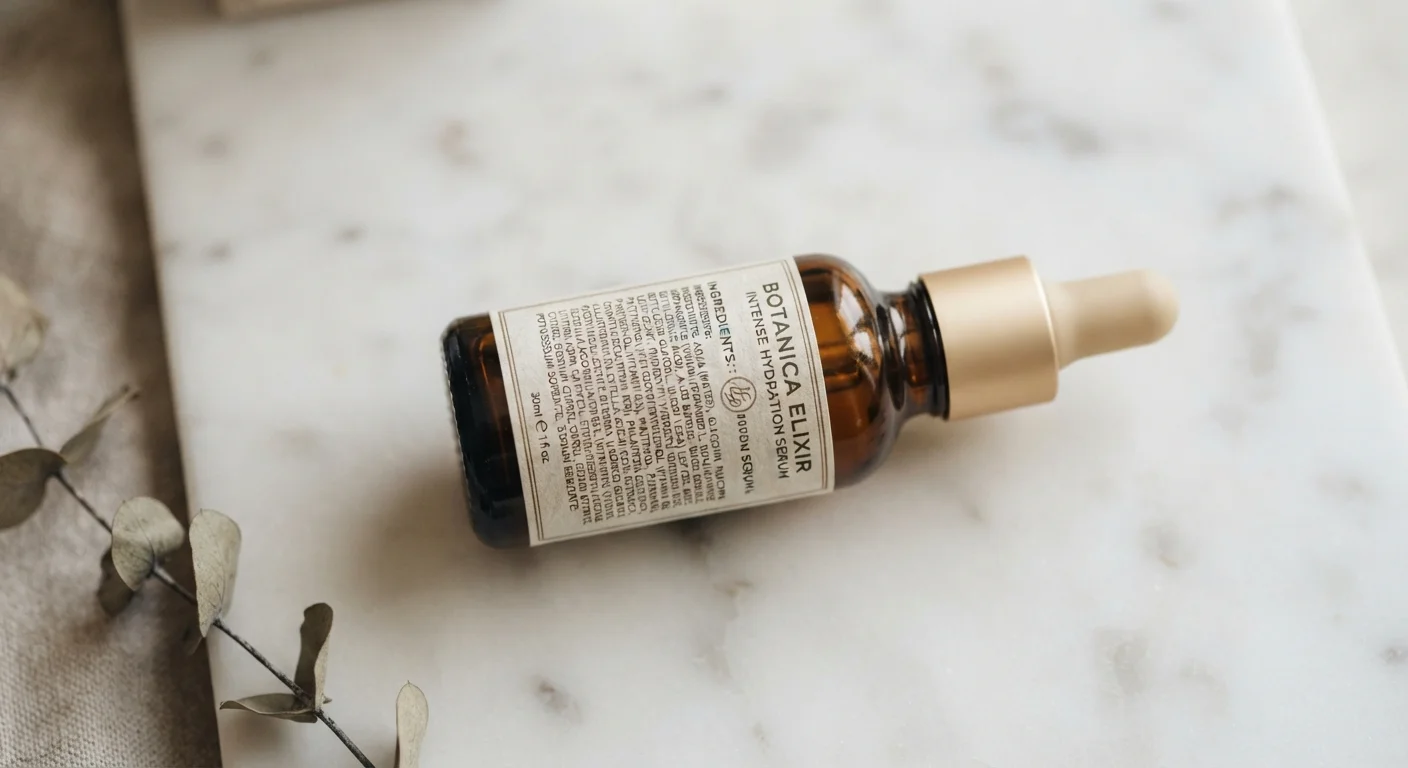
Photo credit: Infolagoon.com | Blogs To Rely On
In this article
Ingredient lists, percentages, and claims can be confusing. Here's how to decode what's actually in your skincare products.
Key Takeaways
- Ingredients are listed in descending order by concentration, so the first five matter most.
- Marketing claims on the front of a package are not regulated the same way as the ingredient list.
- Knowing a few key ingredient categories helps you evaluate any product quickly.
- Fragrance — listed as 'fragrance' or 'parfum' — is one of the most common causes of skin sensitivity.
- Preservatives and stabilizers are necessary for safety and shelf life, not a sign of low quality.
Why the Ingredient List Is the Most Honest Part of the Label
The front of a skincare product can say almost anything — "brightening," "anti-aging," "clinically proven" — because cosmetic marketing claims are largely unregulated in the U.S. The ingredient list, on the other hand, follows a real rule: in the United States, cosmetic ingredients must be listed in descending order of concentration, following INCI naming standards set by the FDA.
That means the ingredient at the very top is present in the highest amount. Water (aqua) is the first ingredient in most moisturizers for exactly this reason. Once you reach ingredients present at 1% or less, manufacturers can list them in any order — which is why you'll often see exciting actives like retinol or niacinamide tucked near the bottom. That doesn't mean they're ineffective at low percentages, but it does give you context.
If you're curious about what certain key actives do once you've found them, our deep dive on hyaluronic acid is a useful companion read.
The 1% Threshold Rule of Thumb
Cosmetic formulators generally agree that ingredients present at 1% or below can be listed in any order after the main ingredients. This means actives listed near the end of a long list may still be effective — some work at very low concentrations — but it also means their placement alone doesn't confirm a meaningful dose. Context and ingredient type both matter.
The Ingredient Categories Worth Knowing
You don't need a chemistry degree to read a label well. Learning a handful of functional categories covers the majority of what you'll encounter:
- Humectants — draw moisture into the skin (e.g., glycerin, hyaluronic acid, aloe vera)
- Emollients & occlusives — soften skin and seal in hydration (e.g., squalane, shea butter, dimethicone)
- Actives — ingredients with a targeted function, like vitamin C (ascorbic acid), retinol, or AHAs/BHAs. See our guide to chemical exfoliants for more on acids specifically.
- Emulsifiers & stabilizers — keep oil and water blended; essential but not glamorous
- Preservatives — prevent microbial growth (e.g., phenoxyethanol, sodium benzoate); necessary for safety
- Fragrance — listed as "fragrance" or "parfum," this is a catch-all term that can include dozens of undisclosed compounds and is a frequent trigger for skin sensitivity
Understanding where your product's energy is really going — actives and humectants early in the list, or mostly stabilizers and fragrance — helps you set realistic expectations before you buy or use it.
Always read the first five ingredients before evaluating the rest of the list
The first five ingredients typically make up the bulk of a product's formula. Understanding what they are tells you whether the product is primarily a moisturizer, a water-based serum, or an oil-heavy treatment — before any marketing language shapes your perception.
Look up unfamiliar INCI names using a reputable ingredient database
INCI names are standardized scientific or Latin names that can look intimidating but are simply consistent identifiers. A reliable reference tool helps you quickly learn whether an unfamiliar term is a common emollient, a fragrance compound, or an active ingredient.
Note fragrance and essential oil entries and consider your own skin sensitivity
Fragrance is one of the most frequently cited causes of contact dermatitis and skin irritation in cosmetics. Being aware of where it appears — and how high on the list — helps you make more informed choices for reactive or sensitive skin.
Treat percentage claims with appropriate skepticism unless verified
Front-label claims like "10% niacinamide" may be accurate, but they are marketing statements rather than regulated facts. The ingredient list confirms presence but not always exact concentration.
Cross-check active ingredients against your full routine to avoid over-layering
Using multiple products containing the same active — particularly strong acids or retinoids — can cause irritation without delivering proportionally better results. Seeing all your actives listed in one place makes it easier to spot unintentional overlap.
Decoding Claims, Certifications, and Red Flags
Terms like "natural," "clean," "non-toxic," and "dermatologist-tested" have no standardized legal definitions in the U.S. cosmetics market. They reflect marketing positioning, not regulatory status. That doesn't make them meaningless, but it does mean they require a second look at the actual ingredient list.
A few certifications do carry more weight — USDA Organic certification has regulated criteria, and third-party fragrance-free or allergen-free certifications from recognized organizations are worth noting. But even "fragrance-free" can be tricky: some products labeled as such still contain masking fragrances.
One genuine red flag: a very long ingredient list dominated by fragrance compounds (often ending in "-ol," "-al," or listed by specific essential oil names like limonene or linalool) in a product marketed as "sensitive skin" friendly. Cross-reference with SPF ingredient facts if sunscreen actives are part of what you're evaluating.
Putting It Into Practice
Reading labels gets faster with repetition. A practical approach: flip to the ingredient list before reading the front claims. Check the first five ingredients to understand the product's base. Scan for your target actives and note where they fall. Look for fragrance or potential irritants relevant to your skin.
If you're building or refining a full routine, knowing what each product actually contains helps you avoid accidentally doubling up on strong actives — something our skincare layering guide addresses in detail. And if retinol is on your radar, our first-timer's walkthrough explains exactly what to expect from the ingredient once you've found it on a label.
Label literacy across product categories follows a similar logic — you can apply the same "list order = concentration" principle when reading a hair care label too.
This article is for general informational purposes only. It does not constitute medical or dermatological advice. If you have a skin condition or concerns about ingredient sensitivities, consult a qualified dermatologist or healthcare professional.
Cosmetics vs. Drugs: A Key Distinction
In the U.S., a product is regulated as a cosmetic if it's intended to affect appearance, and as a drug if it claims to affect the body's structure or function. Sunscreens, acne treatments with certain actives, and anti-dandruff shampoos are classified as over-the-counter drugs, which means they carry additional FDA labeling requirements including active ingredient disclosures. This is why those products list "Active Ingredients" separately at the top of their label.

Author
Style & Beauty Editorial Team
Style & Beauty Editorial Team is the collective byline for our editorial team and contributor network. Articles published under this byline or an editorial pen name are researched, written, and reviewed according to our editorial standards for clarity, consistency, and independence before publication.
View all articles →