
Basement Waterproofing Methods and When Each One Is Appropriate
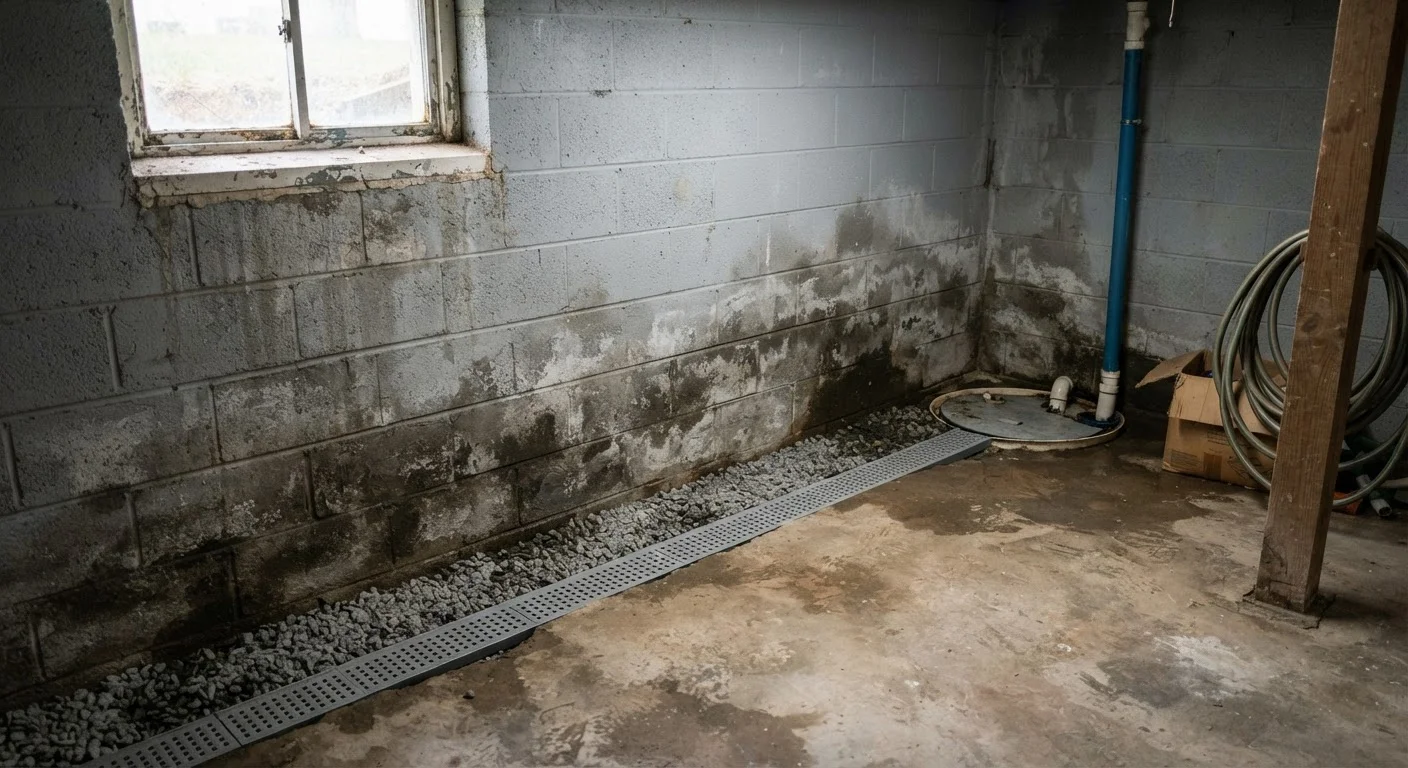
Photo credit: Infolagoon.com | Blogs To Rely On
In this article
Interior drainage, exterior excavation, or surface sealers — each waterproofing approach fits a different problem. Learn the distinctions before committing.
Key Takeaways
- Surface sealers handle minor condensation but cannot stop active water intrusion through walls or floors.
- Interior drainage systems manage water after it enters — they don't stop it at the source.
- Exterior waterproofing addresses the root cause but requires excavation and significant investment.
- Grading, gutters, and downspout extensions should be evaluated before committing to a major system.
- Some waterproofing work may require permits — always check local building codes first.
Why One Method Doesn't Fit Every Basement
Basement moisture problems share a frustrating trait: they can look identical on the surface while having completely different causes. A damp wall might reflect interior condensation, a crack letting in groundwater, or hydrostatic pressure pushing water through porous concrete. Choosing a fix before identifying the source is one of the most common — and costly — mistakes homeowners make.
Before evaluating any waterproofing method, check the basics. Overflowing or poorly directed gutters and downspouts are responsible for a significant share of basement water problems. See our guide on gutters and downspouts to rule out that source first. Similarly, a negative grade — where soil slopes toward the house rather than away — can funnel enormous amounts of runoff directly against your foundation.
You should also look carefully at any cracks before applying any treatment. Our article on foundation cracks explains what crack patterns can signal structurally, which matters before you seal anything.
The Four Main Waterproofing Approaches Compared
Each method below targets a specific type or severity of moisture problem. Understanding where they succeed — and where they fall short — helps you match the solution to the actual diagnosis.
| Surface Sealer | Crack Injection | Interior Drainage | Exterior Waterproofing | |
|---|---|---|---|---|
| Best for | Condensation, minor vapor | Isolated leaking cracks | Chronic water entry, managed | Severe hydrostatic pressure |
| Addresses root cause | No | Partially | No — manages water | Yes |
| Typical DIY feasibility | High | Moderate | Low | Very low |
| Relative cost | Low | Low to moderate | Moderate to high | High |
| Disruption level | Minimal | Minimal | Interior floor work | Full exterior excavation |
| Expected durability | 2–5 years | Many years if stable | Long with maintenance | Decades if properly applied |
Surface sealers and masonry waterproofing paint are topically applied coatings that reduce vapor transmission through concrete or block walls. They work only when moisture is coming from condensation or very light seepage, and they cannot resist meaningful hydrostatic pressure. They peel under active water entry.
Crack injection fills individual cracks with epoxy (for structural bonding) or polyurethane foam (which expands to seal active leaks). This is appropriate for isolated, non-structural cracks that are allowing seepage. It does not address the broader drainage environment around the foundation.
Interior drainage systems — typically a perimeter French drain channel cut into the floor slab, leading to a sump pump — collect water after it enters and redirect it out of the basement. This is not a waterproofing method in the strictest sense; it's water management. It is, however, appropriate when exterior access is impractical or cost-prohibitive, and it can be highly effective at keeping the space dry.
Exterior waterproofing involves excavating soil around the foundation, applying a waterproof membrane or drainage board to the exterior wall face, and often adding a footing drain. It addresses the problem at its source — before water reaches the wall — and is the most durable solution for severe or chronic hydrostatic pressure. It is also the most disruptive and expensive approach.
Matching the Method to the Problem
A systematic diagnosis should drive your choice. Here's a practical framework:
- If walls are damp only in humid months: Run a dehumidifier and test for condensation by taping plastic sheeting to the wall. If the moisture collects on the room-facing side, the problem is interior humidity — a sealer or improved ventilation may be sufficient.
- If water appears during or after rain events: Check grading and gutters first. If those are in order, the issue is likely water entering through the wall or floor slab, and you need drainage management or a membrane solution.
- If a specific crack is leaking: Crack injection is targeted and cost-effective, but only after confirming the crack is not widening or structural.
- If water entry is widespread, seasonal, or worsening: Interior drainage or exterior waterproofing — or a combination — is appropriate. A waterproofing contractor or structural engineer can assess which is warranted.
Start Outside Before Going Inside
Before scheduling any interior or exterior waterproofing work, extend downspouts at least four to six feet from the foundation and verify that soil grades away from the house. In many cases, correcting these simple drainage issues meaningfully reduces or eliminates water entry — at a fraction of the cost of a drainage system.
Keep in mind that some basement waterproofing work — particularly interior drainage installation involving saw-cutting concrete — may require a permit depending on your municipality. Our overview of permits and inspections covers what homeowners typically need to verify before starting.
Cost, Disruption, and Durability Trade-Offs
No waterproofing method is free of trade-offs. Surface sealers are the least expensive and can be applied as a DIY project, but they offer limited protection and need periodic reapplication. Crack injection is moderate in cost and skill level — some homeowners handle it themselves with kits, though professional application provides more reliable pressure and depth of fill.
Interior drainage systems require breaking up the perimeter of the concrete floor slab, installing a drain channel and sump basin, and running a discharge line to the exterior. The disruption is contained to the basement interior, but it is significant. Professionally installed systems typically carry warranties, which is worth factoring into comparisons.
Exterior waterproofing is the most involved option: landscaping is removed, soil is excavated to the footing, and work must be performed before the trench is backfilled. It can take several days and leaves landscaping in need of restoration. However, a properly applied exterior membrane can last for decades and protects the wall itself from water contact — something interior systems do not do.
Don't Seal Over an Active Structural Problem
Applying a sealer or injecting a crack that is actively widening can mask a structural issue without resolving it. If a crack has horizontal orientation, shows displacement, or keeps reopening, consult a licensed structural engineer before applying any waterproofing treatment. Covering a structural crack is not a substitute for structural repair.
For any floor that follows waterproofing work, choose moisture-tolerant materials. Our comparison of tile vs. luxury vinyl plank covers options that hold up well in below-grade spaces.

Author
Home & Living Editorial Team
Home & Living Editorial Team is the collective byline for our editorial team and contributor network. Articles published under this byline or an editorial pen name are researched, written, and reviewed according to our editorial standards for clarity, consistency, and independence before publication.
View all articles →