
Caring for Clothes So They Last: Washing, Storage, and Everyday Habits That Help
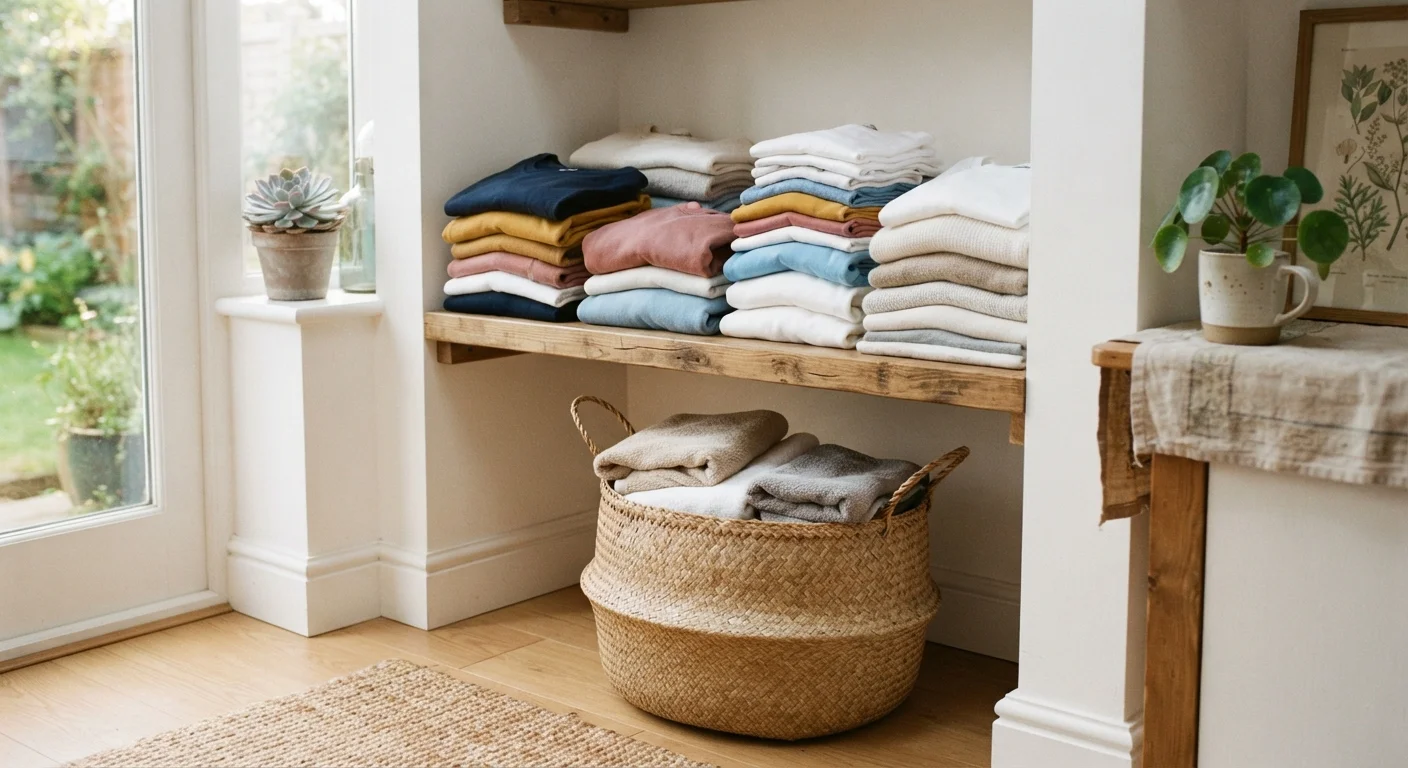
Photo credit: Infolagoon.com | Blogs To Rely On
In this article
Most clothing wears out faster than it should. Small adjustments to how you wash, dry, and store garments can meaningfully extend their life.
Key Takeaways
- Washing clothes in cold water and on gentle cycles significantly reduces fabric wear over time.
- Heat from dryers is one of the leading causes of premature fabric breakdown and shrinkage.
- Proper storage — folding knits, hanging structured pieces — prevents stretching and misshaping.
- Spot-treating stains immediately is far more effective than waiting until laundry day.
- Rotating your wardrobe evenly extends the life of individual garments by reducing overuse.
Why Clothes Wear Out Faster Than They Should
Most of us don't think much about laundry until something goes wrong — a favorite shirt fades, a sweater puffs with lint, a pair of jeans shrinks to an awkward fit. The truth is, clothing rarely fails all at once. It degrades gradually through small, repeated habits that are easy to change once you know what to look for.
Fabric fibers are more fragile than they appear. Every wash cycle, every tumble in a hot dryer, and every cramped storage situation takes a toll. The good news: you don't need expensive products or elaborate routines to keep your clothes looking great longer. You mostly need a few smarter defaults. And if you've noticed your clothes changing shape over time, this look at why clothes stop fitting covers the construction and fabric side of that story too.
~80%
Of fabric wear caused by washing and drying
Textile researchers broadly estimate the majority of garment degradation occurs during laundering rather than through wearing, underscoring how much care habits matter.
2–3x
Longer lifespan with proper garment care
Industry guidance from textile care organizations suggests well-maintained clothing can last two to three times longer than pieces subjected to harsh laundering and storage habits.
Washing: The Habits That Make the Biggest Difference
How you wash your clothes matters far more than how often you wash them. A few targeted adjustments here will do more for garment longevity than almost anything else.
Wash in cold water whenever the care label allows
Hot water accelerates dye fading, causes fibers to swell and weaken, and is a primary driver of shrinkage in natural fabrics like cotton and wool. Cold water cleans everyday clothing effectively while being far gentler on fibers and color. It also uses less energy, which is a quiet bonus.
Use the gentle or delicate cycle for most everyday clothing
The regular or heavy-duty cycle creates more mechanical agitation — the physical tumbling that rubs fibers together and causes pilling and micro-tears. Most clothing, especially knits and anything with stretch, doesn't need that level of agitation to come clean.
Turn dark and printed garments inside out before washing
Friction during washing happens on the outer surface of the fabric. Turning items inside out redirects that friction to the interior, protecting printed graphics and dye on the outside from direct abrasion. It takes five seconds per item and makes a visible difference over time.
Air-dry knits, delicates, and anything labeled 'lay flat to dry'
Dryer heat degrades elastic fibers, shrinks natural fabrics, and causes wool and cotton to felt or pill more quickly. Hanging wet knits can stretch them out of shape; laying them flat preserves structure without heat damage.
Spot-treat stains immediately rather than waiting for laundry day
Most stains — coffee, oil, wine — bond more deeply with fabric fibers the longer they sit. Early spot treatment, even just cold water and gentle blotting, gives you a much better chance of full removal without needing harsh chemicals that can weaken fabric over time.
Drying, Storage, and Everyday Habits
Getting the wash right is only half the equation. What happens after — how you dry, fold, hang, and store your clothes — shapes how long they hold up just as much.
For seasonal gear you're putting away for months, thoughtful storage is especially important. Seasonal wardrobe transitions are a great opportunity to assess what needs repair or refreshing before it goes into storage. And once you're ready to organize what you have, closet organization methods that make everything visible can make a real difference in how often forgotten pieces get worn — and therefore, how evenly your wardrobe wears.
Hang Structured Pieces, Fold Everything Else
Structured items — blazers, dress shirts, trousers with a crease — hold their shape best on hangers because the structure is built into the garment. Knits, T-shirts, and stretchy fabrics do the opposite: gravity pulls them out of shape when hung. A simple rule of thumb is that if the garment has padding, lining, or a rigid collar, hang it; if it stretches, fold it. This one storage habit prevents a surprising amount of distortion over time.
Just as consistent upkeep extends the life of other everyday investments — think of how caring for wood floors relies on the same principle of steady small habits — your wardrobe rewards regular attention over occasional overhauls.
This article is for general informational purposes only. Care instructions vary by fabric and garment; always check the manufacturer's label before washing or storing any item.

Author
Style & Beauty Editorial Team
Style & Beauty Editorial Team is the collective byline for our editorial team and contributor network. Articles published under this byline or an editorial pen name are researched, written, and reviewed according to our editorial standards for clarity, consistency, and independence before publication.
View all articles →