
Chemical Exfoliants vs. Physical Scrubs
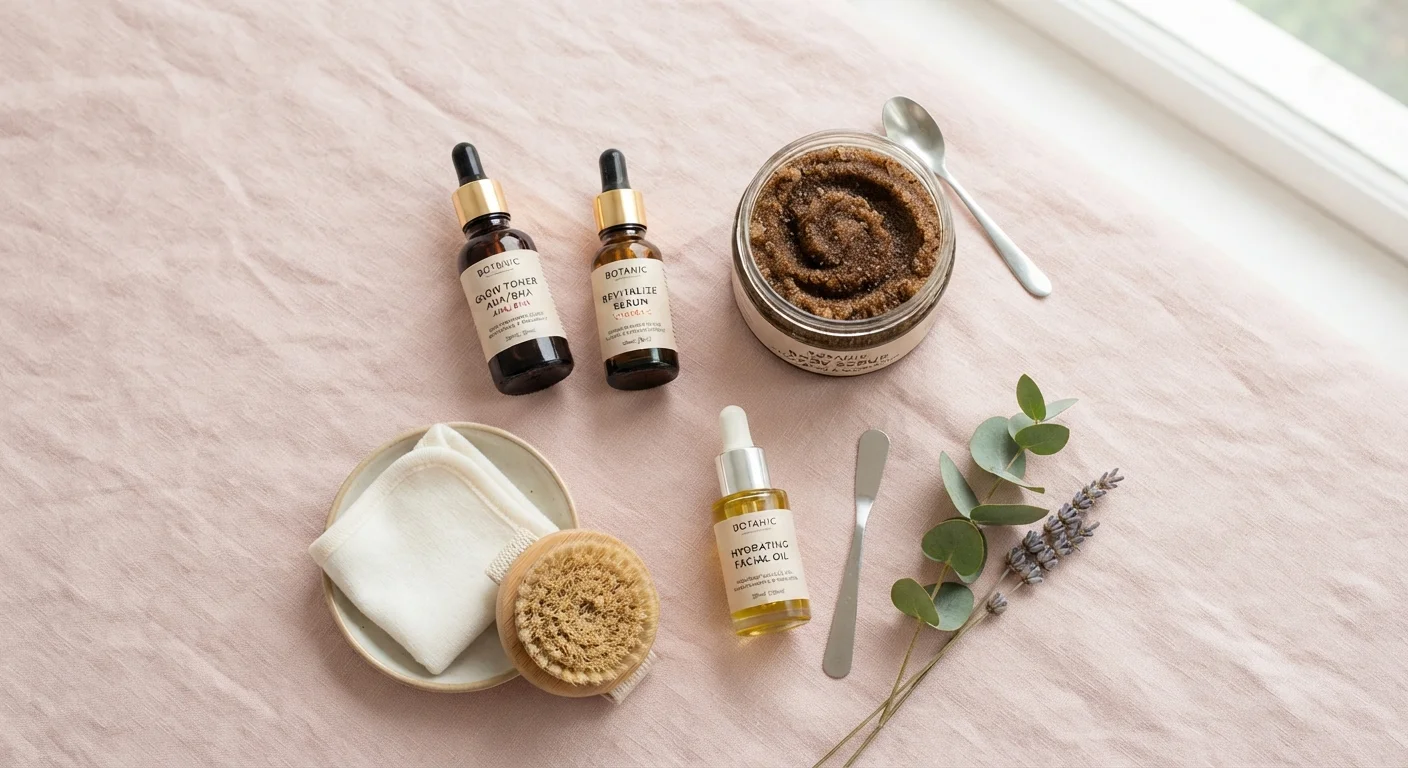
Photo credit: Infolagoon.com | Blogs To Rely On
In this article
AHAs and BHAs or a gritty scrub? Understand how each method works and which suits different skin types and concerns.
Key Takeaways
- Chemical exfoliants use acids or enzymes to dissolve dead skin cells without any scrubbing motion.
- Physical scrubs manually buff away dead cells using gritty particles, offering instant smoothing.
- Sensitive and acne-prone skin generally tolerates chemical exfoliation better than physical scrubs.
- Over-exfoliation — from either method — can compromise the skin's moisture barrier.
- Some people use both methods in rotation, but timing and frequency matter for skin safety.
- Knowing your skin type is the foundation for choosing the right exfoliation approach.
What Exfoliation Actually Does
Exfoliation is the process of removing dead skin cells that accumulate on the outermost layer of skin — a layer called the stratum corneum. When these cells pile up unevenly, skin can look dull, feel rough, or develop clogged pores. Exfoliating regularly helps clear that buildup, which is why it's a staple of most skin-smoothing routines.
The key question isn't whether to exfoliate — it's how. Before diving into which method might suit you, it helps to understand your own skin. Our guide on identifying your skin type is a great starting point if you're not sure where you land.
Two broad categories dominate the exfoliation conversation: chemical exfoliants, which use acids or enzymes to loosen dead cells, and physical scrubs, which use textured particles to buff them away manually. Both work — but they work differently, and the difference matters for skin health.
How Chemical Exfoliants Work
Chemical exfoliants rely on active ingredients — most commonly alpha-hydroxy acids (AHAs), beta-hydroxy acids (BHAs), or enzymes — to break down the bonds that hold dead skin cells together. No scrubbing required. You apply, wait the recommended time, and rinse (or leave on, depending on the product format).
AHAs like glycolic acid and lactic acid are water-soluble and work primarily on the skin's surface, making them well-suited for targeting dullness, uneven texture, and surface pigmentation. BHAs, most famously salicylic acid, are oil-soluble and can penetrate inside pores — which is why they're widely used for oily and acne-prone skin. A newer category, PHAs (polyhydroxy acids), works similarly to AHAs but with larger molecules that penetrate more slowly, making them gentler for reactive skin types.
Because there's no physical friction involved, chemical exfoliants are generally considered less likely to cause micro-tears or surface irritation — though they can still cause sensitivity, particularly at higher concentrations. Starting with a low percentage and working up gradually is standard advice from dermatologists.
Where Exfoliants Fit in Your Routine
Chemical exfoliants are typically applied after cleansing and before serums or moisturizers. Some are leave-on treatments; others are rinse-off. The format affects how and when you apply them. If you're unsure about sequencing, the layering logic explained in a dedicated guide can prevent you from accidentally neutralizing their effectiveness by applying products in the wrong order.
If you're curious about how chemical exfoliants layer with the rest of your routine, our skincare layering guide explains exactly where acids fit in the sequence — and why the order matters.
How Physical Scrubs Work
Physical scrubs use abrasive particles — sugar, salt, ground seeds, microbeads (now largely phased out due to environmental concerns), or synthetic grains — to manually slough off dead skin cells through friction. The result is immediate: skin feels noticeably smoother right after rinsing.
The appeal is straightforward. There's no chemistry to learn, no wait time, and the tactile sensation of scrubbing can feel satisfying. For people with normal to oily skin who tolerate friction well, a once- or twice-weekly scrub can fit neatly into a shower routine without any fuss.
The downsides? Scrubs can be too aggressive for already-inflamed or sensitized skin. Coarser particles can cause micro-abrasions, and over-enthusiastic scrubbing is a common cause of a compromised skin barrier. Acne-prone skin warrants particular caution — physical scrubbing over active breakouts can worsen irritation and spread bacteria across the skin's surface.
| Criterion | Chemical Exfoliants | Physical Scrubs |
|---|---|---|
| How it works | Acids or enzymes dissolve dead cell bonds | Abrasive particles manually buff cells away |
| Skin feel after use | Gradual improvement over days | Immediately smoother after rinsing |
| Sensitive skin suitability | Generally better tolerated (low % PHAs/AHAs) | Friction can trigger irritation or redness |
| Acne-prone skin | BHAs penetrate pores; well-suited | Scrubbing over breakouts can worsen them |
| Learning curve | Moderate — concentration and timing matter | Low — apply, massage, rinse |
| Risk of over-exfoliation | Present, especially at higher strengths | Present if used too frequently or aggressively |
| Targets pigmentation/dullness | Yes — particularly AHAs over time | Surface-level only; limited long-term effect |
Frequency, Combinations, and What to Watch For
Either method, used too often, can strip the skin's natural moisture barrier — the protective layer that keeps hydration in and irritants out. Signs of over-exfoliation include persistent redness, tightness, flaking, or a sudden increase in sensitivity. If any of those appear, it's worth scaling back frequency and giving your skin time to recover.
For most skin types, exfoliating two to three times per week is a reasonable starting point — though frequency should be adjusted based on how your skin responds, not a fixed rule. Some people do fine with more; others need less.
Some routines combine both methods, using a chemical exfoliant on weekdays and a gentle physical scrub on weekends. This can work, but it requires careful attention to how the skin is responding. Mixing them on the same day or same session is generally unnecessary and risks over-exfoliation. For ingredient pairing guidance more broadly, see our article on ingredients that don't mix well.
~28 days
Approximate skin cell turnover cycle
Dermatologists generally describe the skin's natural cell renewal process as taking roughly four weeks, though this slows with age.
2–3×
Suggested weekly exfoliation frequency
Most dermatology guidelines suggest exfoliating no more than two to three times weekly as a general starting point for most skin types.
Oil-soluble
Key property of BHA (salicylic acid)
Salicylic acid's oil solubility is what allows it to penetrate sebum-filled pores — a property that AHAs, being water-soluble, do not share.
This content is for general informational purposes only and is not a substitute for professional dermatological advice. If you experience persistent irritation or skin concerns, consult a licensed dermatologist.

Author
Style & Beauty Editorial Team
Style & Beauty Editorial Team is the collective byline for our editorial team and contributor network. Articles published under this byline or an editorial pen name are researched, written, and reviewed according to our editorial standards for clarity, consistency, and independence before publication.
View all articles →