
Retinol: A Complete Walkthrough for First-Time Users
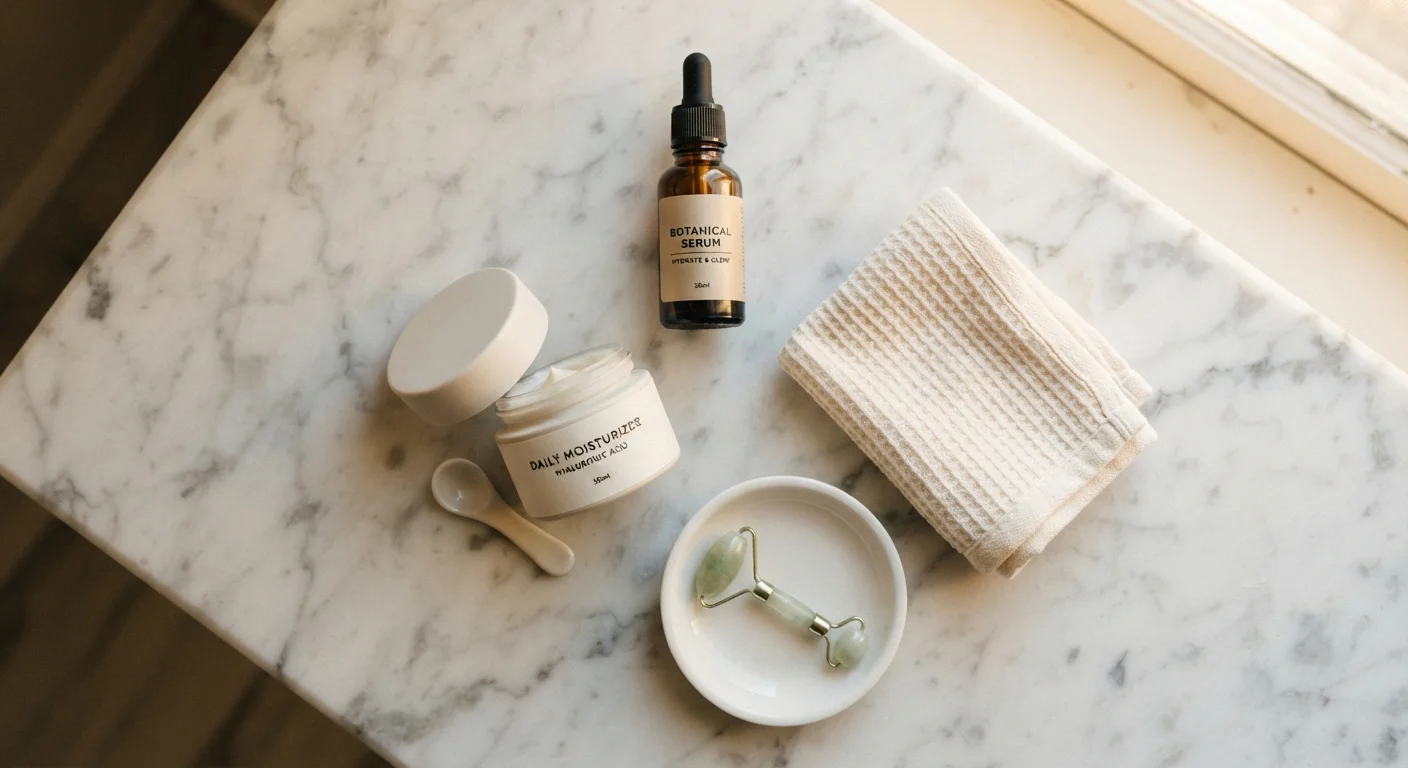
Photo credit: Infolagoon.com | Blogs To Rely On
In this article
What retinol actually does, why your skin might react at first, and how to introduce it gradually without irritation.
Key Takeaways
- Retinol speeds up skin cell turnover, which is why early irritation is common and expected.
- Starting with a low concentration and using it only a few nights per week dramatically reduces side effects.
- Sunscreen during the day is non-negotiable when using retinol — it increases UV sensitivity.
- Most people see meaningful improvements in texture and tone after 8 to 12 weeks of consistent use.
- Certain ingredients like benzoyl peroxide and strong acids should not be layered with retinol on the same night.
What Retinol Actually Does to Your Skin
Retinol is a derivative of vitamin A, and it belongs to a broader family of compounds called retinoids. When applied to skin, it converts into retinoic acid — the form your skin cells can actually use. That conversion process is what makes over-the-counter retinol gentler than prescription-strength retinoids, but it's also why results take a bit longer.
At a cellular level, retinol accelerates skin cell turnover, meaning old cells shed faster and newer ones rise to the surface more quickly. It also encourages collagen production and helps normalize the way pores shed dead cells, which can reduce clogging over time. These combined effects are why retinol is widely associated with improvements in fine lines, uneven texture, and persistent breakouts.
It's worth knowing that retinol isn't a new ingredient — dermatologists have studied it for decades, and the science supporting its effectiveness is extensive compared to many trending skincare ingredients. If you want to understand what's actually listed on a product label, decoding skincare ingredient lists can help you parse the terminology.
40+ years
Retinoids studied in dermatology
Topical retinoids have been researched and used in clinical dermatology since the 1970s, giving them one of the longest evidence trails of any skincare ingredient.
8–12 weeks
Typical timeframe for visible results
Dermatologists generally note that consistent retinol use over two to three months is when most users observe meaningful changes in skin texture and tone.
0.025%–0.1%
Common OTC retinol concentration range
Over-the-counter retinol products typically fall within this range, with lower concentrations recommended for first-time users to minimize irritation.
Understanding the Adjustment Period
Here's the part that surprises most first-timers: retinol can make your skin look and feel worse before it gets better. Dryness, flaking, and mild redness in the first few weeks are so common that dermatologists have a nickname for it — retinization. It's not a sign that retinol is wrong for you. It's a sign that your skin is adapting.
The accelerated cell turnover disrupts your skin barrier temporarily, which is why sensitivity spikes early on. For many people this settles down after four to six weeks as the skin adjusts. The key is not abandoning ship during that window.
Retinol Is Not Recommended During Pregnancy
Vitamin A derivatives, including retinol, are generally advised against during pregnancy due to potential risks. If you are pregnant, trying to conceive, or breastfeeding, speak with your healthcare provider before using any retinoid product. This is one area where a professional consultation is genuinely important rather than optional.
If you experience severe burning, peeling that doesn't resolve, or persistent swelling, those are signals to scale back use or consult a dermatologist. Mild flakiness is normal; significant distress is not.
How to Introduce Retinol Gradually
The slowest approach is almost always the most successful one. Starting with a lower concentration — generally 0.025% to 0.05% — and applying it just two or three nights per week gives your skin time to acclimate without overwhelming it.
The sandwich method is a practical technique: apply your regular moisturizer first, then the retinol on top, then another layer of moisturizer. This buffers direct contact with the skin and reduces irritation without eliminating the ingredient's effectiveness.
Apply retinol to completely dry skin — waiting 10 to 20 minutes after cleansing reduces the likelihood of irritation, since damp skin can drive actives deeper and amplify sensitivity.
Moisture on the skin surface can increase penetration rate, which sounds beneficial but often means faster irritation for beginners before their skin has adjusted.
If you miss a night, just pick up where you left off. Doubling up to compensate only increases irritation without accelerating results.
Retinol works cumulatively over weeks and months, not night to night — consistency matters far more than any single application.
After four to six weeks of comfortable use at that frequency, you can increase to every other night, then eventually nightly if your skin tolerates it well. There's no prize for moving faster — consistency over time matters far more than concentration or frequency.
Because retinol is best applied at night (more on sun sensitivity below), it fits naturally into an evening routine. For guidance on where retinol sits relative to your other products, skincare layering order lays out the logic clearly.
What to Use With It — and What to Avoid
Retinol pairs well with hydrating, barrier-supporting ingredients: hyaluronic acid, ceramides, and gentle peptides all complement it without friction. A plain, fragrance-free moisturizer used alongside retinol can make the adjustment period significantly more manageable.
Sunscreen during the day isn't optional — it's essential. Retinol makes skin more sensitive to UV radiation, and skipping SPF undermines much of what the ingredient is working to achieve. Think of daily SPF as the other half of your retinol routine.
Some combinations are genuinely worth avoiding on the same night. Strong exfoliating acids (like glycolic or salicylic acid), vitamin C in certain formulations, and benzoyl peroxide can all interact poorly with retinol, either reducing its effectiveness or amplifying irritation. ingredient combinations to avoid covers this in more detail if you're building out a fuller routine.
Alternate Actives on Different Nights
If you use exfoliating acids or vitamin C, try reserving those for alternate evenings rather than the same night as retinol. This lets each ingredient do its job without competing or stacking irritation. A simple rhythm — retinol Monday, Wednesday, Friday; acids Tuesday, Thursday — is an easy way to stay organized.
When to Expect Results
Managing expectations honestly is part of a good retinol experience. Cell turnover takes time, and the structural changes retinol supports — collagen remodeling, pore refinement — are gradual processes. Most people notice improved texture and a more even tone around the eight-to-twelve-week mark, with more visible changes in fine lines taking longer.
Consistency is what moves the needle. Using retinol sporadically — a few nights here, a long gap, then a restart — resets the adjustment process without building meaningful results. Treating it like a long-term habit rather than a quick fix is the right frame.
If you're starting from scratch and building retinol into a broader routine, a beginner skincare checklist can help you map out where it fits alongside your other essentials.
This article is for general informational and educational purposes only. It is not a substitute for professional dermatological advice. If you have a skin condition or experience significant reactions, consult a licensed dermatologist or healthcare provider.

Author
Style & Beauty Editorial Team
Style & Beauty Editorial Team is the collective byline for our editorial team and contributor network. Articles published under this byline or an editorial pen name are researched, written, and reviewed according to our editorial standards for clarity, consistency, and independence before publication.
View all articles →