
Brake Maintenance Basics: How Pads, Rotors, and Fluid Work Together
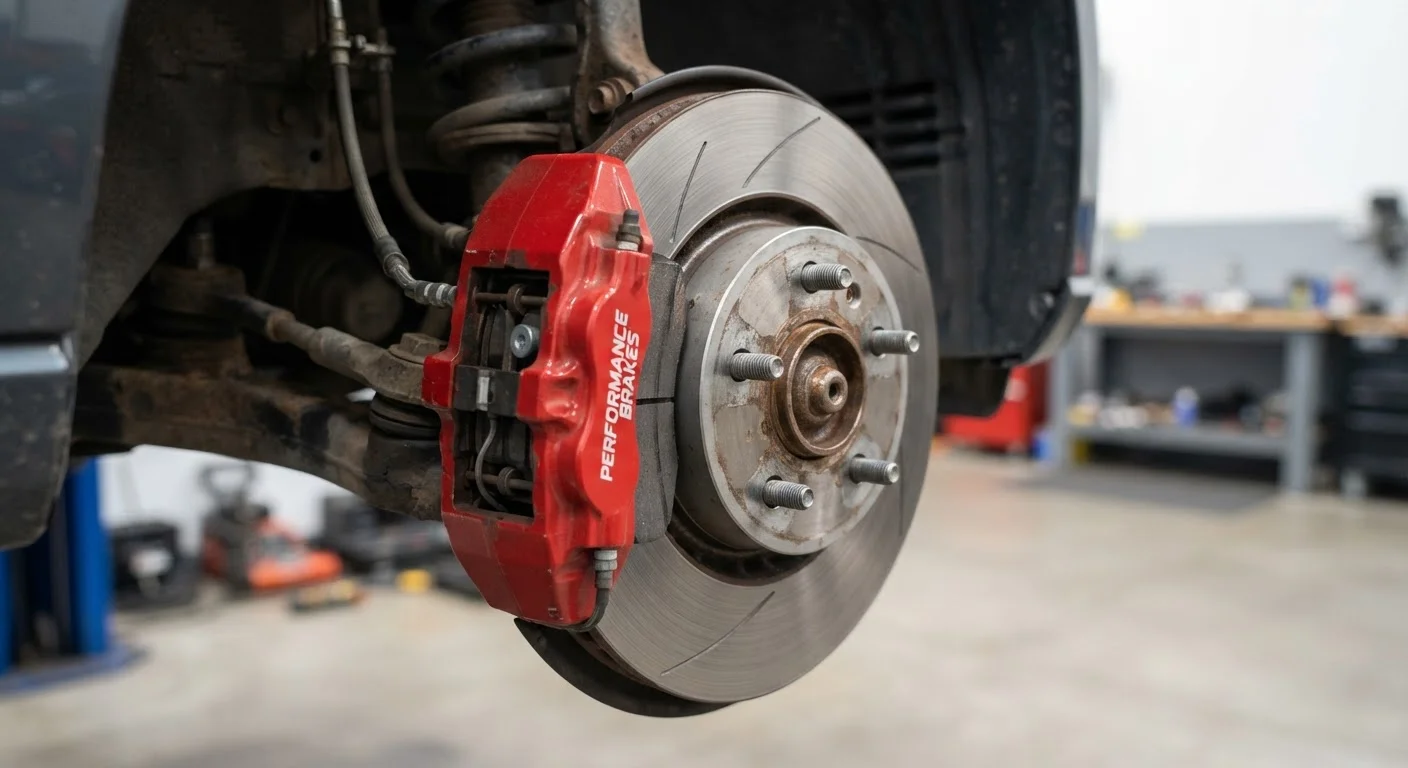
Photo credit: Infolagoon.com | Blogs To Rely On
In this article
Your braking system is more than just pads. Learn how the key components interact and what early wear signs actually sound and feel like.
Key Takeaways
- Brake pads, rotors, and fluid are interdependent - neglecting one affects all three.
- Squealing, grinding, or a soft pedal are warning signs that demand prompt attention.
- Brake fluid absorbs moisture over time, reducing its boiling point and braking effectiveness.
- Rotor damage from worn pads costs significantly more to fix than a simple pad replacement.
- Most vehicles need brake fluid flushed every two to three years, regardless of mileage.
How the Three Main Components Work Together
When you press the brake pedal, you're not directly squeezing anything mechanical. Instead, you're pressurizing brake fluid inside a closed hydraulic system. That pressure travels through brake lines to the calipers at each wheel, which clamp the brake pads against the spinning rotors. The friction created slows the wheel - and the car.
Think of it as a chain: the fluid transmits force, the pads apply friction, and the rotors absorb the resulting heat. Remove any link and the chain fails. Worn pads reduce friction. Degraded fluid loses hydraulic pressure. Scored rotors create uneven contact. Each problem compounds the others.
Disc Brakes vs. Drum Brakes
While disc brakes are standard on most modern vehicles, some models still use drum brakes at the rear axle. Drum brakes use brake shoes that press outward against the inside of a drum rather than pads clamping a rotor. The maintenance principles - friction material wear, fluid condition, and hardware inspection - are similar, but the specific service procedures differ. If you're unsure which type your vehicle has, your owner's manual will confirm it.
This is why brake inspections look at all three components together, not in isolation. A mechanic who only checks pad thickness without examining rotor condition or fluid quality is missing part of the picture. See our guide to fluid checks every driver should know for more on how brake fluid fits into your overall maintenance routine.
Brake Pads: What Wear Actually Looks and Sounds Like
Brake pads are made of friction material bonded to a metal backing plate. As the material wears down, it gets thinner - and eventually the backing plate contacts the rotor directly, causing the grinding sound many drivers recognize as a serious warning.
Most modern pads include a small metal tab called a wear indicator. When the pad thins to a minimum safe thickness, this tab drags against the rotor and produces the familiar high-pitched squeal. That squeal is intentional: it's a built-in early warning system.
Check Brakes With Every Tire Rotation
A tire rotation - typically every 5,000 to 7,500 miles - gives a mechanic direct visual access to your brake components with the wheels removed. It's a natural checkpoint for assessing pad thickness and rotor condition without extra disassembly. Building this habit means brake wear rarely goes unnoticed. See our tire rotation field guide for more on rotation intervals.
Pad life varies widely based on driving style, vehicle weight, and traffic conditions. City driving with frequent stops wears pads faster than highway driving. A rough estimate for many passenger vehicles is 30,000-70,000 miles, but consult your owner's manual and have pads inspected during routine service - don't rely on mileage alone.
Rotors: Why They Matter Beyond the Pads
Rotors are the flat metal discs the pads clamp against. They're engineered to dissipate large amounts of heat quickly. Over time, rotors develop surface wear - this is normal. What isn't normal is deep grooves scored by metal-on-metal contact from fully worn pads, or a warped surface from heat stress.
A warped rotor typically announces itself as a pulsating feeling through the brake pedal when stopping. Grooved rotors can reduce pad-to-rotor contact area, meaning less consistent stopping force. Depending on how much material remains, rotors can sometimes be resurfaced (machined flat), but if they're too thin they must be replaced entirely.
The lesson: letting pads wear to metal dramatically increases the likelihood of rotor damage. As covered in our article on deferred repairs, what starts as a pad swap can become a significantly larger bill if ignored.
~30%
Of brake-related crashes involve brake failure or poor condition
According to NHTSA research on crash contributing factors, brake system issues are among the more common mechanical causes cited in vehicle accidents.
2-3 years
Typical brake fluid flush interval
Many vehicle manufacturers and automotive organizations recommend replacing brake fluid every two to three years due to moisture absorption, regardless of mileage.
Up to 3×
Cost increase when rotors are damaged by worn pads
Industry estimates suggest that allowing pads to wear to metal - and scoring rotors - can multiply the total repair cost compared to a timely pad-only replacement.
Brake Fluid: The Overlooked Component
Brake fluid is hydraulic - it doesn't compress, which is what makes the system work. But it has one significant vulnerability: it's hygroscopic, meaning it gradually absorbs moisture from the surrounding air over time. As water content rises, the fluid's boiling point drops.
Under normal everyday driving, this may not matter much. But during hard braking - on a mountain descent, in an emergency stop, or in stop-and-go traffic - hot fluid with a depressed boiling point can vaporize. Vapor, unlike liquid, compresses. The result is a sudden loss of pedal feel and braking power, sometimes called brake fade.
Checking brake fluid is straightforward: most reservoirs are translucent with min/max markings. Fluid that looks dark brown rather than clear or light amber is likely overdue for a flush. For a full walkthrough of what to look for, see our guide to essential fluid checks. Brake fluid service intervals are also typically listed in your vehicle's maintenance schedule - our maintenance schedule explainer can help you decode those intervals.
This article provides general automotive information for educational purposes only. For any brake concerns or repairs, consult a qualified, licensed mechanic. Do not attempt brake system repairs without the appropriate tools, training, and safety precautions.
Frequently Asked Questions

Author
Autos & Transport Editorial Team
Autos & Transport Editorial Team is the collective byline for our editorial team and contributor network. Articles published under this byline or an editorial pen name are researched, written, and reviewed according to our editorial standards for clarity, consistency, and independence before publication.
View all articles →