
How to Read a Hair Care Label Without Getting Lost in the Ingredient List
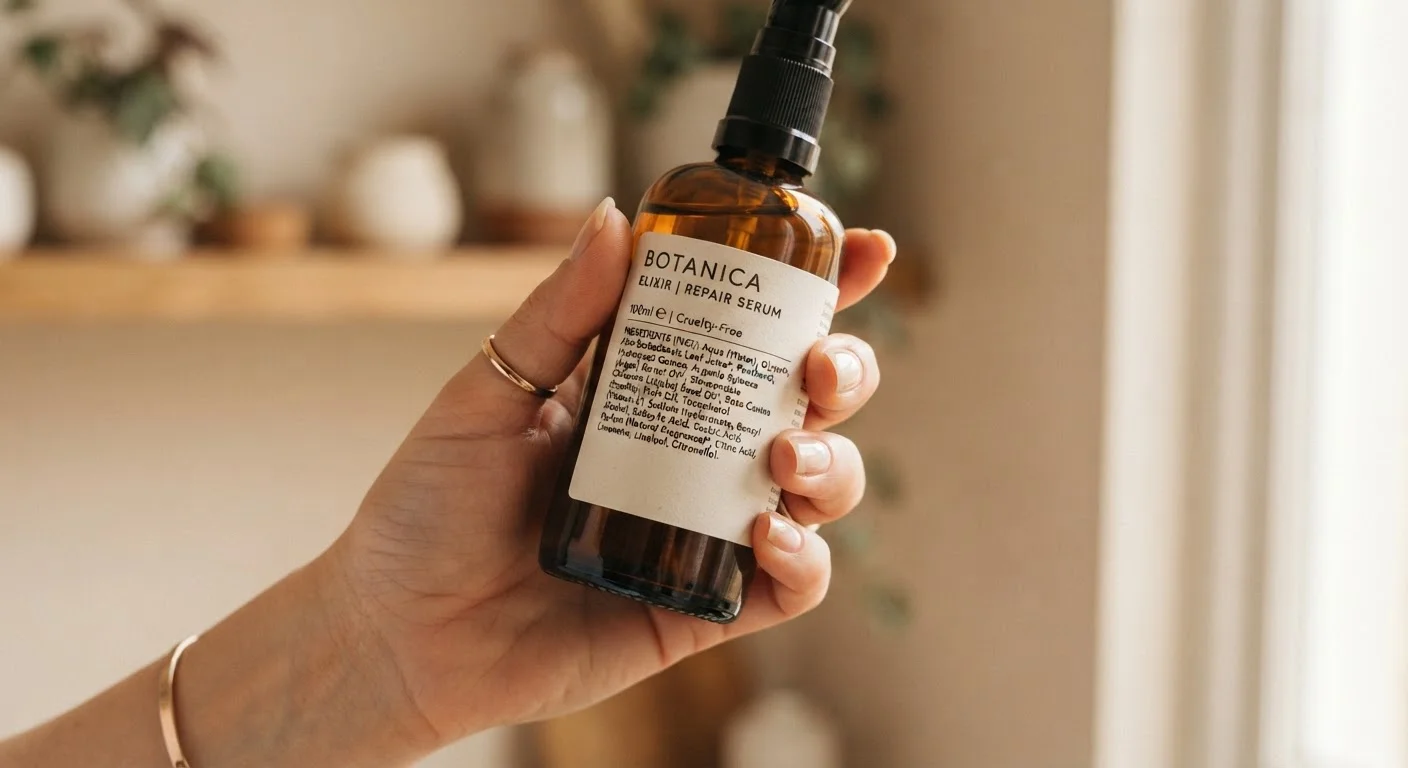
Photo credit: Infolagoon.com | Blogs To Rely On
In this article
Ingredient lists on hair products can be overwhelming. Learn the key things to look for — and what you can mostly ignore.
Key Takeaways
- Ingredients are listed in descending order by concentration — the first five matter most.
- Marketing claims on the front of packaging are not regulated the same way as the ingredient list.
- A few key ingredient categories (humectants, emollients, proteins) signal what a product actually does.
- Your hair type and porosity should guide which ingredients you prioritize.
- Long, complex-sounding ingredient names are not automatically harmful or beneficial.
Why the Ingredient List Is the Real Story
Walk down any hair care aisle and you'll see bold claims — volumizing, repairing, curl-defining, scalp-balancing. Those words exist to catch your eye. The ingredient list, by contrast, is a factual disclosure regulated by the U.S. Food and Drug Administration. It can't be curated for appeal the way front-of-pack language can.
Learning to read it isn't about becoming a cosmetic chemist. It's about asking a simple question: does what's in this bottle match what I actually need? That's especially useful if you've ever bought a product based on its packaging only to find it weighed your hair down, created buildup, or did nothing at all.
If you find label-reading useful here, the same logic applies in other areas — our guide to reading a skincare label covers similar ground for face and body products.
The product's ingredient list
The primary source of factual information about what's actually in the formula.
A cosmetic ingredient database (e.g., a publicly available INCI lookup tool)
Helps decode unfamiliar chemical names into plain-language descriptions of their function.
Before you dive into the steps, it helps to know your hair's unique profile. Multiple factors influence hair health, and your ideal ingredient mix will reflect your texture, porosity, and current condition.
What you will need
Step-by-Step: How to Read the Label
Front-of-Pack Claims Can Be Misleading
Words like "natural," "clean," "strengthening," or "moisturizing" on the front label are marketing language, not regulated definitions under U.S. law. The only reliable information is the INCI (International Nomenclature of Cosmetic Ingredients) list on the back or side of the product. Train yourself to flip the bottle first.
Find the INCI ingredient list
Flip the product over. The ingredient list — formatted using INCI (International Nomenclature of Cosmetic Ingredients) standardized names — is required by the FDA on all cosmetic products sold in the U.S. It's typically in small print on the back or side panel. If you can't find it on the physical packaging, the brand's website is required to provide it.
Pay attention to the first five ingredients
Ingredients are listed from highest to lowest concentration by weight. The first five ingredients typically make up the bulk of the formula — often 80–95% of the product. Water (listed as Aqua) is the most common first ingredient in rinse-off products. If a moisturizing or strengthening ingredient is listed near the bottom, it's present in a very small amount and may have minimal effect.
Identify the functional ingredient categories
Rather than memorizing every ingredient, learn the four main categories and what they signal:
- Humectants — attract moisture to the hair shaft. Look for glycerin, panthenol, aloe vera, or sorbitol.
- Emollients & oils — smooth the cuticle and add softness. Examples include shea butter, jojoba oil, argan oil, and cetyl alcohol (a fatty alcohol, not drying).
- Proteins — temporarily strengthen and fill gaps in damaged hair. Hydrolyzed wheat protein, keratin, and silk amino acids are common examples.
- Surfactants — cleansing agents in shampoos. Sulfate-based options (like sodium lauryl sulfate) are stronger detergents; gentler alternatives include sodium lauryl glucose carboxylate or cocamidopropyl betaine.
Note where preservatives and fragrance appear
Preservatives (such as phenoxyethanol or sodium benzoate) are necessary to prevent microbial growth — their presence is generally a sign of a responsibly formulated product. Fragrance may be listed as parfum or fragrance and is a common source of scalp sensitivity in people who react to scented products. If scalp irritation is a concern for you, this is worth noting.
Cross-reference claims on the front with the list on the back
Once you've scanned the ingredient list, return to the front-of-pack claims. Ask: does the ingredient list actually support the claim? A product marketed around a specific botanical or active ingredient should have that ingredient listed somewhere in the top half of the list to have a meaningful presence. If it appears near the very end, it may be more of a marketing highlight than a functional dose.
Match Ingredients to Your Hair Profile
Understanding your hair's porosity and curl pattern makes ingredient-reading far more useful. High-porosity hair tends to benefit from protein-rich and sealing ingredients, while low-porosity hair often responds better to lightweight humectants. See our guides on hair porosity and hair typing to build your personal reference point.
What You Can Mostly Ignore
Not everything on the label deserves your attention. Here's what matters less than you might think:
- Long chemical names — a complicated-sounding name doesn't indicate danger. Tocopherol is simply vitamin E. Cetearyl alcohol is a conditioning fatty alcohol, not a drying one. When in doubt, look up the INCI name in a free cosmetic ingredient database.
- Order of the last third of the list — ingredients below roughly 1% concentration can be listed in any order. A long list of botanicals near the bottom may look impressive but represent minimal formula contribution.
- Color and packaging — these signal brand positioning, not product performance.
Ingredient Sensitivities Vary by Person
No single ingredient is universally good or bad for every head of hair. If you experience scalp irritation, increased breakage, or product buildup after using a new product, discontinue use. Persistent scalp concerns should be evaluated by a licensed dermatologist or trichologist rather than diagnosed through label-reading alone.
Once you're comfortable reading labels, consider pairing that knowledge with a regular check-in on your overall routine. Our weekly hair and grooming audit walks you through a practical self-check to spot what's working and what needs adjusting.
This article is for general informational purposes only and does not constitute professional cosmetic, medical, or dermatological advice. If you experience scalp or hair concerns, consult a qualified dermatologist or trichologist.

Author
Style & Beauty Editorial Team
Style & Beauty Editorial Team is the collective byline for our editorial team and contributor network. Articles published under this byline or an editorial pen name are researched, written, and reviewed according to our editorial standards for clarity, consistency, and independence before publication.
View all articles →