
Building a Weekly Workout Schedule That Actually Sticks
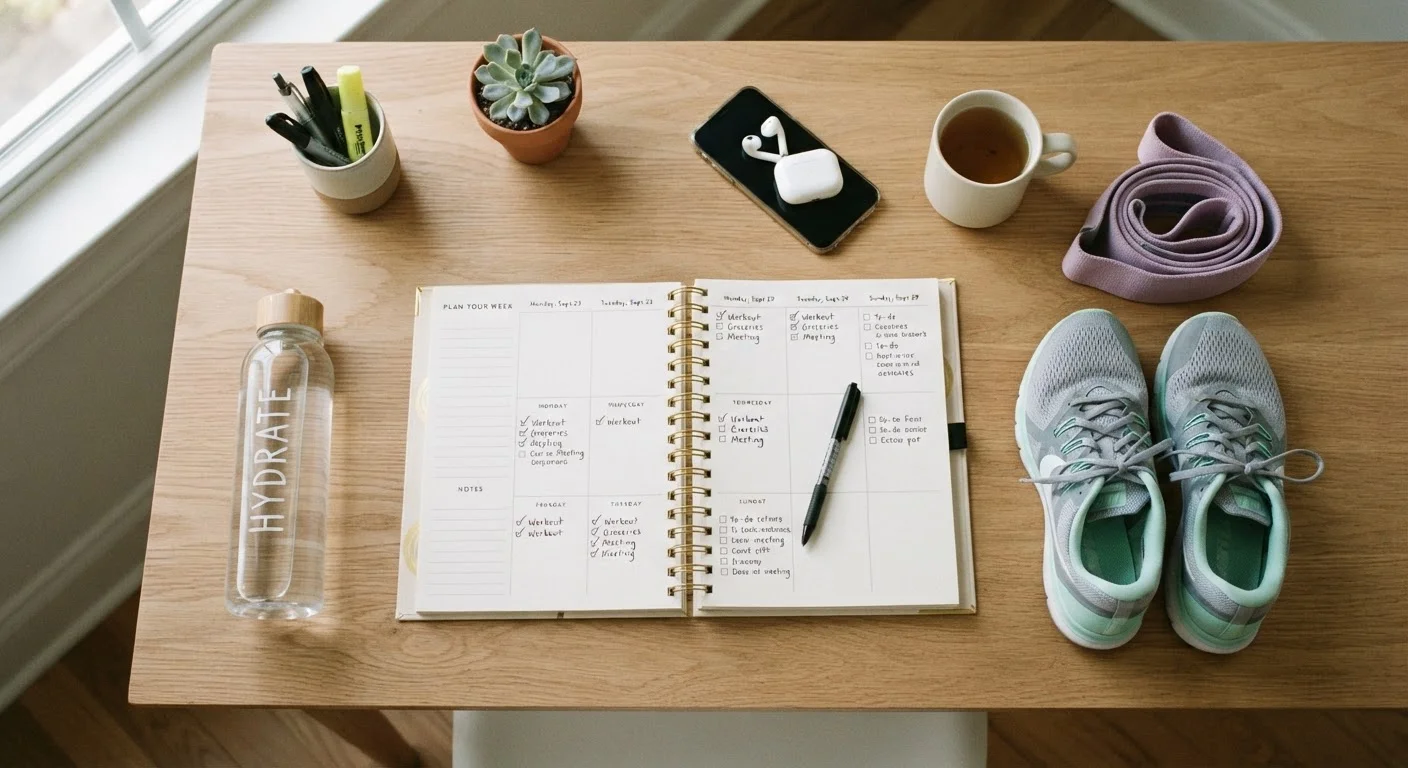
Photo credit: Infolagoon.com | Blogs To Rely On
In this article
Learn how to structure a balanced weekly fitness routine around real-life commitments, recovery needs, and different types of movement.
Key Takeaways
- Matching workout types to your real schedule dramatically improves long-term consistency.
- Every effective weekly plan includes at least one full rest or active recovery day.
- A mix of cardio, strength, and mobility work supports balanced fitness over time.
- Starting with three days per week is enough for meaningful progress for most beginners.
- Recovery, not just exercise volume, is what drives fitness gains over the long term.
Why Most Workout Schedules Fall Apart
The most common reason people abandon exercise routines is not lack of motivation - it is poor planning. Schedules that ignore real-life constraints, skip recovery, or demand too much too soon are almost guaranteed to fail. Research consistently shows that adherence, not intensity, is the primary predictor of long-term fitness outcomes. Moderate, consistent effort outperforms sporadic high-intensity training in nearly every measurable way over time.
Building a schedule that sticks means designing around your actual life - your energy levels, your available time, your recovery needs, and the types of movement you can sustain. This is general fitness guidance intended to help you think through that design process. It is not a substitute for personalized advice from a healthcare or fitness professional.
Consult a Professional Before Starting
This article provides general fitness education, not personalized medical advice. If you have a health condition, injury, recent surgery, or are new to exercise after a long break, consult a qualified healthcare provider before beginning any new workout program. This is especially important for those who are pregnant, elderly, or managing a chronic condition.
What You'll Need Before You Start
You do not need expensive equipment or a gym membership to build a functional weekly workout schedule. What you do need is clarity about your time, your physical starting point, and the tools that will make follow-through easier.
What you will need
Weekly Planner or Calendar App
Used to schedule and visually block out workout days, rest days, and workout types in advance.
Fitness Tracking App or Journal
Helps log completed workouts, track progress, and identify patterns over time.
Resistance Bands or Dumbbells
Provides simple, affordable options for strength training at home without a gym membership.
How to Build Your Weekly Workout Schedule
Follow these steps in order. Each one builds on the last, and skipping ahead - especially step one - is the most common planning mistake.
Audit Your Week Before Adding Anything
Before writing a single workout into your calendar, take an honest look at your existing schedule. Identify which days have windows of 30-60 minutes that are realistically free - not optimistically free. Account for work hours, family commitments, commute time, and sleep needs. Treat exercise like any other important appointment: it needs a slot, not just an intention.
Choose Your Weekly Frequency
For most people beginning or rebuilding a fitness habit, three days per week is a strong and sustainable starting point. This frequency allows enough stimulus for adaptation while leaving ample room for recovery. If your schedule allows four or five days, that is fine - but more is not always better, especially early on. Beginners exploring where to start will find useful context on realistic expectations and movement types before committing to a plan.
Balance Your Movement Types
A well-rounded weekly schedule typically includes three categories of movement: cardiovascular exercise (such as walking, cycling, or jogging), strength training (bodyweight exercises, free weights, or resistance machines), and mobility or flexibility work (stretching, yoga, or foam rolling). You do not need to fit all three into every session. Instead, distribute them across the week so no single type dominates. For example: two days of strength, one day of cardio, and short mobility work woven into each session. Understanding the difference between free weights and resistance machines can help you make informed choices about your strength training approach.
Plan Rest and Active Recovery Days
Rest days are not wasted days - they are when your muscles repair and grow stronger. Plan at least one full rest day per week. Active recovery days, where you take a gentle walk, do light stretching, or move without structured intensity, can fill additional gaps without adding training stress. These lighter days support circulation and mental refreshment without interfering with recovery.
Write It Down and Commit to Two Weeks
Put your plan in writing - on paper, in a digital calendar, or in a tracking app. Assign specific workout types to specific days rather than leaving them open-ended. Then commit to following the plan exactly as written for two full weeks before evaluating it. This short window removes the temptation to constantly revise and gives you real data on what is and is not working. Consistency, not intensity, is the engine of lasting fitness - and two committed weeks build more momentum than any single perfect workout.
Review, Adjust, and Repeat
After two weeks, review what worked and what did not. Did certain days consistently get skipped? Was the intensity too high or too low? Adjust one variable at a time - swap a day, change an exercise type, or shift a time slot. Avoid overhauling the entire plan at once, which can reset your momentum. Steady, incremental refinement is how a temporary schedule becomes a durable habit.
Don't Skip Recovery Days
Training every day without rest is one of the most common reasons people burn out or get injured. Muscle repair and adaptation happen during rest, not during the workout itself. Building rest into your schedule is not optional - it is part of the training.
Making It Last Beyond the First Month
A workout schedule only works if it fits the rest of your life. Consider how your fitness routine interacts with other weekly habits, including sleep, nutrition, and stress. Pairing structured meals with a structured movement plan creates a reinforcing loop that makes both habits easier to maintain.
On weeks when your schedule falls apart - because life does - resist the urge to restart from zero. Missing one or two sessions does not undo progress. Simply resume your plan on the next scheduled day. Low-effort mental wellness habits can also help you maintain momentum and manage the stress that sometimes derails physical routines.
Pair Your Workout Plan With Nutrition
A consistent fitness routine works best when supported by reliable eating habits. Consider reading our meal planning principles guide for practical strategies that complement your movement goals without rigid rules.
This article is for general informational and educational purposes only and does not constitute medical or fitness advice. Consult a qualified healthcare provider before beginning any new exercise program, particularly if you have existing health conditions or concerns.

Author
Health & Wellness Editorial Team
Health & Wellness Editorial Team is the collective byline for our editorial team and contributor network. Articles published under this byline or an editorial pen name are researched, written, and reviewed according to our editorial standards for clarity, consistency, and independence before publication.
View all articles →