
SPF in Skincare: Separating the Myths from the Science
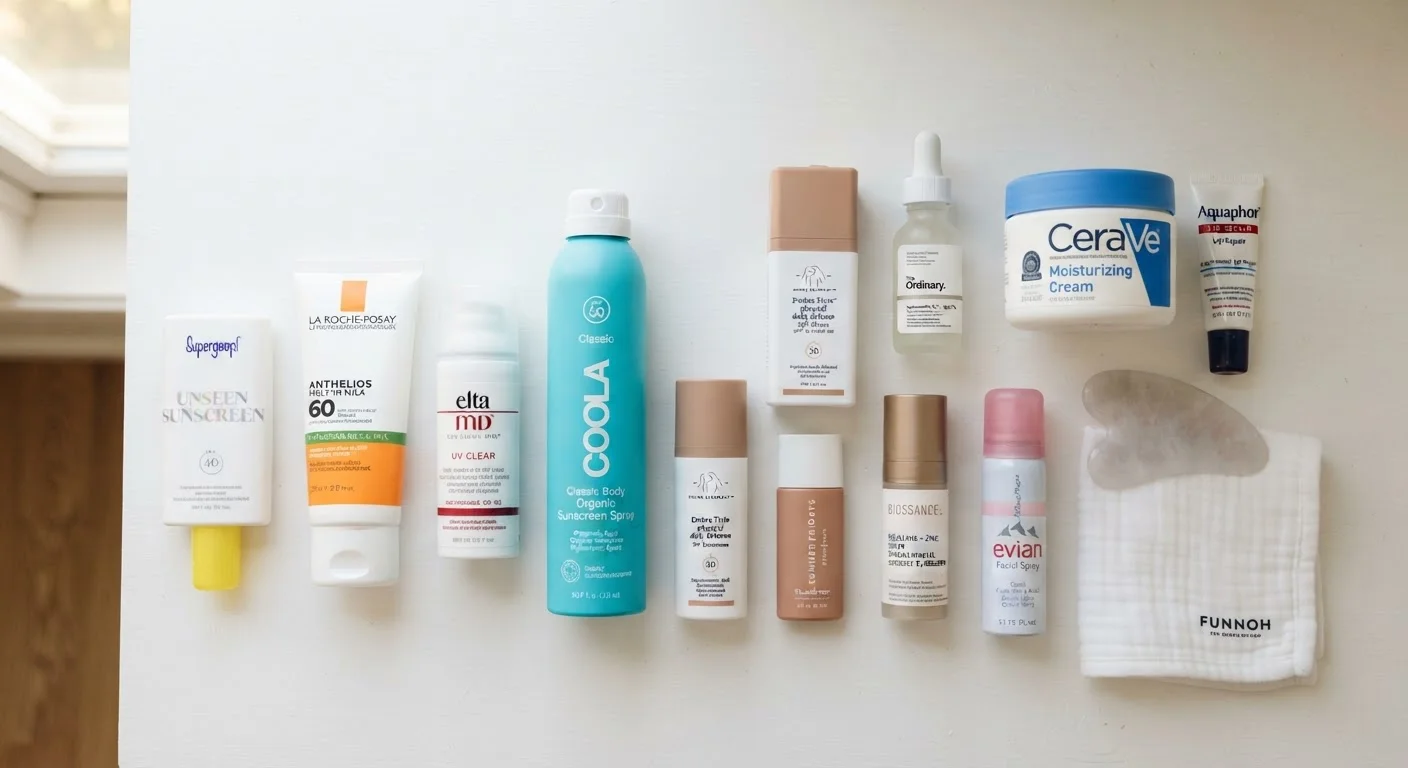
Photo credit: Infolagoon.com | Blogs To Rely On
In this article
From 'dark skin doesn't need SPF' to 'clouds block UV rays'—common sunscreen beliefs examined against what research actually shows.
Key Takeaways
- UV rays penetrate clouds and windows, meaning sun protection matters every single day.
- All skin tones — including deeper ones — can experience UV damage and benefit from SPF.
- SPF in makeup or moisturizer is rarely sufficient as a standalone sun-protection strategy.
- Higher SPF numbers offer more protection, but no sunscreen blocks 100% of UV radiation.
- Broad-spectrum SPF 30 or higher is widely recommended by dermatology organizations for daily use.
Why Sunscreen Confusion Is So Common
Sunscreen is one of those products nearly everyone owns and almost no one uses quite correctly. That's not a knock — it's an honest reflection of how much conflicting information exists around SPF, from marketing claims on packaging to well-meaning but outdated advice passed down through families and social media. Understanding what the research actually shows can make sun protection feel less like a chore and more like a straightforward, empowering habit. If you want to see how sunscreen fits into your broader routine, reading a skincare label without getting lost is a great companion piece.
The Myths, Examined
The following myth-and-fact pairs cover the most common SPF misconceptions — from skin tone to weather to SPF math. Each one is worth understanding, because acting on a sunscreen myth doesn't just shortchange your skincare routine; it can have real long-term consequences for skin health.
Myth
If it's cloudy or I'm staying indoors, I don't need sunscreen.
Fact
Up to 80% of UV rays can pass through clouds, and UVA rays penetrate standard window glass.
Cloud cover reduces visible light but does very little to block ultraviolet radiation. UVA rays — the type primarily responsible for premature aging and long-term skin damage — are present at relatively consistent levels throughout daylight hours, rain or shine. Sitting near a window at home or in the car exposes your skin to meaningful UVA radiation. Daily sunscreen application, regardless of weather, is the approach supported by most dermatology organizations.
Myth
Dark or deeper skin tones don't need SPF — melanin is natural sun protection.
Fact
Melanin offers some UV protection, but not nearly enough to prevent sun damage, hyperpigmentation, or skin cancer risk.
While it's true that higher melanin concentrations slow the rate of sunburn, they do not provide protection equivalent to sunscreen. Post-inflammatory hyperpigmentation — dark spots left after inflammation or sun exposure — is actually more common and visually pronounced in deeper skin tones. Additionally, skin cancers, though statistically less frequent, are often diagnosed at more advanced stages in people with darker skin, partly because of the misconception that they aren't at risk.
[important_callout]Myth
The SPF in my foundation or moisturizer is enough.
Fact
SPF in cosmetics is tested under application amounts most people never actually use, making real-world protection significantly lower.
Lab testing for SPF ratings uses a specific, generous amount of product. In everyday use, people typically apply far less foundation or tinted moisturizer than that threshold. The result: the SPF protection you actually receive is a fraction of what's printed on the label. A dedicated, appropriately applied sunscreen — about a teaspoon for the face and neck — is the reliable foundation of UV protection, with makeup SPF serving as a modest bonus at best.
Myth
SPF 100 gives you twice the protection of SPF 50, so higher is always much better.
Fact
The relationship between SPF numbers and UV blocking is not linear — the gains diminish significantly at higher numbers.
SPF 30 blocks approximately 97% of UVB rays, while SPF 50 blocks roughly 98%, and SPF 100 around 99%. The incremental difference at high SPF values is real but small. What matters far more is consistent, correct application and reapplication — especially after swimming, sweating, or towel-drying. No sunscreen, regardless of SPF, should be treated as a reason to extend sun exposure without reapplying.
Myth
Sunscreen causes vitamin D deficiency.
Fact
Research has not found that regular sunscreen use leads to clinically significant vitamin D deficiency in most people.
This concern circulates widely, but studies have generally found that people who use sunscreen regularly still maintain adequate vitamin D levels. Factors like dietary intake, supplements, and incidental sun exposure contribute meaningfully to vitamin D status. Intentional unprotected UV exposure to boost vitamin D is not recommended by major dermatology or health organizations, as the skin-damage risks outweigh the benefit for most individuals. If you have specific concerns about vitamin D, a healthcare provider can assess your levels directly.
Myth
You only need to apply sunscreen once in the morning.
Fact
Sunscreen effectiveness degrades over time, especially with sweat, water, and physical contact — reapplication is essential.
Most sunscreens offer meaningful protection for roughly two hours under real-world conditions. After that — particularly if you've been sweating, swimming, or even just touching your face — the protective film breaks down. Reapplication every two hours during outdoor exposure is the standard guidance. Powder or spray SPF products can make midday reapplication more practical over makeup, though a dedicated liquid or lotion formula remains the most reliable base layer. For more on fitting SPF into your full routine, see our guide to skincare layering order.
~80%
UV rays that pass through cloud cover
The World Health Organization notes that cloud cover provides limited UV protection, with up to 80% of rays still reaching the earth's surface on overcast days.
97%
UVB rays blocked by SPF 30
According to the American Academy of Dermatology, SPF 30 filters approximately 97% of UVB rays when applied correctly and in sufficient quantity.
Building a Sunscreen Habit That Actually Works
The most effective sunscreen is the one you'll actually use consistently. Broad-spectrum formulas (meaning they block both UVA and UVB rays) at SPF 30 or higher are the starting point recommended by most dermatology organizations for daily use. Beyond that, the best formula is the one that feels comfortable on your skin type — whether that's a lightweight gel, a mineral powder, or a tinted fluid — because comfort drives compliance.
Applying SPF as the final step in your morning skincare routine (before makeup, if you wear it) helps it function as intended. And remember: sun protection is general health information, not a substitute for personalized medical guidance. If you have concerns about sun damage, skin changes, or your individual risk factors, a dermatologist or licensed healthcare provider is your best resource.
Don't Skip Reapplication in Extended Sun
A single morning application of sunscreen is not adequate protection for a day at the beach, a long outdoor event, or any extended time outside. Sunscreen efficacy breaks down with sweat, water exposure, and time. Set a reminder to reapply every two hours when you're outdoors for prolonged periods — your future skin will thank you.

Author
Style & Beauty Editorial Team
Style & Beauty Editorial Team is the collective byline for our editorial team and contributor network. Articles published under this byline or an editorial pen name are researched, written, and reviewed according to our editorial standards for clarity, consistency, and independence before publication.
View all articles →