
Annual Vet Visits: What Actually Happens and Why They Matter
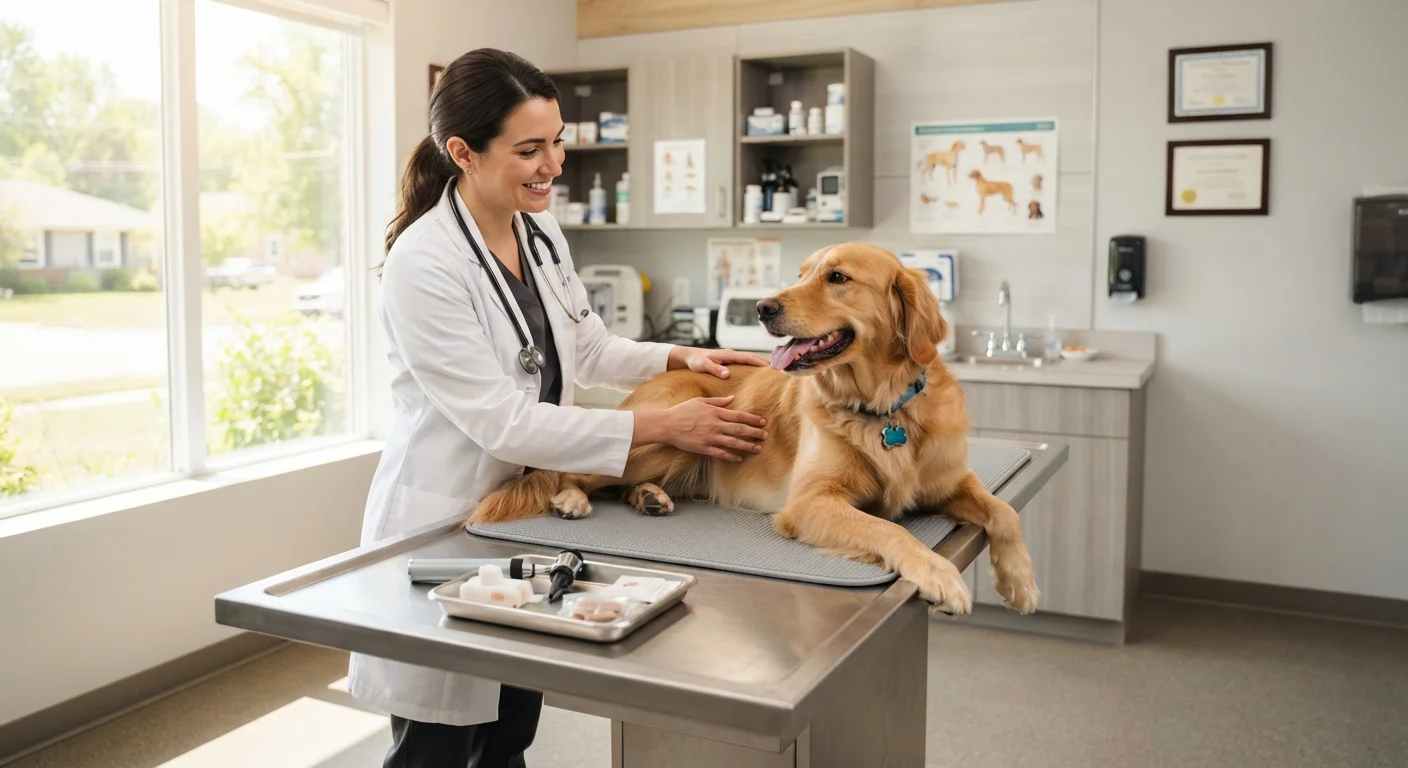
Photo credit: Infolagoon.com | Blogs To Rely On
In this article
Understand what your veterinarian checks during a routine exam and why yearly wellness visits are a cornerstone of your pet's long-term health.
Key Takeaways
- Annual exams cover far more than vaccinations — they assess nearly every organ system.
- Early detection during routine exams often leads to simpler, less costly treatment.
- Senior pets typically benefit from twice-yearly exams due to faster health changes.
- Owners should bring questions and a list of any behavioral changes to each visit.
- Dental health, weight, and parasite prevention are regularly reviewed at wellness visits.
What Happens During a Routine Wellness Exam
The annual wellness visit follows a structured format designed to evaluate your pet from nose to tail. A veterinarian begins by reviewing your pet's history and asking about diet, behavior, activity level, and any changes you've noticed at home — information that can reveal patterns invisible on the exam table.
The physical examination itself typically includes:
- Eyes and ears: Checked for discharge, inflammation, cloudiness, or signs of infection.
- Mouth and teeth: Assessed for tartar buildup, gum disease, fractured teeth, or oral masses. Oral health connects directly to systemic conditions like heart and kidney disease.
- Skin and coat: Examined for lumps, parasites, hair loss, or irritation. Consistent grooming habits can make these issues easier to detect between visits.
- Heart and lungs: Listened to with a stethoscope to identify murmurs, irregular rhythms, or abnormal breath sounds.
- Abdomen: Palpated to assess organ size and detect pain, masses, or abnormal fluid.
- Lymph nodes and musculoskeletal system: Checked for swelling, stiffness, or signs of arthritis.
- Weight and body condition: Compared against prior records to identify trends toward obesity or unhealthy weight loss.
Depending on the pet's age and history, the vet may also recommend diagnostic screening — bloodwork, urinalysis, or fecal parasite testing — to look beneath the surface.
~70%
Pets over age 3 with dental disease
The American Veterinary Medical Association estimates that by age three, most dogs and cats show early signs of dental disease, often detectable during routine exams.
2x
Recommended exam frequency for senior pets
Veterinary guidelines generally recommend twice-yearly wellness visits for senior pets, reflecting how rapidly age-related health changes can occur.
Why Annual Visits Matter More Than Most Owners Realize
Pets age faster than humans. A single year in a dog or cat's life represents several human years physiologically, which means health can shift significantly between appointments. Conditions like kidney disease, thyroid disorders, diabetes, and certain cancers often develop silently — producing no obvious symptoms until they are moderate to advanced in progression.
Routine exams create a documented health baseline over time. A veterinarian who has tracked your pet's weight, heart sounds, and bloodwork across multiple years is far better positioned to notice a meaningful change than one seeing the animal for the first time. This longitudinal view is one of the strongest arguments for consistent, same-clinic care when possible.
Preventive conversations also happen during wellness visits. Parasite prevention, vaccine schedules, nutrition adjustments for aging pets, and behavioral concerns all benefit from a routine touchpoint with a professional.
Track Changes Between Visits
Keep a simple running note on your phone about anything you observe — changes in thirst, energy, stool quality, or behavior. Even observations that seem minor to you can be diagnostically meaningful to your veterinarian. Arriving with specific, documented details makes your annual visit significantly more productive.
Making the Most of Your Pet's Appointment
A wellness visit is most productive when owners arrive prepared. Before the appointment, note any changes — shifts in appetite, water intake, activity level, bathroom habits, or temperament. These details, however minor they seem, give the veterinarian valuable context.
Don't hesitate to ask questions. Wellness exams are an appropriate time to discuss dental cleanings, common signs of oral disease, weight management strategies, or lifestyle-specific risks. The more a vet understands about your pet's daily environment, the more tailored their recommendations can be.
For pet owners managing multiple animals or navigating care across life stages, revisiting the fundamentals of pet care basics can help frame broader wellness decisions. Regular exams aren't a response to illness — they're the foundation that keeps illness at bay.
This article is for general informational and educational purposes only and is not a substitute for professional veterinary advice. Always consult a licensed veterinarian for guidance specific to your pet's health needs.
Frequently Asked Questions

Author
Pets & Animals Editorial Team
Pets & Animals Editorial Team is the collective byline for our editorial team and contributor network. Articles published under this byline or an editorial pen name are researched, written, and reviewed according to our editorial standards for clarity, consistency, and independence before publication.
View all articles →