
Everyday Makeup Habits That Quietly Harm Your Skin
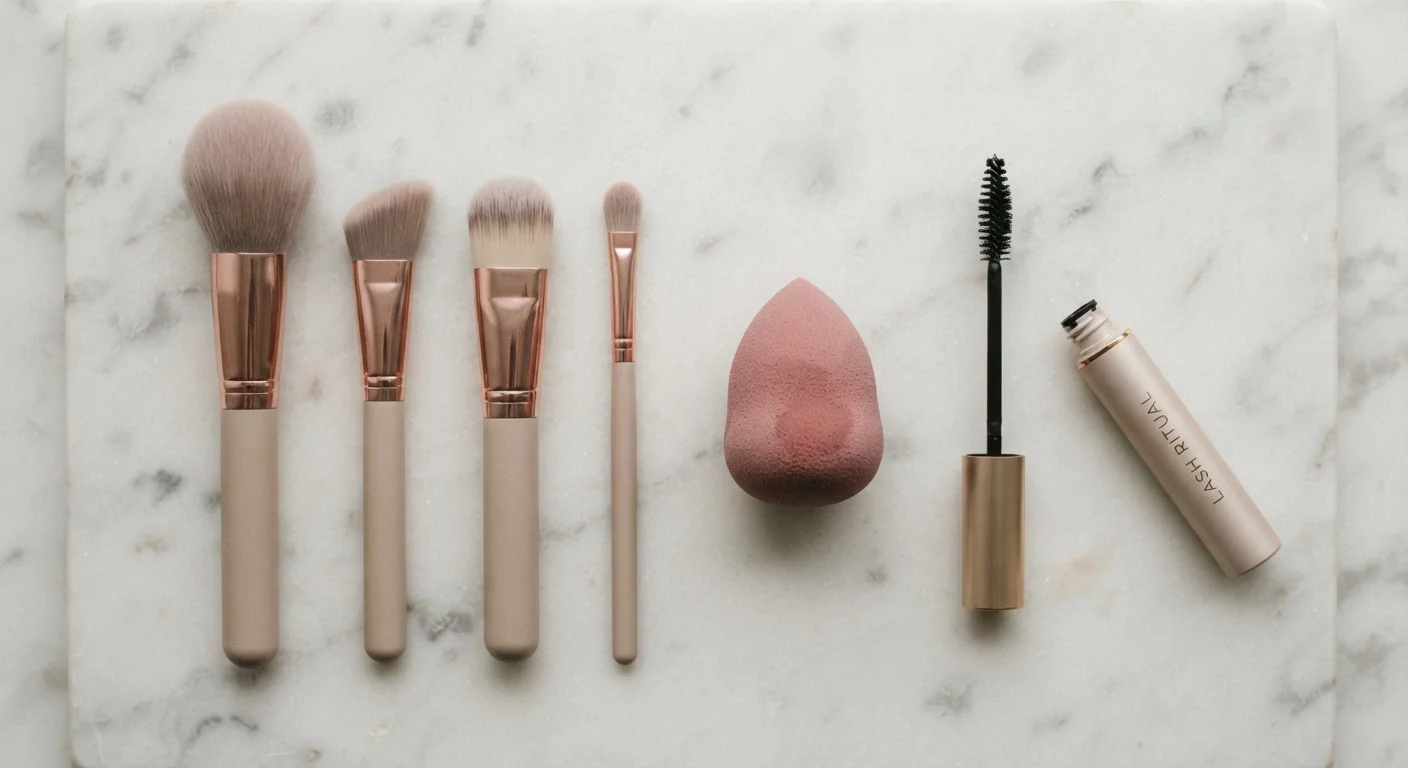
Photo credit: Infolagoon.com | Blogs To Rely On
In this article
Sleeping in mascara, skipping primer, sharing brushes—small daily habits that can accumulate into real skin problems over time.
Key Takeaways
- Sleeping in makeup—even once—can clog pores and disrupt overnight skin repair.
- Dirty brushes and shared tools are common but overlooked sources of breakouts and infection.
- Skipping SPF under makeup leaves skin exposed to cumulative UV damage daily.
- Applying makeup over unprepped skin shortens wear time and increases irritation risk.
Why Small Habits Add Up Faster Than You Think
Makeup is a daily ritual for millions of Americans, and most of us develop our routines through trial, habit, and a little guesswork. The problem? Some of the most common shortcuts feel completely harmless in the moment but quietly stress skin over weeks and months. We're not talking about dramatic missteps — we're talking about the ordinary, rushed decisions that become invisible habits.
The good news: identifying these patterns is the first step to correcting them, and most fixes are simpler than you'd expect. If you're just building your routine, our skin care routine checklist for beginners is a great companion to this guide.
Sleeping in makeup without cleansing first.
Why it happens: After a long day, washing your face feels like one step too many — especially when you're exhausted or running late at night.
Using dirty makeup brushes and sponges week after week.
Why it happens: Brush cleaning feels tedious, and the consequences aren't immediately visible, so it's easy to skip indefinitely.
Skipping SPF because it's already in your foundation.
Why it happens: Many foundations and tinted moisturizers list an SPF rating, which creates a reasonable but misleading sense of coverage.
Applying makeup directly onto dry, unprepped skin.
Why it happens: Rushing in the morning means skipping moisturizer or primer, which feels like a time-saving trade-off.
Pumping mascara wand in and out of the tube repeatedly.
Why it happens: It feels like you're loading more product onto the brush, but the habit is widespread and rarely questioned.
The Ingredient Layer Problem Most People Overlook
Even well-intentioned routines can work against themselves when products are layered in the wrong order — or when certain ingredient combinations are applied simultaneously. Heavy silicone-based primers under water-based foundations, for example, can cause pilling and uneven coverage that prompts people to apply more product than they need, leading to congestion.
Don't Mix Exfoliants With Heavy Coverage Makeup
Applying chemical exfoliants — like AHAs or BHAs — immediately before full-coverage makeup can leave skin temporarily more sensitive and reactive under occlusive formulas. If your skin feels tight or looks red mid-day, your product timing may be worth examining. Consider using actives only in the evening when they won't sit under makeup for hours.
Similarly, using exfoliating skincare actives right before applying full-coverage makeup can leave skin sensitized and reactive under occlusive formulas. If you've ever noticed redness or tightness mid-afternoon, your product order may be the culprit. Our guide to ingredients that don't play well together in skincare covers this in more detail.
Understanding what you're putting on your skin — and in what sequence — pays off in both wear quality and long-term skin comfort. And if you're unsure which base product to reach for, concealer, foundation, and tinted moisturizer each serve different purposes — matching coverage to the occasion reduces how hard your skin has to work.
Building Better Habits Without Overhauling Everything
You don't need to rebuild your entire routine from scratch. Most of the habits covered here require small, deliberate adjustments rather than a full overhaul. Start with a solid morning skincare routine as your foundation — applying SPF, a lightweight moisturizer, and allowing products to absorb before makeup goes on takes only a few extra minutes and makes a measurable difference.
Equally important is what happens at night. Skin undergoes repair while you sleep, and leaving makeup on interferes with that process. A consistent evening routine doesn't have to be elaborate — our piece on why a nighttime skincare routine matters walks through what's actually worth doing before bed.
3 months
Recommended mascara replacement interval
Dermatologists and ophthalmologists generally advise replacing mascara every three months to reduce the risk of eye infections from formula degradation and bacterial buildup.
1×/week
Minimum brush cleaning frequency for face brushes
Makeup artists and skin care professionals commonly recommend cleaning foundation and concealer brushes at least once per week to limit bacteria transfer to skin.
Just as everyday grooming shortcuts can quietly damage hair — something explored in our guide to grooming habits that quietly damage your hair — makeup habits carry their own form of slow, cumulative cost. Awareness is the real starting point.
This article is for general informational purposes only and is not a substitute for professional dermatological or medical advice. If you experience persistent skin irritation, breakouts, or reactions, consult a qualified dermatologist or healthcare provider.

Author
Style & Beauty Editorial Team
Style & Beauty Editorial Team is the collective byline for our editorial team and contributor network. Articles published under this byline or an editorial pen name are researched, written, and reviewed according to our editorial standards for clarity, consistency, and independence before publication.
View all articles →