
Concealer, Foundation, and Tinted Moisturizer: When to Reach for Each
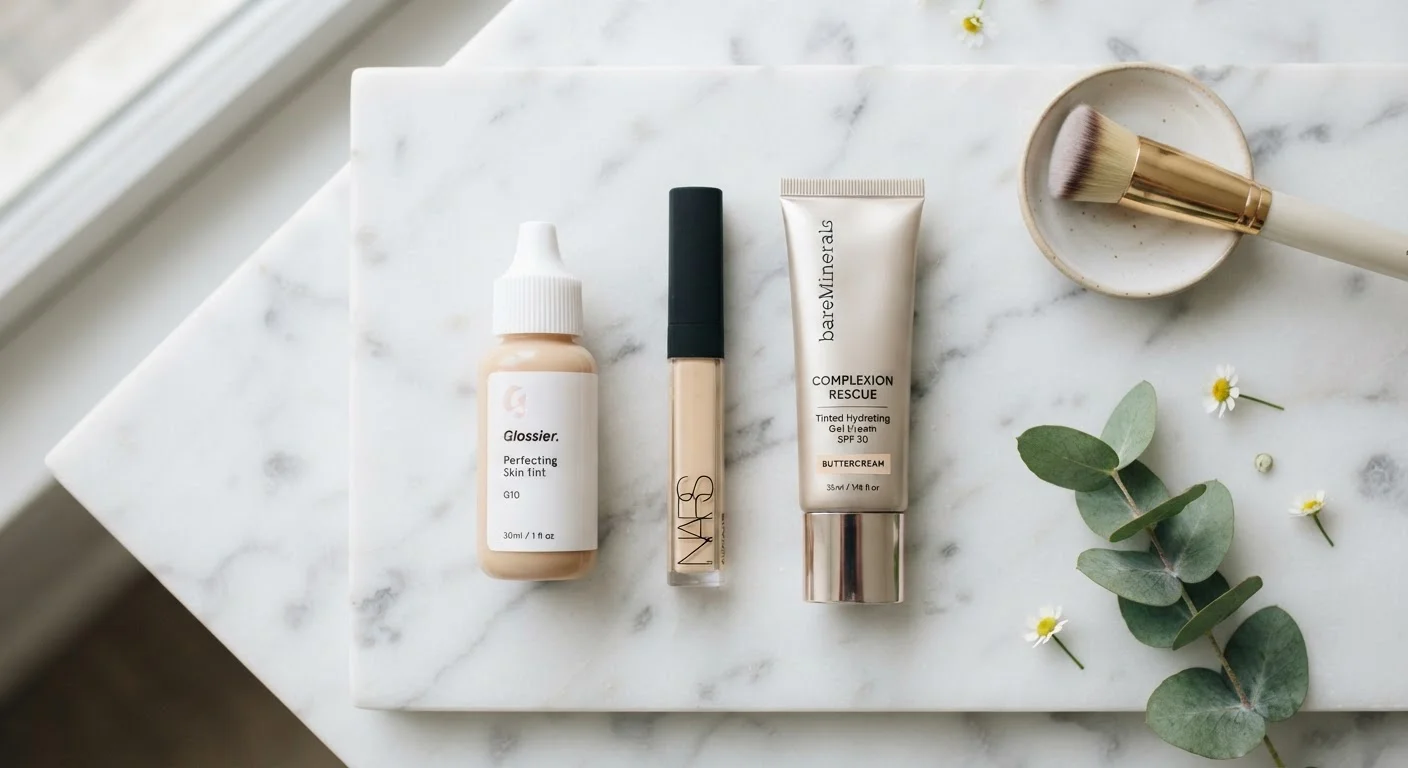
Photo credit: Infolagoon.com | Blogs To Rely On
In this article
Three products that do similar things but in very different ways. Learn what sets them apart and how to match coverage to the occasion.
Key Takeaways
- Tinted moisturizer offers the lightest, most skin-like finish — ideal for low-key, everyday wear.
- Foundation provides the most customizable coverage range, from sheer to full, across many skin types.
- Concealer is a targeted tool, not a base — it corrects specific spots rather than covering the whole face.
- Layering all three is a valid approach: start with the lightest product and build from there.
- Your skin type, occasion, and personal comfort level should guide which product you reach for.
What Each Product Actually Does
At a glance, concealer, foundation, and tinted moisturizer all seem to do the same job: even out your skin tone. But they're formulated with different goals in mind, and understanding those differences is the fastest way to simplify your makeup routine.
Tinted moisturizer is a hybrid product — part skincare, part makeup. It delivers a wash of color along with hydrating ingredients, resulting in a sheer, skin-forward finish. Coverage is minimal by design, so freckles, natural texture, and slight unevenness show through. That's kind of the point.
Foundation is the most versatile of the three. It's designed to create a uniform base across the face and comes in a wide spectrum of coverage levels — from light and buildable to medium and full. Formulations vary enormously: liquid, powder, stick, serum, and cushion are all common formats, each suited to different skin types and preferences.
Concealer is a precision tool, not a base coat. It's typically more pigmented and thicker than foundation, which makes it excellent at neutralizing dark circles, covering blemishes, and masking redness around the nose. Using it on its own across your whole face can look heavy and settle into texture — that's not what it's built for. See our guide to everyday makeup habits that quietly harm your skin for common application mistakes worth avoiding.
How Coverage Levels Compare
Coverage is the key variable when choosing between these three products — and it's worth knowing what you're actually working with before you shop or apply.
| Tinted Moisturizer | Foundation | Concealer | |
|---|---|---|---|
| Coverage level | Sheer to light | Light to full (varies by formula) | Medium to full |
| Finish | Natural, dewy, skin-like | Varies: matte, satin, dewy | Typically matte or satin |
| Intended use | All-over, quick application | All-over base coverage | Spot-correction only |
| Skincare benefits | Often includes SPF and hydration | Some formulas add skincare actives | Generally minimal |
| Ease of application | Very easy, forgiving | Moderate — blending required | Easy with practice |
| Best skin type fit | Normal to dry, most types | All skin types (formula-dependent) | All skin types |
One important note: coverage level isn't strictly tied to a product category. Some foundations are deliberately sheer; some tinted moisturizers now offer light-to-medium coverage. Reading the product description and knowing your own skin's needs matters more than following a rigid rule. For help reading ingredient labels and product claims, that skill applies equally to makeup as it does to skincare.
Matching the Product to the Occasion
The right product is the one that fits the moment — not necessarily the one with the most coverage.
- Casual days and outdoor activities: Tinted moisturizer is hard to beat. It's quick, comfortable, and won't look out of place in natural light. Many formulas also include SPF, which is a genuine skincare bonus.
- Work, events, or photos: Foundation tends to perform better when you need consistency over several hours or in varied lighting. Pairing it with a setting powder or spray extends wear time significantly.
- Touch-ups on the go: Concealer earns its place in a small bag — a dab under the eyes or on a breakout takes seconds and refreshes the whole look.
- Full face, long day: Layer intentionally. Apply foundation as your base, then use concealer on any areas that need extra attention. Understanding the logic of layering products helps ensure your skincare underneath is set up to support your makeup effectively.
Layer Light to Heavy, Always
If you're combining products, apply the lightest formula first and build toward the most pigmented. Tinted moisturizer goes on first, then foundation where more coverage is needed, then concealer as the final targeted step. This approach prevents pilling, keeps blending easy, and gives you far more control over the final result.
Skin Type Considerations and Application Tips
Beyond coverage, your skin type should influence which formulation you reach for — regardless of the product category.
Oily skin generally does well with oil-free or mattifying foundation formulas, or tinted moisturizers with a gel base. Heavy, creamy formulas can migrate or look greasy by midday. Setting with a translucent powder helps extend wear.
Dry skin tends to respond better to hydrating, serum-based foundations and nourishing tinted moisturizers. Powder foundations can emphasize dry patches. Using a moisturizer underneath — and allowing it to fully absorb — makes a real difference in how any base product sits. The case for a solid nighttime skincare routine is relevant here too: well-conditioned skin holds makeup more evenly.
Combination or sensitive skin often benefits from lighter formulas overall. Tinted moisturizer with minimal fragrance and non-comedogenic ingredients is frequently a comfortable starting point.
For concealer specifically: always apply it after foundation, not before. When you apply foundation on top of standalone concealer, you lift it and reduce its effectiveness. Apply, blend with a damp sponge or fingertip, and set lightly with powder if longevity matters. When you're done for the day, thorough removal is essential — see our comparison of micellar water vs. cleansing balm for makeup removal for options that work across different skin types.

Author
Style & Beauty Editorial Team
Style & Beauty Editorial Team is the collective byline for our editorial team and contributor network. Articles published under this byline or an editorial pen name are researched, written, and reviewed according to our editorial standards for clarity, consistency, and independence before publication.
View all articles →