
Skin Care Routine Checklist for Beginners
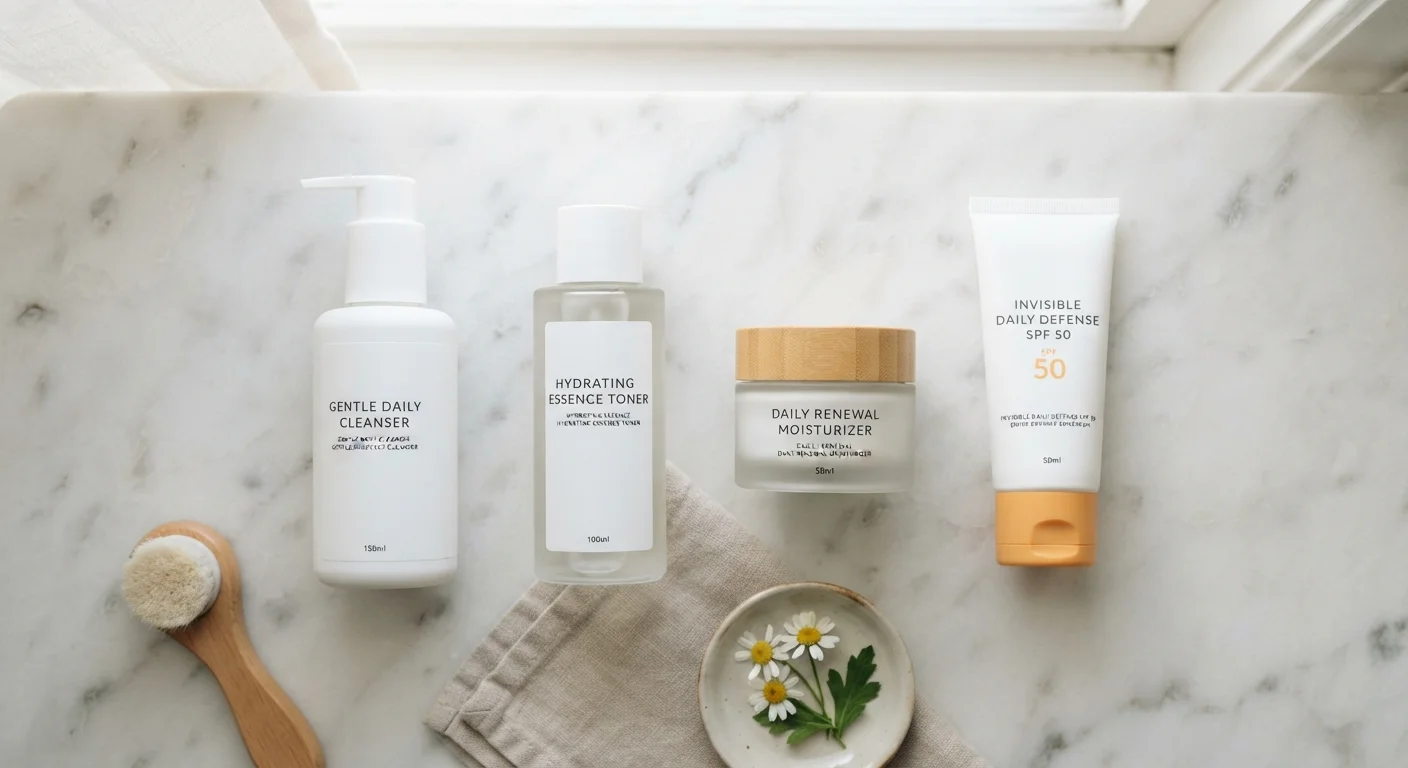
Photo credit: Infolagoon.com | Blogs To Rely On
In this article
A practical checklist covering the fundamentals of a basic skincare routine—morning, evening, and the products worth starting with.
Key Takeaways
- A beginner routine needs just three core steps: cleanse, moisturize, and protect with SPF.
- Morning and evening routines serve different purposes and use slightly different products.
- Introducing one new product at a time helps you identify what works for your skin.
- Consistency matters far more than having an elaborate or expensive product lineup.
- Patch testing new products can help prevent unexpected irritation or breakouts.
Why a Simple Routine Beats a Complex One
If you've ever stared at a 12-step skincare tutorial and felt immediately overwhelmed, you're not alone. The beauty industry has a way of making basic self-care feel like a science exam. The truth is, a solid skincare foundation doesn't require a shelf full of serums — it requires consistency with a handful of well-chosen steps.
This checklist is built for anyone starting from scratch or looking to audit what they're already doing. Before diving in, check out our guide to building a morning skincare routine for a practical walkthrough of the essentials. For now, use this checklist to cover all your bases — morning, evening, and the smart habits in between.
Sunscreen Is Non-Negotiable
Daily SPF is consistently cited by dermatologists as the most effective skin-protective step available — more impactful than any serum or treatment. Skipping it, even on cloudy days or when spending time indoors near windows, leaves skin unprotected from UV exposure. Make sunscreen the last step of every morning routine, every day, year-round.
What You'll Need Before You Start
Before running through the checklist, gather your tools. You don't need everything listed here on day one — start with the must-haves and layer in the rest as your routine becomes habit.
Gentle Facial Cleanser
Removes oil, dirt, and makeup without stripping the skin's natural moisture barrier.
Moisturizer
Hydrates and seals in moisture to keep the skin barrier healthy morning and night.
Broad-Spectrum Sunscreen (SPF 30+)
Protects skin from UV damage every morning — the single most impactful anti-aging step.
Makeup Remover or Micellar Water
Breaks down makeup and sunscreen before your evening cleanse for a thorough clean.
Toner or Essence
Adds a layer of hydration after cleansing, particularly useful for dry or sensitive skin types.
Retinol or Retinoid Serum
Supports skin cell turnover and texture — best introduced gradually after the basics are established.
Keep your products somewhere visible so you actually use them. A bathroom counter or a small tray works well. Out of sight, out of routine.
Your Skincare Routine Checklist
Work through these grouped steps in order. Items marked must are non-negotiable for healthy skin; should items add meaningful benefit; nice-to-have items are worth adding once the basics feel automatic.
Morning Routine
Evening Routine
Smart Habits and Hygiene
Periodic Check-ins
Don't Overload Your Skin at the Start
It's tempting to try multiple new products at once, especially when building a routine feels exciting. Introducing several products simultaneously makes it nearly impossible to identify which one is causing a reaction if irritation occurs. Slow and steady wins here — one product at a time, with patience between additions.
Also worth knowing: some everyday makeup habits can quietly work against even the best skincare routine. See our piece on makeup habits that harm your skin to make sure you're not undoing your progress.
Keeping the Momentum Going
The hardest part of any routine isn't learning it — it's sticking with it. Most skin changes take four to six weeks to become visible, so patience is genuinely part of the process. Give new products time before judging them, and resist the urge to pile on extras when results feel slow.
If you're also thinking about broader self-care habits, our weekly hair and grooming audit offers a similarly grounded checklist for scalp and styling health. And if budget is a consideration as you build out your routine, the budgeting basics hub is a helpful resource for keeping personal care spending in check.
This article is for general informational purposes only and does not constitute medical or dermatological advice. If you have a skin condition, persistent irritation, or concerns about your skin health, consult a qualified dermatologist or healthcare professional.

Author
Style & Beauty Editorial Team
Style & Beauty Editorial Team is the collective byline for our editorial team and contributor network. Articles published under this byline or an editorial pen name are researched, written, and reviewed according to our editorial standards for clarity, consistency, and independence before publication.
View all articles →