
Micellar Water vs. Cleansing Balm for Makeup Removal
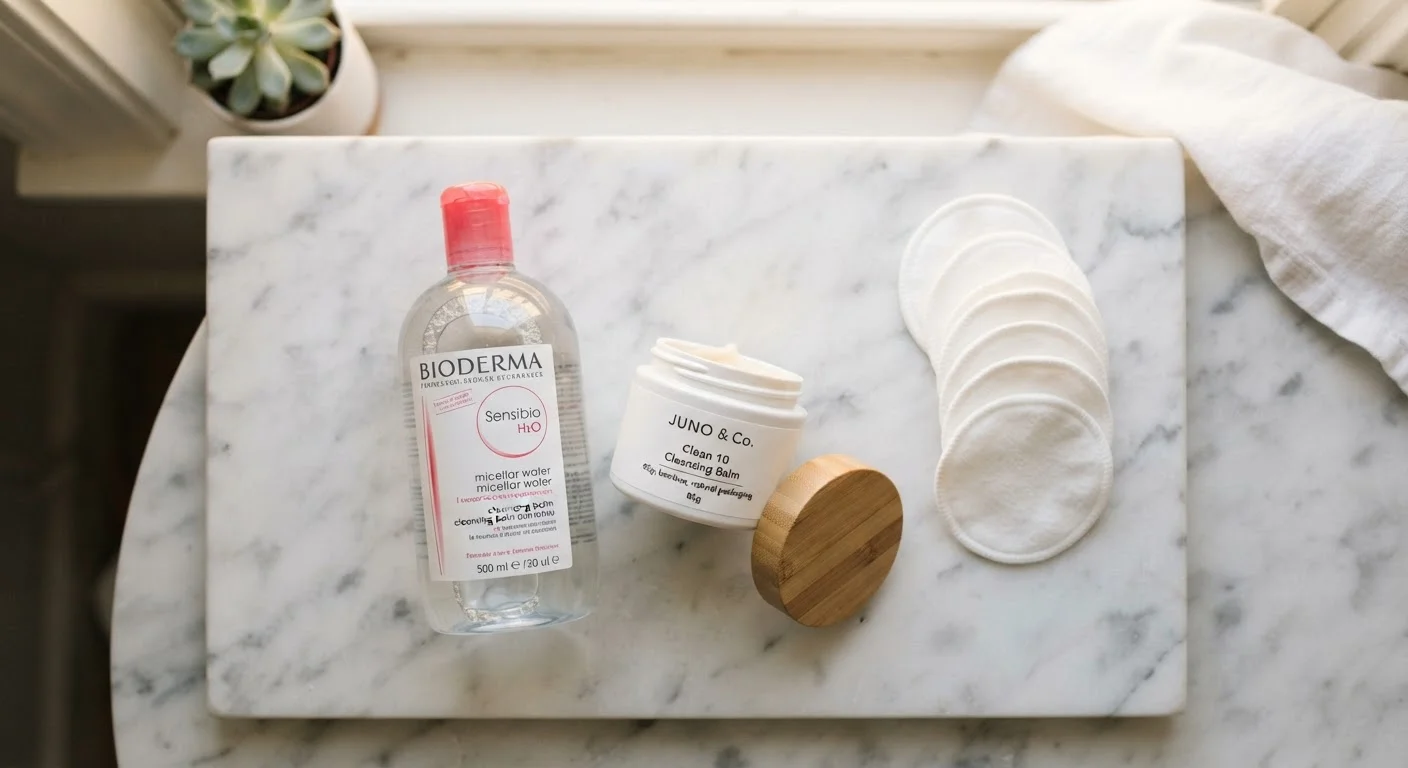
Photo credit: Infolagoon.com | Blogs To Rely On
In this article
Two popular makeup-removal approaches compared side by side—how they work, what they're suited for, and when to use each.
Key Takeaways
- Micellar water uses tiny oil-and-water clusters called micelles to lift makeup without rinsing.
- Cleansing balms dissolve heavy, long-wear, and waterproof formulas more thoroughly than micellar water.
- Micellar water suits sensitive or dry skin; cleansing balms work across most skin types including oily.
- Neither method replaces your regular cleanser for a fully clean face — a follow-up wash is often recommended.
- Both methods are gentle enough for daily use when matched to the right skin type and makeup load.
How Each Method Actually Works
Despite both being gentle makeup removers, micellar water and cleansing balms work through very different chemistry — and understanding that difference makes it easy to pick the right one for your routine.
Micellar water is primarily water-based and contains tiny structures called micelles — clusters of surfactant molecules that arrange themselves so one end attracts oil and the other attracts water. When you swipe a soaked cotton pad across your skin, the micelles grab onto oil-based makeup and sunscreen, suspending them so they lift away without the need for rinsing. The formula stays lightweight, which is why it feels so refreshing and low-effort.
Cleansing balms, by contrast, are oil-based — typically a blend of plant oils, waxes, and emulsifiers. When massaged onto dry skin, the oils bind to and dissolve makeup (including waterproof formulas) on contact. Adding a little water transforms the balm into a milky emulsion that rinses cleanly away, taking dissolved makeup with it. That emulsification step is what makes balms feel so satisfying and ensures little residue is left behind.
| Criterion | Micellar Water | Cleansing Balm |
|---|---|---|
| Formula base | Water-based with surfactants | Oil and wax-based |
| Rinse required | No | Yes |
| Waterproof makeup removal | Limited effectiveness | Highly effective |
| Texture | Lightweight liquid | Thick balm that emulsifies |
| Sensitive skin suitability | Generally well-tolerated | Varies by formula |
| Speed of use | Very fast | Requires massage and rinse |
| Best makeup load | Light to medium coverage | Medium to heavy, long-wear |
Skin Type Fit and Everyday Practicality
Your skin type and daily makeup load are the two biggest factors in choosing between these methods.
Micellar water tends to suit sensitive, dry, or minimal-makeup days particularly well. Because it requires no rinsing and minimal pressure, it's gentler on easily irritated skin. That said, repeatedly saturating a cotton pad and rubbing it across the face can still cause friction — a light hand matters.
Cleansing balms are often a better fit for heavy or long-wear makeup wearers. The oils in a balm dissolve waterproof mascara and full-coverage foundation in a way that micellar water simply can't match without significant rubbing. Contrary to a common concern, oil-based cleansers can work for oily skin too, since the formula rinses clean and doesn't leave a greasy film when used correctly.
Neither option fully replaces your regular face wash. Dermatologists and skincare professionals generally recommend following either method with a gentle water-based cleanser to ensure the skin is properly clean — especially if you wear SPF or heavy products. For a deeper look at that two-step approach, see our guide to double cleansing.
A Note on Cotton Pads and Friction
Using a cotton pad with micellar water is effective, but pressing too hard or dragging across the skin repeatedly can cause unnecessary friction — particularly around the delicate eye area. Try pressing and holding the soaked pad against the eye for 10–15 seconds before gently wiping, rather than scrubbing. With cleansing balms, massaging with clean fingertips (on dry skin) is the most effective and gentlest technique.
Making the Right Call for Your Routine
There's genuinely no wrong answer here — many people keep both on their bathroom shelf and choose based on the day. Light makeup day? Micellar water and go. Full glam evening? Reach for the balm.
If you're figuring out where makeup removal fits into your broader skincare habits, it helps to think about what goes on your face as much as what comes off it. Heavy coverage products like long-wear foundations or full concealers (see our guide to choosing between concealer, foundation, and tinted moisturizer) call for a more thorough removal method like a balm.
Once makeup is off, if you're interested in taking your skin texture further, exfoliation is a natural next consideration — though it's a separate step. Our comparison of chemical exfoliants and physical scrubs can help you navigate that choice without the overwhelm.
~65%
Consumers who double cleanse weekly
A survey by Mintel found that a significant proportion of skincare consumers in the US incorporate a multi-step cleansing routine at least several times per week.
2x
More effective oil dissolution vs. water-only rinse
Industry formulation research broadly supports that oil-based cleansers dissolve oil-soluble impurities — including sebum and long-wear cosmetics — more efficiently than water-based formulas alone.
Ultimately, the goal of any makeup removal method is a clean, comfortable base for your skin overnight. Both micellar water and cleansing balms can deliver that — the difference is in how much makeup you're removing and how your skin responds to each formula.
This article is for general informational purposes only and does not constitute professional skincare or medical advice. If you have specific skin concerns or conditions, consult a qualified dermatologist.

Author
Style & Beauty Editorial Team
Style & Beauty Editorial Team is the collective byline for our editorial team and contributor network. Articles published under this byline or an editorial pen name are researched, written, and reviewed according to our editorial standards for clarity, consistency, and independence before publication.
View all articles →