
Weatherproofing a Home Before Winter: Where to Focus Your Effort
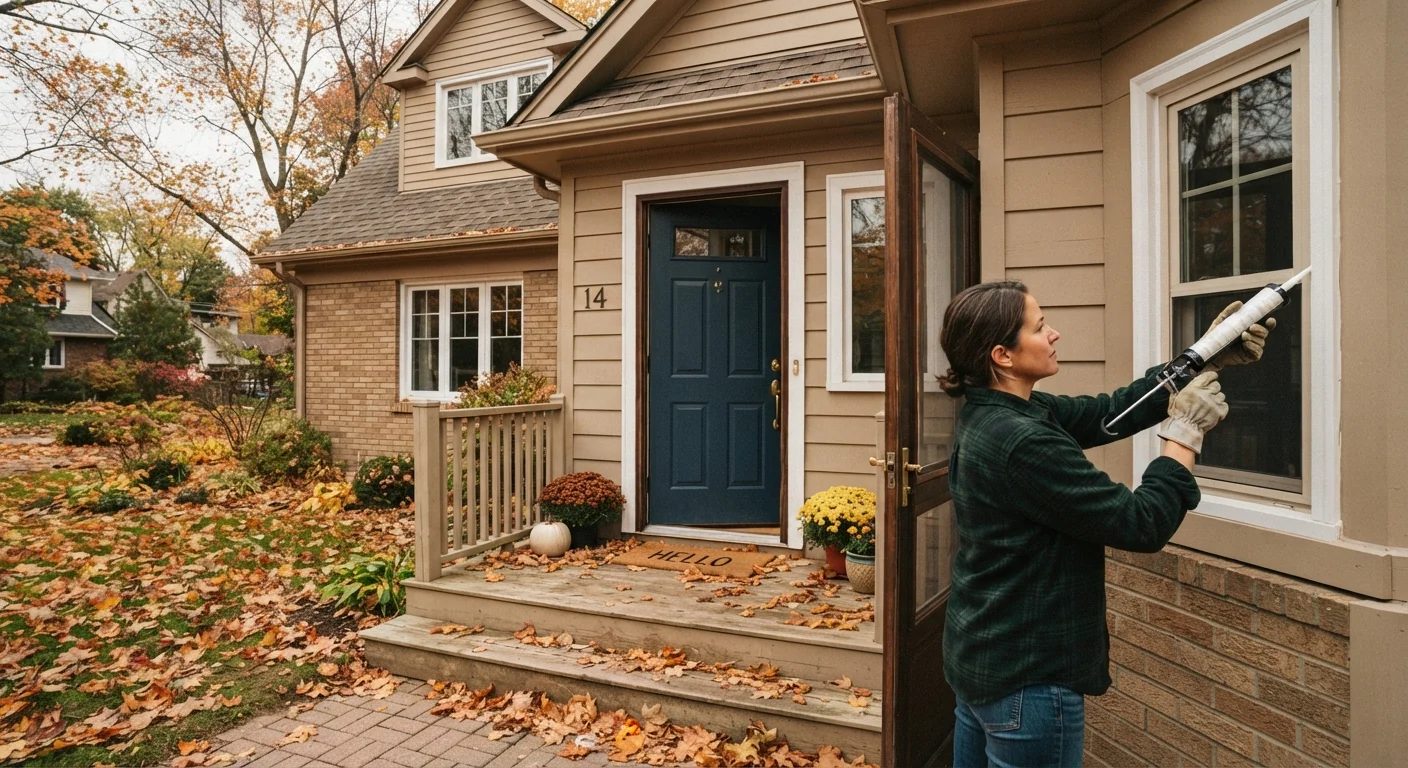
Photo credit: Infolagoon.com | Blogs To Rely On
In this article
Drafty doors, uninsulated pipes, and failing seals are your biggest vulnerabilities. Here's how to address each before temperatures drop.
Key Takeaways
- Air sealing doors and windows is one of the highest-impact weatherproofing steps you can take before winter.
- Uninsulated pipes in unheated spaces are a serious freeze risk and should be addressed before the first cold snap.
- Attic insulation and ventilation work together — fixing one without the other often fails to resolve heat loss.
- Gutters and downspouts need to be clear before winter to prevent ice dams and water infiltration.
- Many weatherproofing tasks are DIY-friendly, but gas lines, electrical work, and structural repairs require a licensed professional.
Start With Air Sealing: Doors, Windows, and Gaps
Drafts are responsible for a substantial share of winter heat loss in most American homes. Before adding insulation or upgrading your heating system, seal the gaps that let cold air in and warm air out. The return on this effort is immediate — you'll likely feel the difference within days.
Focus first on entry doors. Run your hand along the door frame on a cold day; any noticeable airflow means the weatherstripping has worn out or was never properly installed. Foam or V-strip weatherstripping is inexpensive and requires no special tools to apply. Door sweeps at the base of exterior doors are equally important — a gap large enough to see daylight is large enough to lose meaningful heat.
Windows are the next priority. Check the caulk bead where the window frame meets the siding on the exterior, and where the interior trim meets the wall. Cracked, peeling, or absent caulk lets moisture and cold air penetrate. Our article on why caulking fails faster than it should explains the surface prep and product choices that determine how long a repair actually holds.
Don't overlook less obvious penetrations: gaps around pipes, electrical conduit, recessed lighting, and attic hatches are common culprits. Expanding foam sealant handles irregular openings well, and foam backer rod with caulk works for larger gaps around window and door frames.
Test Drafts With a Stick of Incense
On a cold, windy day, hold a lit incense stick near door frames, window edges, electrical outlets on exterior walls, and attic hatches. Smoke that wavers or blows sideways reveals hidden air movement. This low-cost technique identifies gaps that visual inspection alone often misses.
Insulation and Attic Conditions: The Heat Loss You Can't See
Heat rises, and if your attic is poorly insulated or improperly ventilated, you're effectively heating the outdoors. The attic floor (the ceiling of your living space) is where insulation does the most work. Most older homes fall short of current energy code recommendations, and adding insulation there is one of the more cost-effective improvements a homeowner can make.
Insulation and ventilation are interdependent. Adequate soffit and ridge venting prevents moisture buildup and ice dams — but adding insulation without maintaining airflow pathways can trap humidity and damage roof structure. For a clear breakdown of how these systems work together, see our guide on attic ventilation and insulation.
25–30%
Of home heating energy lost through roofs and attics
According to the U.S. Department of Energy, air leaks and inadequate attic insulation account for a significant share of residential heat loss in colder climates.
$5,000+
Average cost of a burst pipe water damage claim
Industry estimates from property insurance data suggest frozen and burst pipe claims are among the most frequent and costly winter home insurance events.
If you suspect significant heat loss but aren't sure where it's originating, a home energy audit — offered by many utility companies at low or no cost — uses a blower-door test to identify leakage points throughout the building envelope.
Protecting Pipes, Gutters, and Exterior Systems
Frozen pipes are one of the most disruptive and expensive winter emergencies a homeowner can face. Pipes in unheated spaces — crawl spaces, attached garages, exterior walls, and uninsulated basements — are the most vulnerable. Foam pipe insulation sleeves are inexpensive and straightforward to install on accessible pipes. For pipes in exterior walls with no realistic insulation access, keeping cabinet doors open during extreme cold allows interior heat to reach them.
Gutters deserve attention before the first freeze. Clogged gutters cause water to back up and freeze at the roofline, forming ice dams that force water under shingles and into your home's structure. Clear gutters and downspouts of leaves and debris, and confirm that downspouts direct water at least several feet away from the foundation.
When to Call a Professional
Weatherproofing tasks like caulking, weatherstripping, and pipe insulation are well within reach for most homeowners. However, work involving gas lines, electrical panels, or structural components should always be handled by a licensed contractor. In many jurisdictions, certain insulation and HVAC upgrades also require permits — check with your local building department before beginning any significant project.
Outdoor hose bibs (spigots) should be shut off at their interior shutoff valve and drained before freezing temperatures arrive. A frozen hose bib can split the pipe behind it inside the wall — a repair that's far more involved than the two-minute shutoff would have been.
This article fits within a broader seasonal maintenance picture. For a full year-round schedule of tasks, see Your Home's Annual Maintenance Calendar.
Putting It Into Practice: Where to Begin Today
Weatherproofing doesn't require a single large project — it's a series of targeted actions that compound in benefit. Prioritize by risk: air sealing and pipe protection prevent immediate damage; insulation upgrades are important but less urgent if your home is already reasonably airtight.
If budget is a constraint, focus on the tasks that prevent the costliest damage first. Our guide to maintaining a home on a tight budget offers a practical triage framework. And keep in mind that deferred weatherproofing rarely saves money — small failures compound over time into expensive structural repairs, as outlined in our piece on the hidden costs of deferred home maintenance.
For any work involving gas lines, electrical systems, or structural components, engage a licensed contractor. Permits may be required for certain insulation or mechanical upgrades — check with your local building department before beginning.
Inspect and replace weatherstripping on all exterior doors before the first freeze.
Worn weatherstripping is one of the most common and easiest-to-miss sources of drafts. A failed door seal lets cold air infiltrate continuously, raising heating costs and reducing comfort throughout the season.
Recaulk exterior window frames and any wall penetrations where the existing caulk is cracked or missing.
Failed caulk allows both air and moisture to enter the building envelope. Moisture infiltration in winter can cause wood rot and mold behind finished surfaces, making this a protection issue as much as an energy one.
Insulate accessible pipes in unheated spaces such as crawl spaces, garages, and exterior walls.
Pipes freeze when exposed to temperatures below 32°F for extended periods. A burst pipe can release significant water into the home before it's noticed, causing damage that often far exceeds the cost of prevention.
Clean gutters and verify downspout drainage before freezing temperatures arrive.
Debris-clogged gutters trap standing water that freezes and expands, creating ice dams that force water under roofing materials. Foundation drainage problems can also worsen when downspouts don't direct water away effectively.
Shut off and drain outdoor hose bibs before temperatures drop below freezing.
Even frost-proof spigots can fail if a hose is left connected, trapping water in the line. The resulting pipe damage typically occurs inside the wall, making it difficult and expensive to repair.

Author
Home & Living Editorial Team
Home & Living Editorial Team is the collective byline for our editorial team and contributor network. Articles published under this byline or an editorial pen name are researched, written, and reviewed according to our editorial standards for clarity, consistency, and independence before publication.
View all articles →