
Your Home's Annual Maintenance Calendar, Season by Season
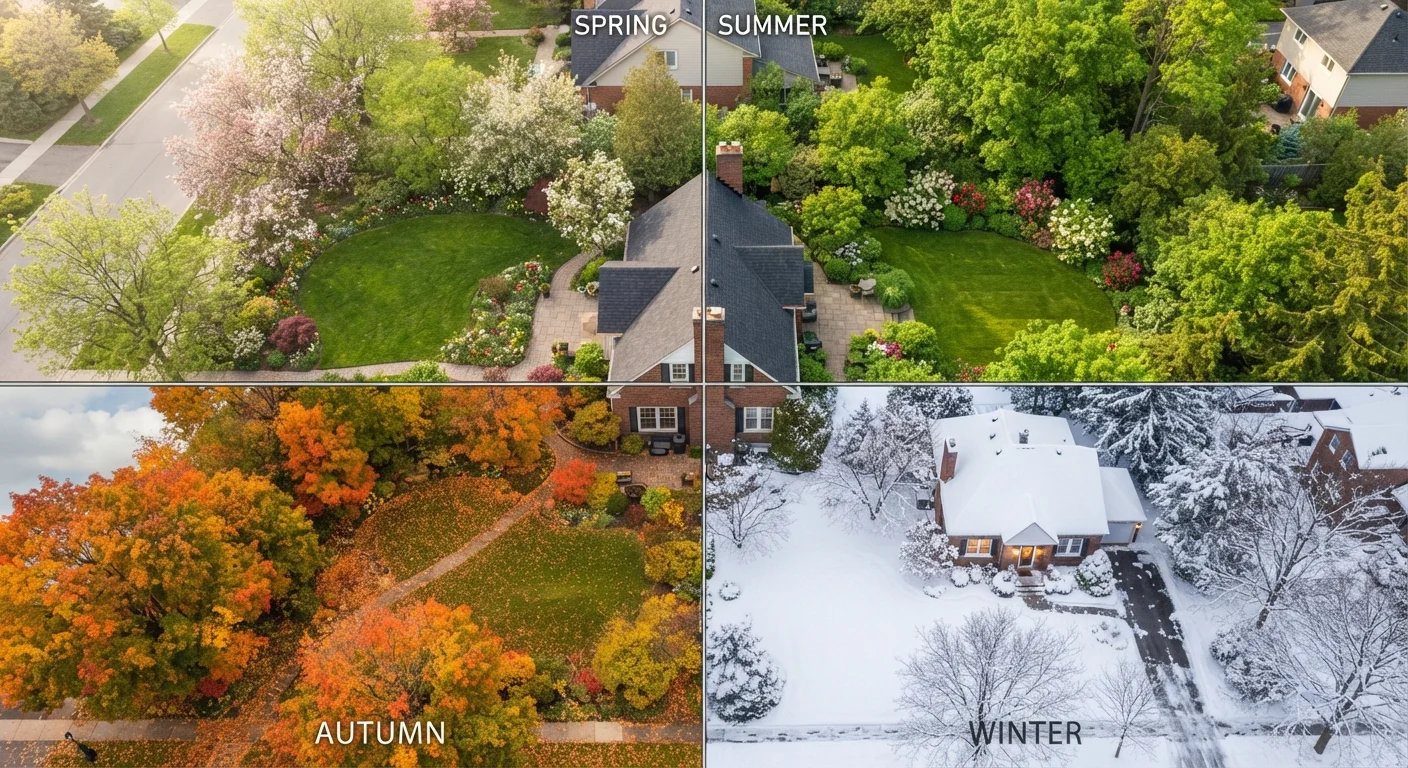
Photo credit: Infolagoon.com | Blogs To Rely On
A practical seasonal breakdown of the upkeep tasks every homeowner should schedule to protect their property year-round.
Key Takeaways
- Seasonal maintenance prevents small issues from becoming expensive structural or system failures.
- Each season has a distinct set of priorities — grouping tasks by season makes scheduling manageable.
- Many maintenance tasks require only basic tools and a few hours of weekend time.
- Some tasks — especially involving roofing, gas lines, or electrical panels — require a licensed professional.
- Skipping routine upkeep consistently leads to compounding repair costs over time.
Why a Seasonal Calendar Beats a Random To-Do List
Home maintenance is easier to sustain when it's tied to the rhythms of the year rather than left as a vague list you revisit when something breaks. A seasonal structure lets you spread labor and costs across twelve months, catch problems when they're still minor, and prepare each major system before it faces peak demand.
The true cost of skipping routine upkeep is rarely obvious in the moment — but small neglected issues compound. A clogged gutter becomes a rotted fascia board. A cracked caulk line becomes a water-damaged wall. Working through a structured calendar helps you stay in front of those chains of events.
Use the checklist below as your master reference. Adjust specific timing based on your climate — a homeowner in Minnesota will winterize earlier than one in Georgia — but the categories apply broadly across the U.S.
Cordless drill and screwdriver set
Needed for tightening hardware, replacing outlet covers, securing loose fixtures, and deck board checks.
Caulk gun and weatherproof caulk
Used for sealing gaps around windows, doors, pipes, and exterior penetrations each season.
Ladder (6-ft and extension)
Required for safely reaching gutters, roof edges, and high exterior surfaces during inspections.
Non-contact voltage tester
Allows safe verification that circuits are de-energized before inspecting outlets, panels, or fixtures — do not skip.
Pipe insulation foam sleeves
Installed on exposed pipes in unheated spaces to prevent freeze damage in cold months.
Replacement HVAC air filters
Swapped out seasonally (or per manufacturer guidance) to maintain airflow efficiency and indoor air quality.
Dryer vent brush kit
Used to clear lint from the full length of the dryer exhaust duct — a fire prevention task, not optional.
Moisture meter
Useful for checking wood surfaces, basement walls, and crawl space framing for hidden water infiltration.
The Season-by-Season Checklist
The 28 items below are organized into four seasonal groups. Work through each group at the start of that season for the best results. Items marked must are non-negotiable for safety and structural protection; should items are strongly recommended; nice-to-have items add value when time and budget allow.
Spring
Summer
Fall
Winter
Know When to Call a Licensed Professional
Several tasks on this list — including roofing repairs, gas appliance servicing, electrical panel work, and chimney inspection — should be performed only by a licensed contractor. Attempting these without proper training or equipment can cause serious injury, property damage, or code violations. Always verify contractor licensing with your state's licensing board and confirm whether a permit is required for any repair or modification.
If budget is a constraint, focus first on the must items — they address safety and prevent the highest-cost damage. For more on smart triage, see our guide to maintaining a home on a tight budget.
Water heater maintenance appears in the fall group, but your schedule may differ depending on your unit type. The upkeep demands for tankless and storage heaters vary considerably — the comparison between tankless and storage water heaters is worth reviewing before you assume one approach fits all.
While you're building seasonal habits at home, the same logic applies to your vehicle. Our seasonal vehicle prep guide covers the parallel adjustments your car needs as temperatures shift.
And if seasonal maintenance inspires a broader reset of your living spaces, pair this calendar with our seasonal decluttering checklist to keep both systems and storage under control throughout the year.
Never Ignore These Three Safety Items
Smoke detectors, carbon monoxide alarms, and GFCI outlets must be tested at minimum once a year — ideally each spring. These three systems are your household's frontline defense against fire, toxic gas buildup, and electrical shock. Replace smoke detectors that are more than ten years old and carbon monoxide alarms that are more than seven years old, regardless of whether they appear to be functioning.

Author
Home & Living Editorial Team
Home & Living Editorial Team is the collective byline for our editorial team and contributor network. Articles published under this byline or an editorial pen name are researched, written, and reviewed according to our editorial standards for clarity, consistency, and independence before publication.
View all articles →