
Maintaining a Home on a Tight Budget: Where to Prioritize
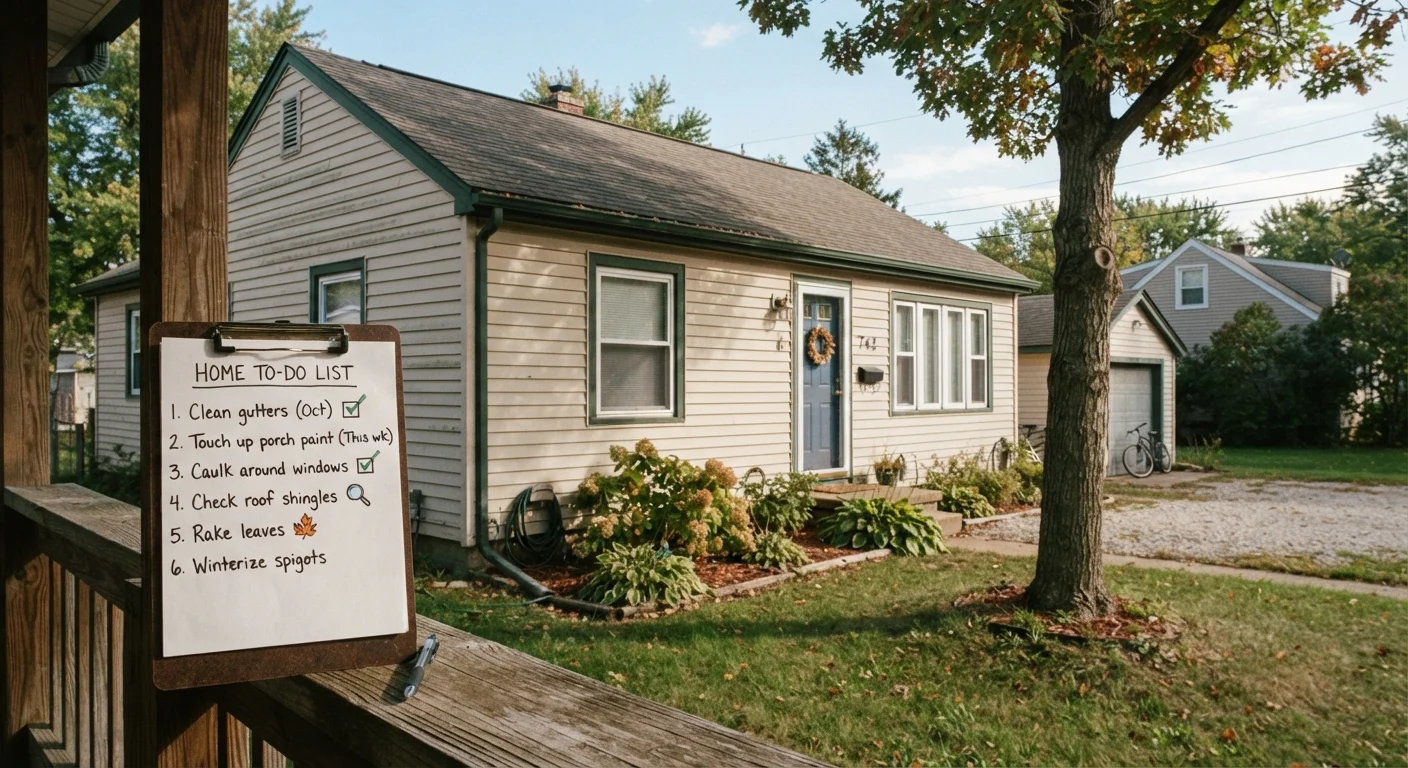
Photo credit: Infolagoon.com | Blogs To Rely On
In this article
When money is limited, maintenance decisions become triage. Here's how to identify which tasks protect safety and prevent the costliest damage first.
Key Takeaways
- Prioritize safety systems and water intrusion above all other maintenance tasks.
- Small, low-cost tasks done consistently prevent far more expensive repairs later.
- Knowing which jobs require a licensed professional protects you from liability and code violations.
- A simple triage framework — safety, then water, then structure, then comfort — keeps spending focused.
- Deferring maintenance is rarely free; most neglected issues compound in cost over time.
Think in Tiers, Not To-Do Lists
When every dollar is accounted for, a long maintenance checklist can feel paralyzing. The solution isn't to ignore everything — it's to sort tasks by consequence. Some failures put lives at risk or cause thousands in damage within days. Others are genuinely cosmetic and can wait a season or two without real harm.
A useful triage order for budget-constrained homeowners looks like this: safety first, water intrusion second, structural integrity third, and comfort or appearance last. Running every task through this filter helps you spend where it counts most.
For a fuller picture of what belongs on your plate throughout the year, see our seasonal maintenance calendar — it breaks tasks down by time of year so nothing gets missed entirely.
The Non-Negotiables: Safety and Water
Two categories of maintenance should never be deferred regardless of budget: anything that affects household safety, and anything that allows water to enter or accumulate where it shouldn't.
Safety-critical tasks
- Test smoke and carbon monoxide detectors monthly; replace batteries at least once a year.
- Check that your HVAC air filter isn't clogged — a blocked filter strains the system and, in gas furnaces, can affect combustion safety. Filters are typically inexpensive.
- Inspect visible gas lines and connections for signs of damage; call your utility immediately if you suspect a leak.
Water intrusion
- Clear gutters and downspouts so water routes away from the foundation. Clogged gutters are a leading cause of basement flooding and fascia rot.
- Inspect roof flashing, window caulking, and door weatherstripping annually. Failed seals let moisture in quietly and destructively.
- Check under sinks and around the water heater for slow drips. Our guide to no-tool plumbing maintenance covers these checks in detail.
The Cheapest Fix Is Always the Timely One
The pattern across nearly every home maintenance scenario is the same: the longer a problem sits, the more it costs to resolve. A failed caulk joint, a slow drain, a slightly loose roof shingle — each is a minor fix when caught early and a major repair when ignored. Building the habit of monthly walkthroughs, even brief ones, is more valuable than any single repair.
These tasks are also where skipping creates the steepest cost curve. Water damage that starts as a $15 tube of caulk can become a $3,000 mold remediation job. The hidden costs of deferred maintenance article explores exactly how that compounding works.
Best Practices for Maintaining a Home on a Budget
With the safety and water tiers covered, the following practices help you sustain everything else without overspending.
Build a $500–$1,000 dedicated maintenance reserve before tackling upgrades.
Home systems fail without warning. A small, ring-fenced fund means a burst hose bib or failed sump pump doesn't force you into high-interest debt or force you to defer safety repairs. Even setting aside $40–$80 a month builds meaningful cushion over a year.
Tackle seasonal weatherproofing before temperatures drop, not after.
Cold-weather failures — frozen pipes, heating breakdowns, ice dams — are among the most expensive and disruptive home repairs. Addressing vulnerabilities in fall, when weather is mild, is far cheaper than emergency remediation in January.
Address any sign of water intrusion within 48 hours.
Mold can begin to establish within 24–48 hours of moisture exposure. Acting quickly — even with a temporary patch while you plan a proper fix — limits the damage window dramatically and keeps repair costs in a manageable range.
Keep a running written log of every repair, inspection, and replacement.
A maintenance log helps you spot patterns (a recurring leak, a filter that clogs unusually fast), plan ahead for aging systems, and demonstrate upkeep history if you ever sell. It costs nothing to maintain.
Replace consumables on schedule rather than waiting for failure.
HVAC filters, water heater anode rods, dryer vent cleanings, and refrigerator door gaskets are low-cost items whose neglect leads to high-cost equipment failures. Replacing them on schedule is almost always cheaper than the repair or replacement they prevent.
Know When DIY Saves Money — and When It Costs More
On a tight budget, the instinct to handle everything yourself is understandable. But some repairs carry licensing requirements, permit obligations, or safety risks that make DIY genuinely more expensive in the long run — through fines, voided insurance, or the cost of correcting unsafe work.
As a general rule: painting, caulking, gutter cleaning, filter changes, and minor carpentry are reasonable DIY territory for most homeowners. Electrical panel work, gas line repairs, structural changes, and anything touching your main plumbing stack typically require a licensed professional. Our article DIY vs. licensed contractor offers a practical framework for drawing that line.
Permits and Local Codes Matter
Many repairs and improvements — including electrical, plumbing, structural, and HVAC work — require permits and inspections in most U.S. jurisdictions. Unpermitted work can create problems when you sell, and may affect your homeowner's insurance coverage. Always check with your local building department before starting work that goes beyond routine maintenance. Requirements vary significantly by city, county, and state.

Author
Home & Living Editorial Team
Home & Living Editorial Team is the collective byline for our editorial team and contributor network. Articles published under this byline or an editorial pen name are researched, written, and reviewed according to our editorial standards for clarity, consistency, and independence before publication.
View all articles →