
The Hidden Costs of Deferred Home Maintenance
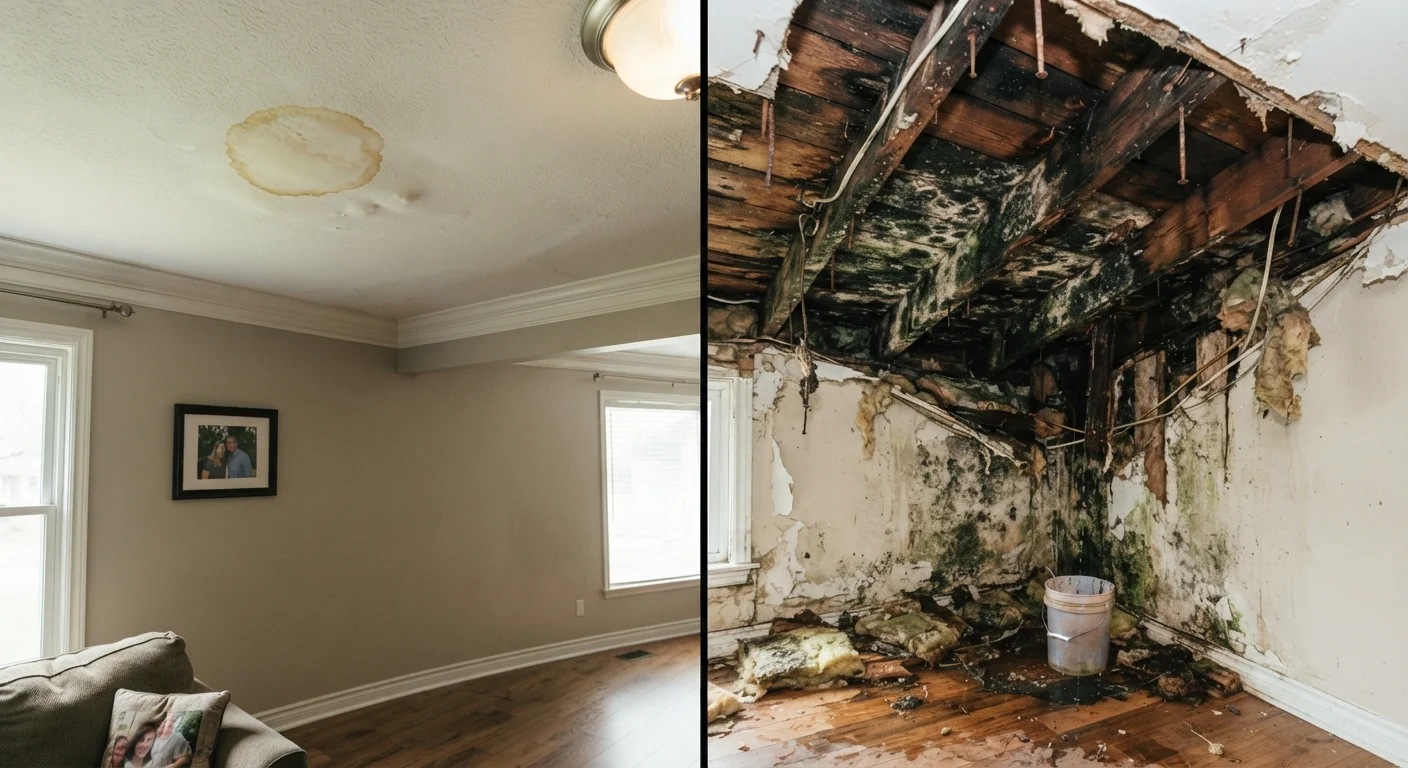
Photo credit: Infolagoon.com | Blogs To Rely On
In this article
Skipping routine upkeep rarely saves money. Learn how small neglected issues compound into expensive structural and system repairs.
Key Takeaways
- Small neglected repairs rarely stay small — they typically escalate into more expensive structural or system failures.
- Water intrusion is the single most damaging category of deferred maintenance in most American homes.
- Routine maintenance costs a fraction of what emergency repairs or replacements typically run.
- Deferred maintenance can reduce a home's resale value and complicate home inspections.
- A simple seasonal checklist approach helps homeowners catch problems before they compound.
Why 'I'll Deal With It Later' Costs More Than You Think
Most home maintenance problems don't announce themselves dramatically. They start small — a hairline crack in grout, a slightly slow drain, a furnace filter that's overdue for a change. It's easy to rationalize postponing these tasks, especially when budgets are tight or schedules are full. But deferred maintenance follows a predictable pattern: small problems grow into larger ones, and the longer they're left unaddressed, the more they cost to fix.
Consider a common scenario: a small gap forms in exterior caulking around a window frame. Left unsealed, water enters the wall cavity during rain. Over one or two seasons, that moisture promotes mold growth and begins rotting the sheathing behind the siding. What started as a $15 tube of caulk and 20 minutes of work can become a $3,000–$8,000 siding and sheathing repair — plus potential mold remediation. The repair cost isn't just higher; the disruption and health implications grow, too.
This compounding effect applies across virtually every home system. The home improvement decisions that protect your investment most reliably aren't dramatic renovations — they're the unglamorous, consistent upkeep tasks that prevent small failures from cascading.
Start a Simple Home Maintenance Log
Keep a basic document — even a notes app on your phone — that records when key systems were last serviced: HVAC filter changed, gutters cleaned, roof inspected, caulking checked. This takes less than five minutes to update and removes the guesswork about what's overdue. Reviewing it at each season change is enough to stay ahead of most issues.
The Systems Most Vulnerable to Neglect
Not all deferred maintenance carries equal risk. Some systems escalate faster and more expensively than others when ignored.
Roofing and Gutters
A missing shingle or a clogged gutter seems minor. But when water backs up under flashing or pools against a fascia board, it creates conditions for rot, ice dams in winter, and eventual interior leaks. Roof repairs caught early — a few missing shingles, resealed flashing — are far less expensive than a full deck replacement or interior water damage restoration.
HVAC Systems
Skipping annual HVAC servicing and neglecting filter replacements reduces system efficiency and shortens equipment lifespan. A system running on a clogged filter works harder, uses more energy, and wears out faster. Replacing a filter costs a few dollars; replacing a furnace or air handler runs into the thousands.
Plumbing
Slow drips under sinks, around toilet bases, or from supply lines often go unnoticed until water damage is visible. By then, subfloor material and cabinetry may already be compromised. Routine checks under sinks and around appliances — especially washing machines and dishwashers — catch these early.
Foundation and Drainage
Poor grading around the foundation or clogged downspout extensions direct water toward the home's base rather than away from it. Over time, this hydrostatic pressure can crack foundation walls and allow moisture infiltration into basements and crawl spaces. Regrading or extending downspouts is a relatively low-cost fix; foundation repair is not.
1%–2%
Recommended annual maintenance spend as share of home value
This widely cited rule of thumb among housing professionals helps homeowners budget for upkeep before problems develop.
~$5,000+
Typical cost range for water damage restoration
Water damage remediation costs vary significantly by extent, but even moderate interior water intrusion often runs into the thousands before structural repairs are factored in.
Up to 10%
Potential reduction in resale value from deferred maintenance
Real estate professionals note that visible deferred maintenance routinely gives buyers negotiating leverage, often translating to price reductions or closing credits.
The Financial Reality: Prevention vs. Remediation
A general rule of thumb among home maintenance professionals is that a home requires roughly 1%–2% of its purchase price in annual maintenance spending to stay in good condition. On a $300,000 home, that's $3,000–$6,000 per year — averaged across seasons and years, not necessarily spent every year.
When that maintenance is deferred, the spending doesn't disappear — it accumulates with interest in the form of more extensive damage. Emergency repairs also carry a premium: after-hours plumber calls, water mitigation crews working on weekends, and expedited contractor scheduling all cost more than planned, scheduled work.
Beyond direct repair costs, deferred maintenance affects household budgets in subtler ways: higher utility bills from an inefficient HVAC system, increased insurance risk if neglect leads to a claimable event, and reduced resale value when inspection reports surface years of deferred items.
Permits and Professional Work Matter
Some deferred repairs — particularly those involving electrical systems, structural elements, or significant plumbing — require licensed contractors and may need permits. Skipping permits on the wrong project can create liability issues and complications at resale. See our guide on permits, inspections, and codes to understand when professional licensure and official sign-off are typically required in your type of project.
Building a Maintenance Habit That Sticks
The most effective approach isn't a single massive catch-up effort — it's building a lightweight, repeatable seasonal routine. A twice-yearly home walkthrough in spring and fall catches most issues in their early stages. Pair that with a simple log of when systems were last serviced (HVAC tune-up, water heater flush, roof inspection) and you have a maintenance system that prevents most of the scenarios described above.
Before winter arrives, pay particular attention to weatherproofing vulnerabilities. Our guide on weatherproofing a home before winter covers the highest-priority areas — drafty doors, uninsulated pipes, and failing seals — in detail.
For homeowners working with limited resources, the key is triage: address anything involving water, fire, or structural risk first. Everything else can be prioritized by escalation speed. Our guide to maintaining a home on a tight budget provides a practical framework for making these decisions when you can't do everything at once.
The bottom line: deferred maintenance is rarely a money-saving strategy. It's a cost-delay strategy — and the delayed cost almost always exceeds what the original repair would have run.
Frequently Asked Questions

Author
Home & Living Editorial Team
Home & Living Editorial Team is the collective byline for our editorial team and contributor network. Articles published under this byline or an editorial pen name are researched, written, and reviewed according to our editorial standards for clarity, consistency, and independence before publication.
View all articles →