
Getting Started with Home Improvement: A Foundation for New Homeowners
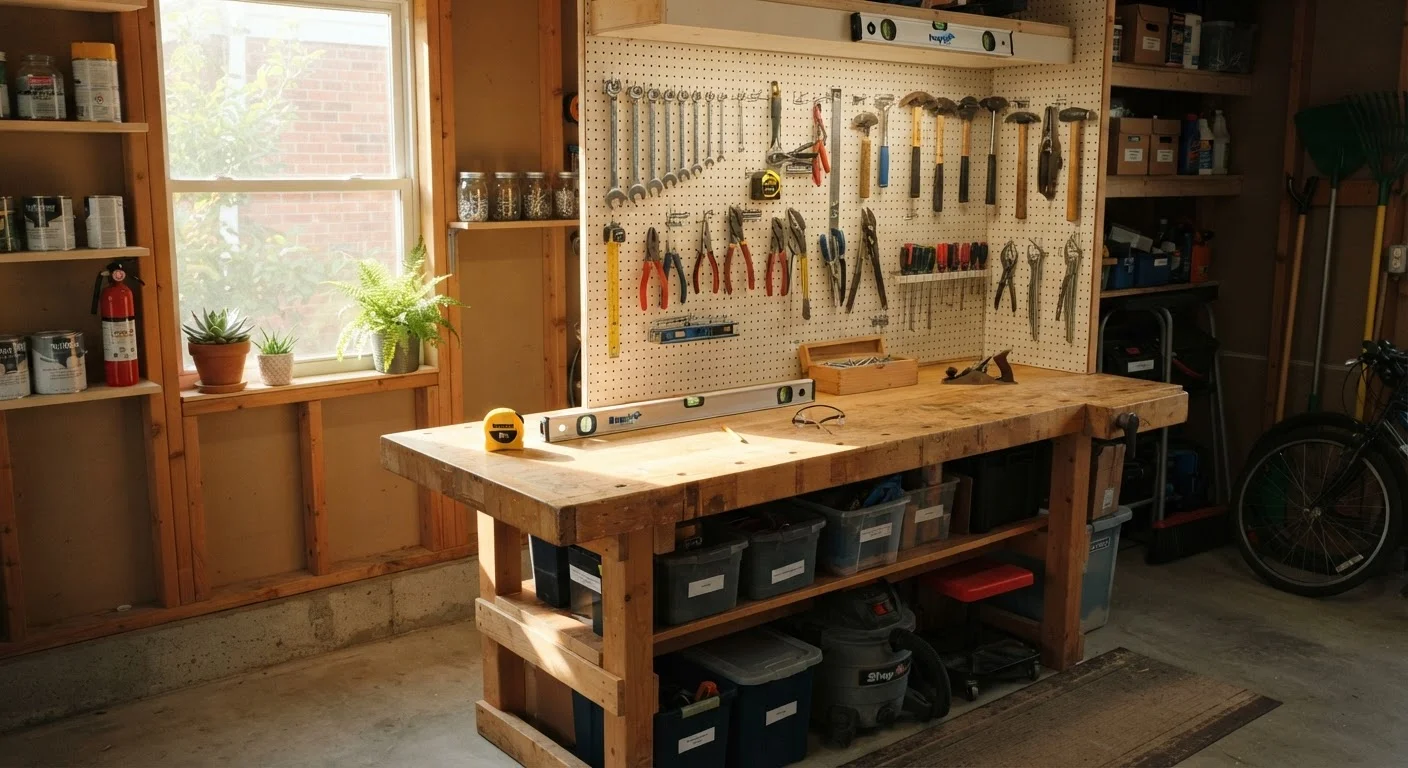
Photo credit: Infolagoon.com | Blogs To Rely On
In this article
New to owning a home? This primer covers essential tools, when to DIY vs. hire out, and how to prioritize repairs without feeling overwhelmed.
Key Takeaways
- Start with safety and structural issues before cosmetic upgrades.
- A basic tool kit of 10–15 items handles the majority of common household tasks.
- Some projects legally require a licensed contractor — knowing the line protects you.
- Deferred maintenance tends to compound into larger, more expensive problems over time.
- Permits aren't bureaucratic red tape — they protect your home's value and safety.
- Skill builds incrementally; every small project makes the next one easier.
Why Home Improvement Feels Overwhelming (And How to Reframe It)
Most new homeowners share a common experience: the moment the keys are in hand, a mental list of everything that needs doing starts forming — and it doesn't stop growing. This feeling is completely normal, and it's worth naming early: home improvement is a long game, not a sprint.
The most useful reframe is to think of your home as a system of interconnected parts, each with its own maintenance rhythm. Rather than trying to fix everything at once, your goal is to understand the systems, learn their warning signs, and address things methodically. A home that's properly maintained rarely throws emergencies — and when it does, a prepared homeowner handles them with far less stress.
Deferred maintenance costs more in the long run, so the objective isn't perfection — it's consistent attention. Even an hour a weekend, focused on the right tasks, adds up significantly over a year.
Load-bearing wall
A wall that supports the weight of the structure above it. Removing or modifying one without professional assessment can compromise structural integrity.
Building code
A set of local or national regulations specifying minimum standards for construction and renovation work, designed to ensure safety and habitability.
Deferred maintenance
Repairs or upkeep tasks that are postponed rather than addressed promptly. Small deferred issues often grow into larger, more expensive problems over time.
Stud
A vertical framing member inside a wall, typically wood or metal, that provides structural support and serves as the anchor point for heavy mounted items.
Permit
Official approval from a local government authority to perform specific construction or renovation work, ensuring it meets safety codes and will be inspected.
Caulk
A flexible sealing compound used to fill gaps and seams around windows, doors, tubs, and showers to prevent water intrusion and air leaks.
Building Your Starter Tool Kit
You don't need a contractor-grade workshop to handle most everyday repairs. A focused starter kit of 10–15 tools will handle the bulk of what comes up in the first few years of ownership.
- Tape measure — the single most-used tool in any home
- Hammer — for picture hooks, minor demolition, and general fastening
- Level — essential for hanging anything straight
- Flathead and Phillips screwdrivers (or a multi-bit set)
- Cordless drill/driver — versatile for assembly, mounting, and fastening
- Utility knife — for scoring, cutting, and opening materials cleanly
- Adjustable wrench and slip-joint pliers
- Putty knife — for patching and scraping
- Stud finder — before mounting anything heavy on a wall
- Flashlight or headlamp — for crawl spaces, attics, and outages
Store tools in a dedicated box or bag so they're always where you expect them. Check out our plain-language guide to DIY measurements and materials when you're ready to start reading project plans or hardware labels with confidence.
Buy Quality for Frequently Used Tools
For tools you'll reach for constantly — a tape measure, cordless drill, or level — it's worth investing in a durable option. Budget versions of high-use tools often wear out quickly or deliver inconsistent results, costing more in the long run. For specialty tools you'll use once, consider borrowing or renting.
How to Prioritize Repairs and Projects
With a running list of things to fix, it helps to sort them into three tiers:
- Urgent: Anything that poses a safety risk or could lead to significant damage if ignored — active leaks, malfunctioning smoke detectors, broken locks, exposed wiring, or pest entry points.
- Important: Issues that aren't emergencies yet but will worsen — a small roof flashing gap, a slow drain, peeling caulk around a shower, or an HVAC filter that's overdue for replacement.
- Nice-to-have: Cosmetic or lifestyle upgrades — repainting a bedroom, swapping cabinet hardware, or adding storage.
Working through urgent items first protects the home and prevents costly surprises. Many homeowners make the mistake of jumping to cosmetic projects before addressing underlying issues, which can actually increase long-term repair costs. See our hub on home maintenance essentials for seasonal checklists and upkeep reminders.
DIY vs. Hiring a Professional
One of the most important skills a homeowner develops isn't a trade skill — it's knowing when not to pick up a tool. The DIY vs. hire-out decision involves three factors: safety, code compliance, and the real cost of a mistake.
Generally safe to DIY (with research and care):
- Painting interior walls
- Caulking tubs, showers, and windows
- Patching small drywall holes
- Replacing outlet covers and switch plates (with power off)
- Installing curtain rods, shelving, and light fixtures (verify compatibility)
- Unclogging drains and replacing faucet washers
Usually warrants a licensed professional:
- Electrical panel work or rewiring
- Gas line connections or appliance hookups
- Structural wall removal or additions
- Roofing beyond minor spot repairs
- Main sewer line or water supply work
Our DIY vs. licensed contractor guide walks through a practical decision framework so you can approach each job with clear eyes.
Never Skip the Power Shutoff
Before any electrical work — even swapping a light switch or outlet cover — turn off the breaker for that circuit and verify it's dead with a non-contact voltage tester. Assuming the power is off is not the same as confirming it. This step takes 60 seconds and prevents serious injury.
Permits, Codes, and Why They Matter
Permits exist to ensure that work meets minimum safety standards — not to generate paperwork. When a permitted project is inspected and approved, you have documented proof that it was done to code. That matters at resale, for insurance claims, and for your family's safety while you're living there.
Common projects that typically require permits include: adding or moving electrical circuits, installing HVAC equipment, building decks or additions, replacing a water heater, and making structural changes. Requirements vary significantly by municipality, so always check with your local building department before starting any significant project.
Learn which projects typically require permits and what to expect from the inspection process before you break ground on anything substantial. Unpermitted work can complicate refinancing, homeowner's insurance claims, and the eventual sale of your home.
Building Confidence Over Time
Home improvement skill is cumulative. The homeowner who patches their first drywall hole nervously often becomes the one confidently retiling a bathroom two years later — simply because they kept going. Each small project teaches material behavior, tool handling, and problem-solving that transfers directly to the next task.
A few principles that help new homeowners grow steadily:
- Document as you go. Photograph your work before and after, especially inside walls. This record is invaluable for future repairs.
- Read before you start. Spend time with manufacturer instructions and local code guidance — most costly mistakes happen at the planning stage, not during execution.
- Accept imperfection. First attempts rarely look professional. That's expected, and it improves.
- Know your limits honestly. Ambition is good; overconfidence on high-stakes projects is not. There's no shame in hiring out something beyond your current skill level.
For homeowners interested in expanding their home's functionality as skills grow, our guide on setting up a smart home for the first time is a natural next step once the basics are in hand.
And if your home projects have surfaced a need for better organization, our room-by-room decluttering foundation pairs well with any renovation or storage upgrade.
Frequently Asked Questions

Author
Home & Living Editorial Team
Home & Living Editorial Team is the collective byline for our editorial team and contributor network. Articles published under this byline or an editorial pen name are researched, written, and reviewed according to our editorial standards for clarity, consistency, and independence before publication.
View all articles →