
Commuting by Car Every Day: An Honest Look at What You're Signing Up For
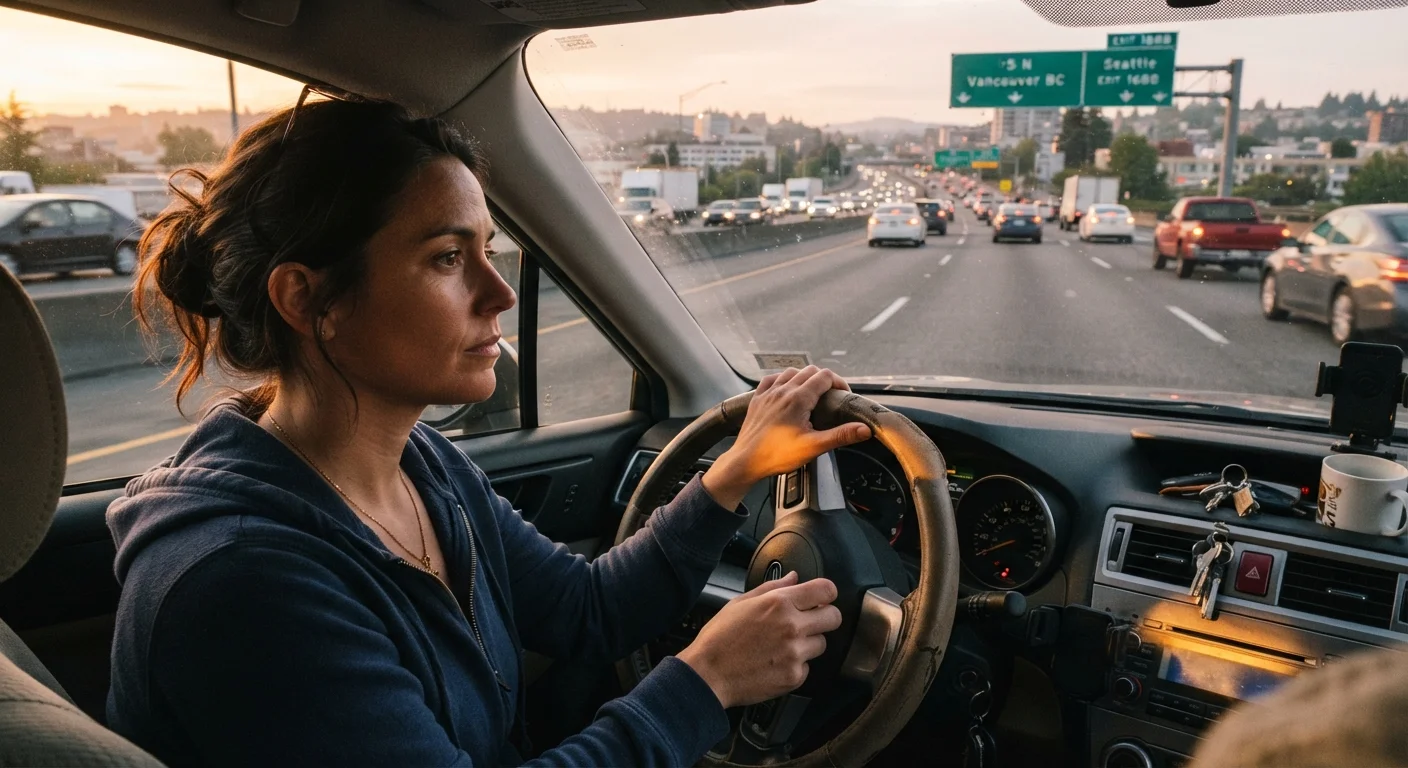
Photo credit: Infolagoon.com | Blogs To Rely On
In this article
Daily driving offers flexibility but comes with real costs to time, health, and money. A balanced breakdown of what long-term car commuting actually involves.
Key Takeaways
- Daily car commuting gives unmatched schedule flexibility but adds significant annual costs.
- The average American commuter spends roughly 27 minutes each way, adding up to over 200 hours per year.
- Fuel, depreciation, insurance, and maintenance together make car commuting one of most expensive transport choices.
- Prolonged daily driving is associated with increased stress and reduced physical activity.
- Small habit changes can meaningfully reduce both the financial and personal toll of driving every day.
Complete control over your departure and arrival times
You leave when you're ready, not when a bus or train schedule dictates. That flexibility matters enormously for parents, shift workers, or anyone with unpredictable hours.
Door-to-door travel with no transfers
Driving takes you from your driveway to your parking spot without switches, layovers, or walking segments in bad weather. In areas with poor transit infrastructure, this is often the only practical option.
Private space for calls, podcasts, or quiet thinking
Your car is one of the few truly private spaces in a busy day. Many commuters use the time productively - hands-free calls, audiobooks, or simply decompressing before and after work.
Ability to run errands en route
Grocery runs, school pickups, and appointments can be folded into the commute naturally, saving a separate trip and consolidating time spent on the road.
Reliable in areas underserved by transit
For suburban and rural commuters, a personal vehicle is often the only realistic way to reach a workplace within a reasonable timeframe.
High and recurring financial cost
AAA estimates the average annual cost of vehicle ownership - including fuel, depreciation, insurance, and maintenance - exceeds $10,000 for many drivers. A significant portion of that is driven directly by commuting miles.
Time lost to traffic and delays
The average one-way commute in the U.S. runs about 27 minutes, according to U.S. Census Bureau data - but congestion can push that much higher. Over a full year, even a moderate commute can consume more than 200 hours.
Linked to higher stress and lower wellbeing
Research consistently associates long commutes with elevated stress, fatigue, and lower job satisfaction. The stop-and-go nature of urban driving is particularly draining.
Sedentary time accumulates quickly
Sitting behind the wheel for an hour or more daily contributes to the broader problem of prolonged sedentary behavior. Commuters who drive have fewer natural opportunities to walk compared with transit users.
Vehicle wear accelerates faster than average
High annual mileage pushes vehicles toward maintenance thresholds sooner - tires, brakes, oil changes, and eventually major components all wear faster when a car does daily highway or stop-and-go duty.
Environmental footprint is substantial
Single-occupancy vehicle trips remain one of the higher per-person sources of transportation emissions. The impact varies by vehicle type and distance but is a genuine consideration for environment-conscious commuters.
What Daily Car Commuting Actually Costs You
The sticker price of your car is the most visible cost of driving to work - but it's far from the only one. Fuel, insurance premiums, routine maintenance, tire replacement, and depreciation all add up in ways that are easy to underestimate when you're focused on the monthly payment.
AAA's annual vehicle ownership research suggests that many drivers spend well above $10,000 per year when every cost is counted. For commuters putting high annual mileage on a vehicle, those costs skew even higher. A closer look at the hidden financial cost of commuting can help you account for factors beyond gas and tolls before making housing or job decisions.
27 min
Average U.S. one-way commute time
According to U.S. Census Bureau American Community Survey data, the national average one-way commute is approximately 27 minutes.
200+ hrs
Annual hours spent commuting
A 27-minute one-way commute, five days a week, 50 weeks per year totals roughly 225 hours - equivalent to more than nine full 24-hour days.
$10,000+
Estimated annual vehicle ownership cost
AAA's annual Your Driving Costs study consistently places average vehicle ownership costs above $10,000 per year when all factors are included.
If you're weighing the true financial picture of vehicle ownership before committing to a daily driving lifestyle, this breakdown of the full cost of buying a car covers every line item from taxes and fees to long-term depreciation. And for commuters thinking about fuel efficiency, the choice of powertrain - gas, hybrid, or electric - has a measurable impact on what you spend per mile.
The Real Advantages of Driving Yourself
Despite the costs, car commuting has genuine strengths that explain why it remains the dominant commute mode in the United States. Flexibility is at the top of that list.
Complete control over your departure and arrival times
You leave when you're ready, not when a bus or train schedule dictates. That flexibility matters enormously for parents, shift workers, or anyone with unpredictable hours.
Door-to-door travel with no transfers
Driving takes you from your driveway to your parking spot without switches, layovers, or walking segments in bad weather. In areas with poor transit infrastructure, this is often the only practical option.
Private space for calls, podcasts, or quiet thinking
Your car is one of the few truly private spaces in a busy day. Many commuters use the time productively - hands-free calls, audiobooks, or simply decompressing before and after work.
Ability to run errands en route
Grocery runs, school pickups, and appointments can be folded into the commute naturally, saving a separate trip and consolidating time spent on the road.
Reliable in areas underserved by transit
For suburban and rural commuters, a personal vehicle is often the only realistic way to reach a workplace within a reasonable timeframe.
For workers in suburbs or rural areas, driving isn't even a lifestyle choice - it's often the only realistic option given the absence of viable transit alternatives. And for commuters who need to make multiple stops, carry equipment, or adapt to irregular schedules, no other mode comes close to matching the practicality of a personal vehicle.
You can also shape the experience to some degree. Small adjustments to how you drive - acceleration habits, tire pressure, route planning - can meaningfully reduce what the commute costs you over the long run.
The Downsides You Need to Take Seriously
Balanced decision-making means looking directly at the drawbacks, not just dismissing them.
High and recurring financial cost
AAA estimates the average annual cost of vehicle ownership - including fuel, depreciation, insurance, and maintenance - exceeds $10,000 for many drivers. A significant portion of that is driven directly by commuting miles.
Time lost to traffic and delays
The average one-way commute in the U.S. runs about 27 minutes, according to U.S. Census Bureau data - but congestion can push that much higher. Over a full year, even a moderate commute can consume more than 200 hours.
Linked to higher stress and lower wellbeing
Research consistently associates long commutes with elevated stress, fatigue, and lower job satisfaction. The stop-and-go nature of urban driving is particularly draining.
Sedentary time accumulates quickly
Sitting behind the wheel for an hour or more daily contributes to the broader problem of prolonged sedentary behavior. Commuters who drive have fewer natural opportunities to walk compared with transit users.
Vehicle wear accelerates faster than average
High annual mileage pushes vehicles toward maintenance thresholds sooner - tires, brakes, oil changes, and eventually major components all wear faster when a car does daily highway or stop-and-go duty.
Environmental footprint is substantial
Single-occupancy vehicle trips remain one of the higher per-person sources of transportation emissions. The impact varies by vehicle type and distance but is a genuine consideration for environment-conscious commuters.
The health dimension is worth particular attention. Extended daily driving reduces the incidental physical activity that transit commuters often accumulate through walking to stops and stations. Commuters concerned about staying active can find practical strategies in our fitness and exercise hub. Separately, the financial drain of commuting is easier to manage when it's tracked explicitly - the budgeting basics hub offers straightforward approaches to monitoring and controlling recurring transport expenses.
This Is General Information, Not Personal Advice
The costs and figures cited here are national averages and estimates. Your actual commuting costs will vary based on your vehicle, local fuel prices, insurance rates, and route. For a detailed picture of your own situation, consider tracking actual monthly expenses. For financial planning decisions tied to your commute, a licensed financial adviser can offer personalized guidance.
It's also worth understanding that not all car commutes are equal. City stop-and-go and open highway driving place different demands on both the driver and the vehicle, affecting stress levels, fuel consumption, and wear patterns differently.
Making the Commute Work Better for You
If daily driving is your reality, the question shifts from whether to how - specifically, how to reduce the drag it puts on your time, wallet, and energy.
Routine matters more than most commuters realize. Consistent departure times, pre-planned routes, and proactive vehicle maintenance can each take real friction out of the daily grind. Building a smarter commute routine from scratch covers the full range of practical strategies - from vehicle prep to route habits - that make driving every day less draining over time.
Some commuters also find that sharing the drive changes the equation. Carpooling versus driving solo is a genuine tradeoff worth considering if flexibility allows, particularly for the cost and stress reductions it can deliver. None of these changes eliminate the inherent costs of car commuting, but they can shift the balance meaningfully in your favor.

Author
Autos & Transport Editorial Team
Autos & Transport Editorial Team is the collective byline for our editorial team and contributor network. Articles published under this byline or an editorial pen name are researched, written, and reviewed according to our editorial standards for clarity, consistency, and independence before publication.
View all articles →