
Ways Commuters Quietly Reduce Fuel Use Without Changing Their Route
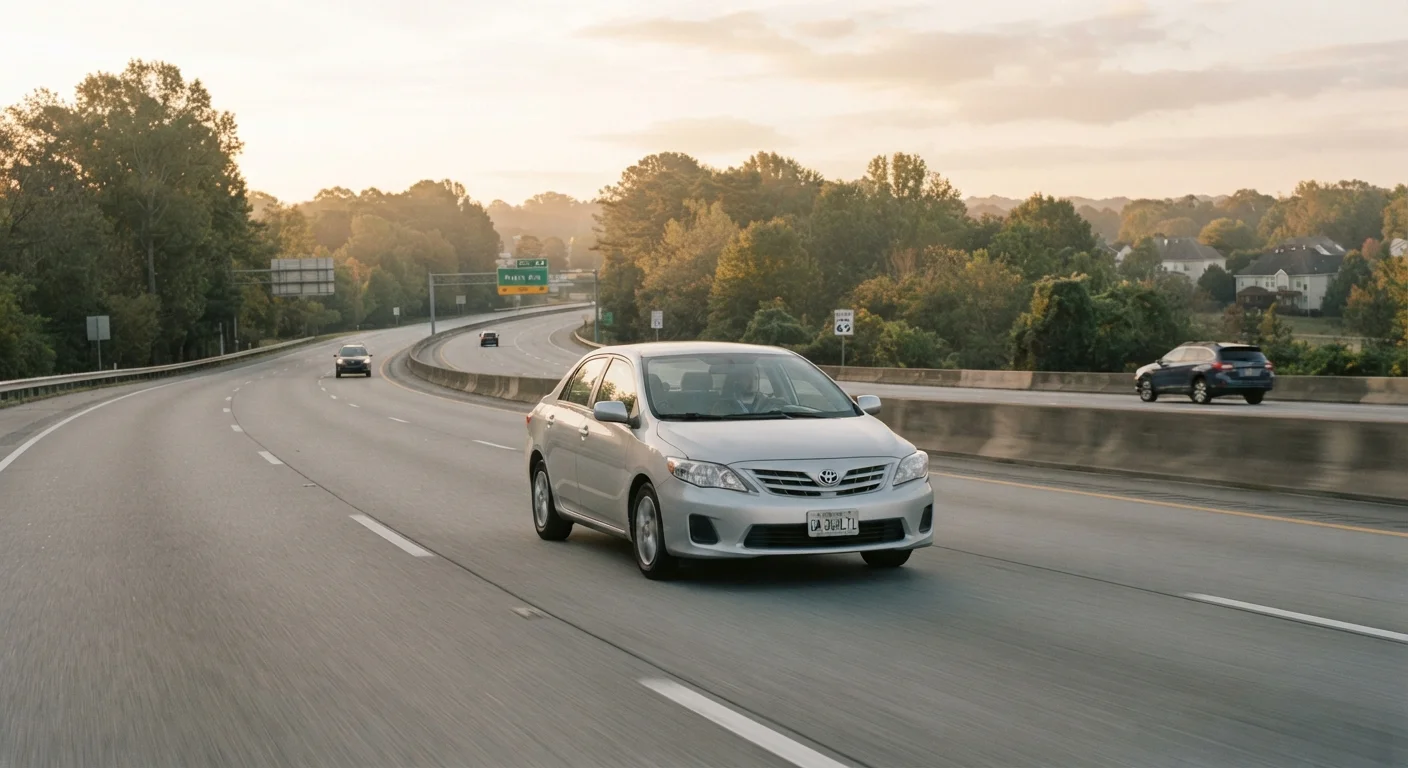
Photo credit: Infolagoon.com | Blogs To Rely On
Small adjustments to acceleration, braking, and vehicle maintenance can meaningfully reduce how much fuel your daily commute burns over time.
Key Takeaways
- Smooth acceleration and gradual braking are among the most effective fuel-saving habits available to any driver.
- Proper tire inflation can measurably improve fuel economy with almost no effort or cost.
- Reducing unnecessary idling and excess vehicle weight are often overlooked but genuinely impactful adjustments.
- Maintaining a steady highway speed - especially using cruise control - helps avoid fuel-wasting speed fluctuations.
- Routine vehicle maintenance keeps fuel systems working efficiently and prevents gradual economy losses going unnoticed.
The Fuel You're Burning Without Realizing It
Most commuters think fuel savings require a route change, a hybrid vehicle, or a dramatic lifestyle shift. In reality, some of the most consistent fuel savings come from small behavioral and maintenance adjustments that fit into the commute you already make. None of these require extra time on the road - just a shift in how you drive and maintain what you already own.
For a fuller picture of what your commute actually costs beyond fuel, see what your commute time is actually costing you. The habits below focus specifically on the fuel side of that equation.
Accelerate gradually from stops
Flooring the accelerator from a red light or stop sign burns a disproportionate amount of fuel in a short time. Gradual, smooth acceleration - building speed over several seconds rather than instantly - allows the engine to operate more efficiently. This is one of the single highest-impact behavioral changes a commuter can make, and it costs nothing.
Gradual acceleration from stops is one of the highest-impact fuel-saving habits available to any driver.
Anticipate stops and coast down early
Rather than accelerating toward a red light and braking hard, lifting off the accelerator early and coasting to a stop uses the vehicle's existing momentum to decelerate. This reduces both fuel consumption and brake wear. Watching traffic two or three cars ahead - rather than just the car in front - gives you the reaction time to do this naturally.
Coasting to stops instead of braking hard saves fuel and reduces brake wear simultaneously.
Keep tires properly inflated
Under-inflated tires increase rolling resistance, which means the engine has to work harder to maintain speed. The U.S. Department of Energy has noted that keeping tires inflated to the vehicle manufacturer's recommended pressure - found on the driver's door jamb sticker - can improve fuel economy. Checking pressure monthly takes about two minutes and costs nothing at most gas stations.
Under-inflated tires quietly increase rolling resistance and force your engine to burn more fuel.
Use cruise control on steady highway segments
Speed fluctuation on the highway - accelerating and decelerating repeatedly - consumes more fuel than maintaining a steady pace. Cruise control eliminates much of this variation on flat, open road. It's most effective on consistent highway segments; on hilly terrain or heavy traffic, manual control is usually more efficient.
Maintaining a steady highway speed with cruise control avoids the fuel cost of constant speed variation.
Reduce unnecessary idling
A running engine consumes fuel even at zero miles per hour. Extended idling - warming up the car longer than needed in modern vehicles, or sitting in a drive-through - adds up across a daily commute. Most modern fuel-injected engines don't require more than 30 seconds of warm-up before gentle driving. If you expect to be stationary for more than a minute or two, turning the engine off is generally more efficient than idling.
Modern vehicles rarely need more than 30 seconds of warm-up - prolonged idling simply burns fuel for no gain.
Remove unnecessary weight from the vehicle
Many commuters carry items in their trunk or back seat that have no reason to be there - sports equipment, tools, bags of donations, cases of water. Extra weight means the engine works harder to accelerate and maintain speed. Clearing out items that aren't regularly used is a simple, one-time adjustment that reduces the load your drivetrain carries every day.
Clearing out cargo you don't need reduces the load your engine carries on every single trip.
Stay on top of air filter and spark plug condition
A clogged air filter restricts airflow to the engine, degrading combustion efficiency. Worn spark plugs cause misfires that waste fuel. Both are relatively inexpensive maintenance items with manufacturer-recommended replacement intervals. Neglecting them allows fuel economy to decline gradually - often without an obvious symptom until the difference is significant. Your owner's manual will specify the service intervals for your vehicle.
Worn spark plugs and clogged air filters silently degrade fuel economy well before any obvious symptoms appear.
Making It Stick Over Time
The habits above work best when they become automatic rather than effortful. Drivers who practice smooth, anticipatory driving tend to find it less tiring than aggressive stop-and-go patterns - a point that connects directly to defensive driving principles that reduce both risk and stress simultaneously.
Track your fuel economy over time
A simple way to know whether these habits are working: log your miles and gallons at each fill-up and calculate miles per gallon manually, or use your vehicle's built-in trip computer if it has one. Watching your average improve over weeks is concrete feedback that behavioral changes are having a real effect. Fuel economy apps can also help if you prefer a digital record.
If you're building a more comprehensive commute routine, these adjustments fit naturally into a broader framework. Our guide on building a smarter daily commute routine covers vehicle prep, planning, and habits in one place. For vehicle-specific upkeep that supports fuel efficiency, car maintenance resources are a useful starting point.

Author
Autos & Transport Editorial Team
Autos & Transport Editorial Team is the collective byline for our editorial team and contributor network. Articles published under this byline or an editorial pen name are researched, written, and reviewed according to our editorial standards for clarity, consistency, and independence before publication.
View all articles →