
What Your Commute Time Is Actually Costing You
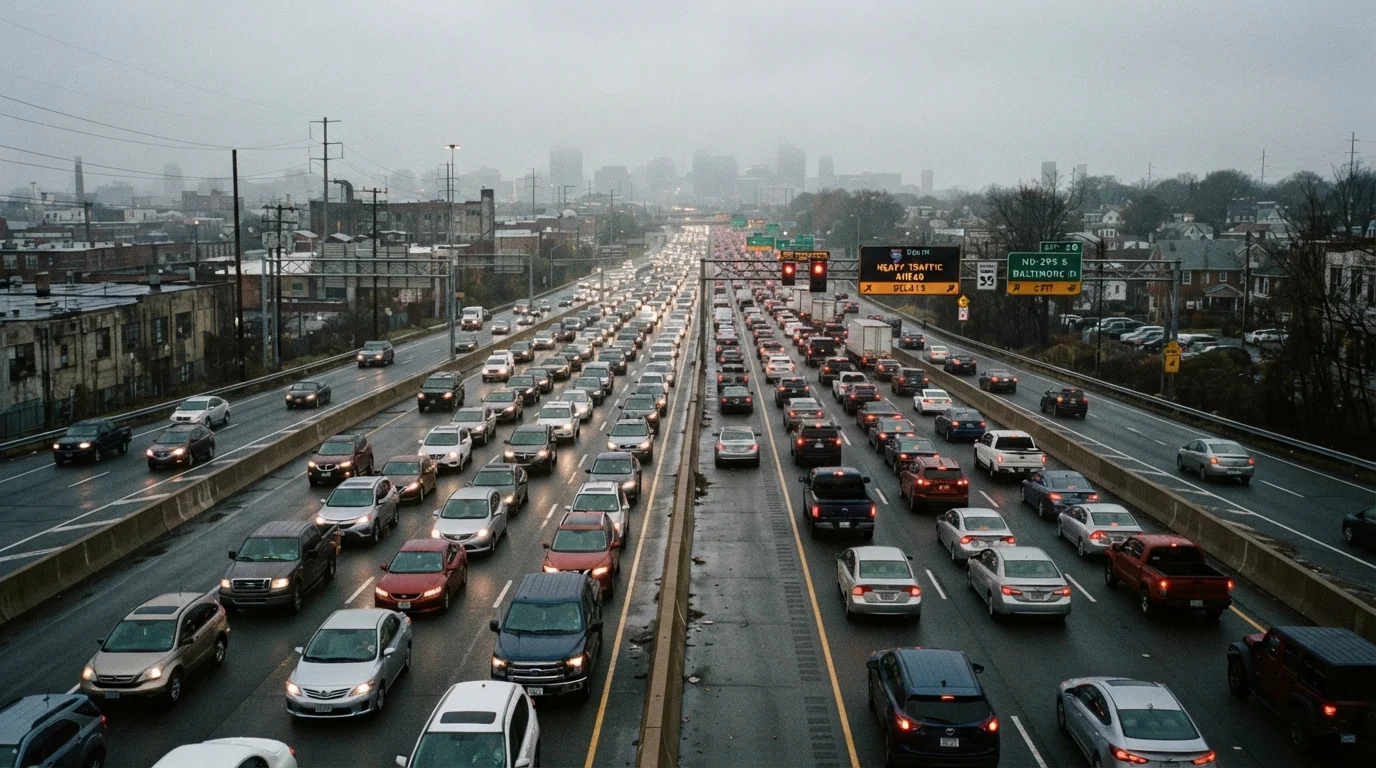
Photo credit: Infolagoon.com | Blogs To Rely On
In this article
Beyond gas and tolls, commuting carries hidden financial and personal costs. Here's how to account for the full picture before making a housing or job decision.
Key Takeaways
- Most commuters only count fuel costs, missing the larger financial picture.
- Time is a real cost - hours spent commuting cannot be recovered.
- Vehicle depreciation accelerates with every mile added by daily commuting.
- Research consistently links long commutes to elevated stress and reduced wellbeing.
- Knowing your true commute cost helps you make smarter housing and job decisions.
The Costs Most Commuters Never Add Up
Ask most people what their commute costs and they'll think about gas. Maybe a monthly parking pass. But the actual financial footprint of a daily commute is substantially wider, and ignoring the full picture leads people to make housing and job decisions based on incomplete math.
The direct costs - fuel, tolls, parking - are visible and easy to track. The indirect ones are where the real money quietly disappears. Vehicle depreciation is one of the largest single costs of car ownership, and commute miles drive it faster. Every 10,000 miles you add to a vehicle reduces its resale value. Oil changes, tire rotations, brake pads, and transmission service all arrive sooner when commute mileage is high.
Insurance is another overlooked factor. Many insurers tier premiums partly by annual mileage. Commuters who log 20,000 miles a year typically pay more than those driving 8,000 - sometimes significantly more. If you've never compared quotes at a lower mileage estimate, you may not realize how much commuting distance is inflating that bill.
~27 min
Average U.S. one-way commute time
According to U.S. Census Bureau American Community Survey data, the average one-way commute for American workers is approximately 27 minutes.
250+ hrs
Annual commute hours for a 30-min each-way commuter
A 30-minute each-way commute, five days a week for 50 weeks, accumulates more than 250 hours per year - over six standard work weeks.
~$0.67
IRS standard mileage rate per mile (2024)
The IRS 2024 standard mileage rate is 67 cents per mile, intended to approximate the full per-mile cost of operating a vehicle including depreciation and maintenance.
For a fuller look at what daily driving actually involves over the long term, see what long-term car commuting really involves.
Time Is a Financial Asset - Treat It Like One
The most undervalued commute cost is time. An American commuting 30 minutes each way, five days a week, spends roughly 250 hours per year in transit - that's more than six standard 40-hour work weeks. At virtually any hourly wage, that's a significant number.
The way to make this tangible: divide your annual commuting time by your effective after-tax hourly rate. The result is a dollar figure representing what that time is worth in labor terms alone. It doesn't mean you'd necessarily be working those hours otherwise, but it reframes the tradeoff clearly.
Try Calculating Your Commute's Hourly Cost
Take your total annual commute time in hours and multiply by your after-tax hourly rate. Add your annual direct commute expenses (fuel, tolls, parking) and a prorated share of vehicle depreciation and extra maintenance. Seeing one combined number often reframes decisions about housing, job offers, and schedule adjustments more sharply than any single cost in isolation.
Time lost to commuting also has compounding personal costs. Hours that might go toward exercise, cooking, sleep, or family obligations get absorbed by the drive. This isn't just a quality-of-life observation - reduced sleep and physical activity have documented effects on cognitive performance and long-term health, which can affect your career and medical expenses over time.
The Stress Premium Nobody Prices In
Traffic congestion doesn't just burn fuel - it generates a measurable stress load. Studies published in peer-reviewed journals have found that commuters who experience unpredictable, congested travel report higher cortisol levels, lower job satisfaction, and more difficulty disengaging from work-related tension at home.
“Commuting is among the activities with the lowest reported emotional affect - ranked below housework and childcare in terms of how enjoyable people find it. The duration and unpredictability of the commute matter as much as the distance.”
— Daniel Kahneman, Nobel Prize-winning behavioral economist, co-author of research on commuting and subjective wellbeing
This matters financially because chronic stress is associated with higher healthcare utilization over time - a cost that's diffuse and delayed but real. It also affects decision-making, productivity, and the mental energy available for everything outside work hours.
If you're evaluating a job offer or a new apartment, factor in what the commute will feel like on a difficult day, not just an average one. Unpredictability is its own cost. See our comparison of rush hour versus off-peak commuting strategies for ways to reduce that unpredictability.
Practical Ways to Reduce the Total Cost
Once you understand what your commute is actually costing, you have a clearer framework for what changes are worth making. A few areas with real leverage:
- Driving behavior: Smooth acceleration and anticipatory braking can meaningfully reduce fuel burn without changing your route. Our fuel-reduction tips for commuters walks through the specifics.
- Sharing the commute: Carpooling cuts per-person fuel and depreciation costs while also reducing solo-driver stress. Weighing carpooling against solo driving involves real tradeoffs worth understanding before committing.
- Housing decisions: A shorter commute can offset a higher rent or mortgage. Run the complete math - miles, time, and vehicle wear - before deciding the farther, cheaper option is actually cheaper.
- Timing shifts: Leaving 30 minutes earlier or later can meaningfully reduce idle time in congestion, protecting both fuel efficiency and your stress levels.
For a structured approach to rethinking your entire commute, see building a smarter daily commute routine. And if commuting costs are prompting a broader look at your monthly budget, the budgeting basics hub covers practical frameworks for tracking where your money goes.
Frequently Asked Questions

Author
Autos & Transport Editorial Team
Autos & Transport Editorial Team is the collective byline for our editorial team and contributor network. Articles published under this byline or an editorial pen name are researched, written, and reviewed according to our editorial standards for clarity, consistency, and independence before publication.
View all articles →