
Crate Training a Dog: Humane Methods and Common Missteps
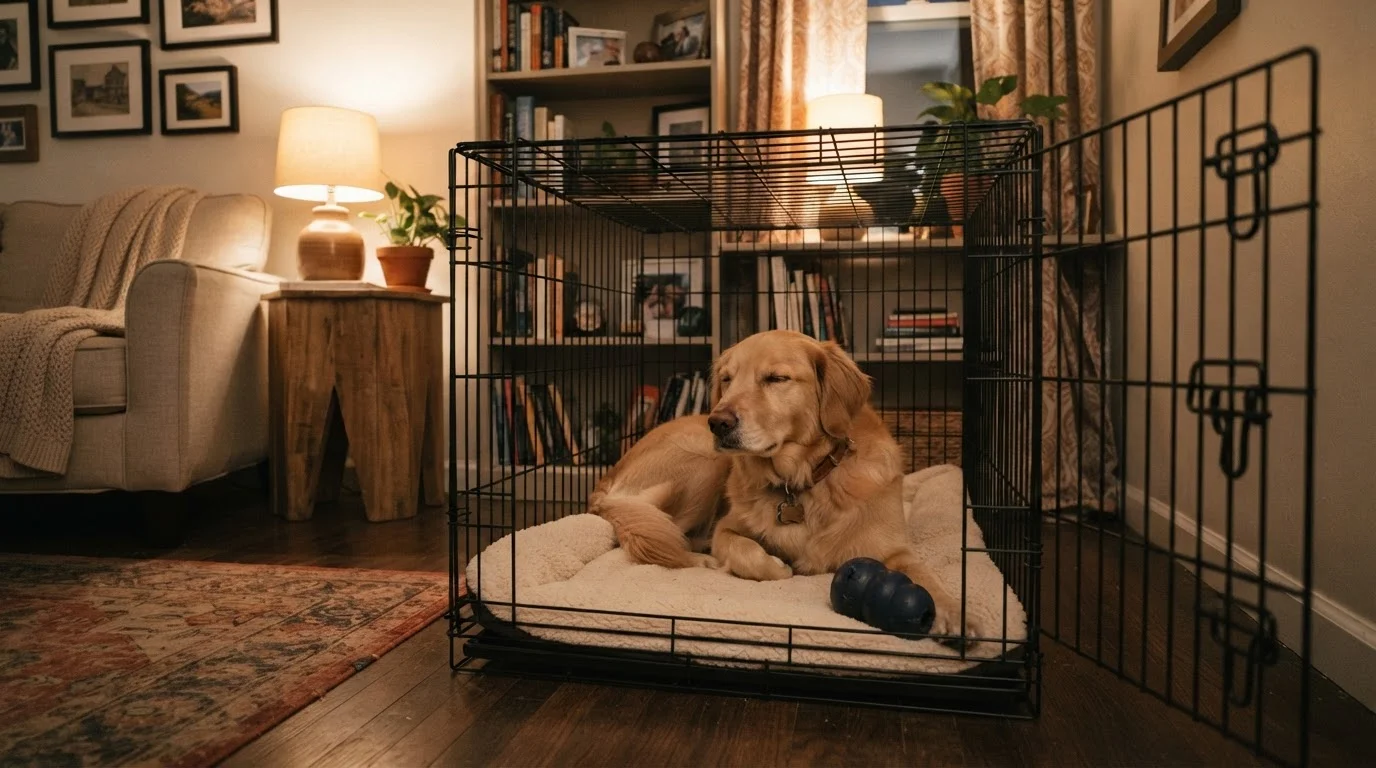
Photo credit: Infolagoon.com | Blogs To Rely On
In this article
Crate training done right creates a safe space for your dog — not a punishment. Learn the step-by-step approach and where owners often go wrong.
Key Takeaways
- A crate should always be introduced as a voluntary safe space, never a punishment.
- Gradual desensitization — not rushing — is the key to lasting crate comfort.
- Dogs should never be crated for longer than they can reasonably hold their bladder.
- Common mistakes like using the crate for time-outs can permanently undermine the training.
- Most dogs can be successfully crate-trained within one to three weeks with consistent effort.
Why Crate Training Works — When Done Right
Dogs are descended from den-dwelling animals, and when introduced properly, a crate taps into a natural preference for enclosed, secure resting spaces. The goal of crate training is not containment for the owner's convenience, but the creation of a genuine refuge the dog seeks out voluntarily. Done well, it also supports building strong early habits for puppies and aids house-training by leveraging a dog's instinct to avoid soiling their sleeping area.
The method described here is grounded in positive reinforcement — rewarding the behavior you want rather than punishing what you don't. If you're new to reward-based training principles, the complete introduction to pet training offers useful foundational context. It is also worth understanding why punishment-based approaches often backfire before getting started — aversive methods can create fear and erode trust.
What you will need
Wire or plastic dog crate
Provides the enclosed space used throughout the training process; size should match the dog's adult dimensions.
Soft crate bedding or mat
Makes the crate comfortable and inviting, encouraging the dog to choose to enter voluntarily.
High-value treats
Used to reward calm, voluntary entry and relaxed behavior inside the crate.
Food-stuffed chew toy (e.g., rubber Kong-style toy)
Gives the dog a positive, long-lasting activity inside the crate to build positive associations.
Crate cover or blanket
Reduces visual stimulation and creates a den-like environment that helps some dogs relax.
Step-by-Step: Introducing and Building Crate Comfort
The following steps move from first introduction through overnight crating. Progress at your dog's pace — some dogs move through all stages in a few days, others need two to three weeks. Rushing is the single most common cause of setbacks.
Place the crate in a social area of your home
Position the crate in a room where your family spends time — a living room or bedroom works well. Dogs are social animals, and isolation during the introduction phase increases anxiety. Leave the crate door open and allow your dog to investigate at their own pace without any pressure to enter.
Introduce the crate with treats and encouragement
Begin tossing small, high-value treats near the crate entrance, then progressively closer to the inside. Do not push or lure the dog forcefully. Let the dog move at their own pace. Over several short sessions (5–10 minutes each), the goal is simply for the dog to voluntarily step inside to retrieve a treat.
Feed meals near and eventually inside the crate
Once your dog is comfortable approaching the crate, begin placing their food bowl just inside the entrance, then gradually move it toward the back over successive meals. Eating inside the crate builds a strong, durable positive association because food is a primary motivator for most dogs.
Begin closing the door for short intervals
Once your dog is eating comfortably with the full body inside the crate, begin gently closing the door while they eat. Open it before they finish their meal. Gradually increase the time the door stays closed across multiple sessions, always releasing the dog while they are calm — not while they are whining or pawing.
Gradually extend crate time while you remain home
Work up to periods of 10, 20, then 30 or more minutes with the door closed while you are present in the home. Use a food-stuffed chew toy to give the dog something constructive to do. Vary the timing so the dog does not learn to anticipate a fixed release time — this builds general crate tolerance rather than a countdown mentality.
Practice departures and overnight crating
Once your dog is settled for 30+ minutes with you present, begin practicing short departures. Leave without dramatic goodbyes, return calmly, and gradually extend the time away. For overnight crating, place the crate in or near your bedroom initially — proximity to you reduces nighttime distress, especially for puppies. Move the crate to its permanent location incrementally once the dog is comfortable.
Cover the Crate for a Den-Like Feel
Draping a blanket or crate cover over the sides and top (while leaving the door open for airflow) can make the space feel more enclosed and den-like for many dogs. Some dogs settle more quickly in a covered crate because it reduces visual stimulation and feels more secure.
Crating Is Not a Substitute for Exercise
Even a well-crate-trained dog needs adequate daily exercise and mental stimulation. Extended crating without sufficient activity can lead to frustration, destructive behavior, and stress. Always ensure your dog's physical and social needs are met outside of crate time.
Common Missteps That Undermine Crate Training
Even well-intentioned owners make mistakes that stall or reverse progress. Here are the most frequent ones to avoid:
- Crating too long too soon. Adult dogs generally should not be crated for more than four to five hours at a stretch during the day. Puppies have significantly less bladder control — a rough guideline is one hour per month of age, plus one. Exceeding these limits creates stress and can cause house-training regression.
- Releasing the dog while they're vocalizing. If you open the crate in response to whining, you teach the dog that whining works. Wait for even a brief pause in vocalization before opening the door.
- Skipping the gradual introduction. Placing a dog in a crate and shutting the door before they're comfortable is a fast path to crate aversion. The desensitization steps above are not optional shortcuts — they are the training.
- Using the crate reactively. Dogs that are crated only during owner absences may learn to associate the crate with being left alone. Crating your dog briefly while you're home removes that association.
Never Use the Crate as Punishment
Sending a dog to the crate when you're angry or as a consequence for misbehavior teaches the dog to associate the space with negative emotions. This can make the dog fearful of the crate and set back training significantly. Keep the crate experience consistently positive.
Dogs with significant separation anxiety may struggle with standard crate training approaches and may benefit from guidance from a certified applied animal behaviorist or veterinary behaviorist. The crate alone does not resolve underlying anxiety and can sometimes intensify it if introduced without addressing the root issue.
For broader context on how dogs respond to training compared with other pets, see our overview of training differences between dogs and cats. And once crate training is underway, pairing it with core obedience commands builds a more complete foundation for a well-adjusted dog.
This article is for general informational purposes only and does not constitute veterinary or behavioral health advice. If your dog shows signs of extreme distress, fear, or anxiety related to crating, consult a licensed veterinarian or certified animal behaviorist.

Author
Pets & Animals Editorial Team
Pets & Animals Editorial Team is the collective byline for our editorial team and contributor network. Articles published under this byline or an editorial pen name are researched, written, and reviewed according to our editorial standards for clarity, consistency, and independence before publication.
View all articles →