
Teaching Basic Commands: The Core Skills Every Dog Should Know
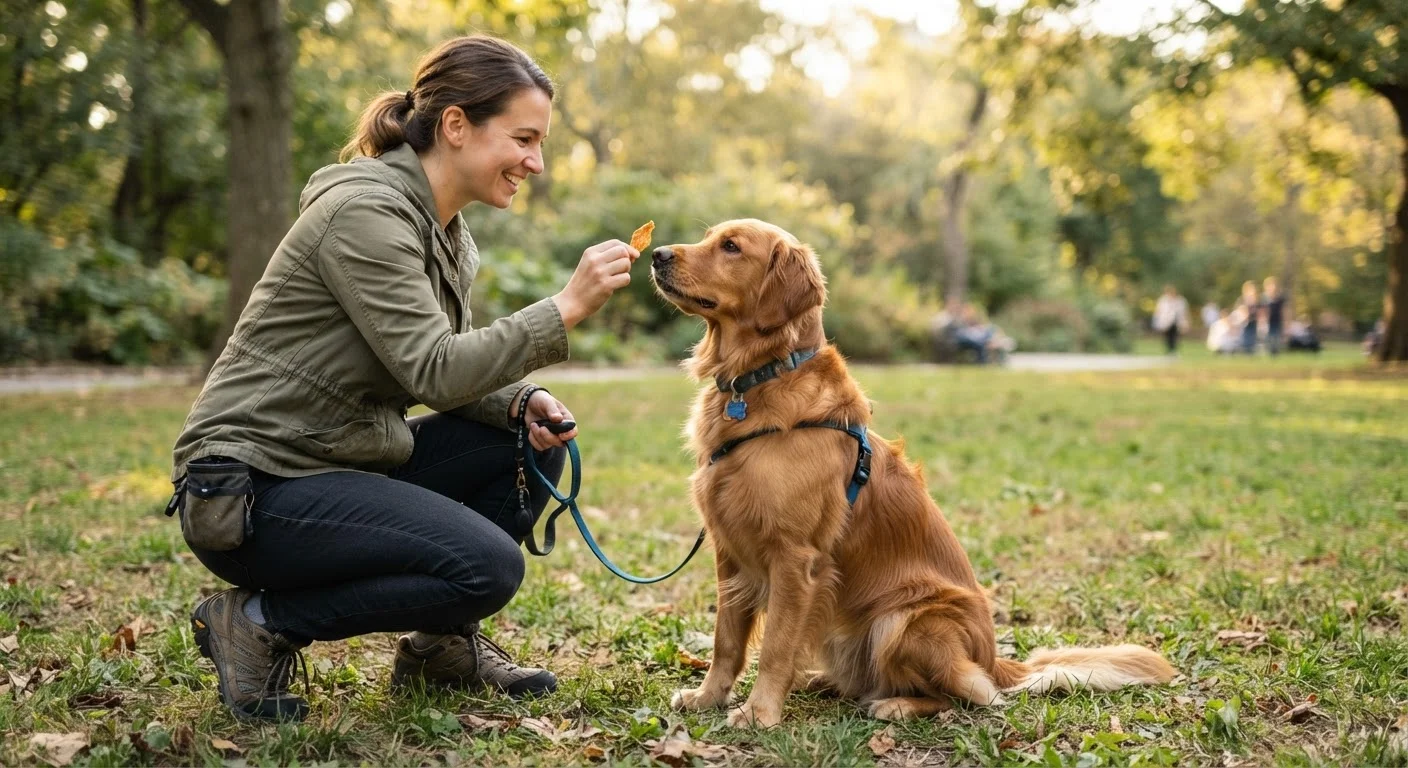
Photo credit: Infolagoon.com | Blogs To Rely On
In this article
Sit, stay, come, leave it — these foundational commands underpin a safe, cooperative relationship with your dog. Here's how to teach each one clearly.
Key Takeaways
- Short, consistent training sessions of 5–10 minutes are more effective than infrequent long ones.
- Positive reinforcement — rewarding desired behavior — is the most humane and evidence-backed training approach.
- The four core commands every dog should learn are sit, stay, come, and leave it.
- A dog that responds reliably to these commands is meaningfully safer in everyday situations.
- Puppies and adult dogs can both learn these commands; patience and consistency are the key variables.
Why These Four Commands Matter
Basic obedience training is not about dominance or control — it's about communication. When your dog understands what you're asking and trusts that good things follow compliance, you build a cooperative partnership grounded in mutual clarity.
The four commands covered here — sit, stay, come, and leave it — are considered foundational by animal behavior professionals because they address the most common real-world safety scenarios. A reliable recall (come) can prevent a dog from running into traffic. Leave it can stop them from ingesting something toxic. Stay keeps them calm and in place when visitors arrive or during veterinary exams.
If you're starting from scratch, our complete introduction to pet training covers the broader principles behind how dogs learn. If you've recently brought a puppy home, your first week with a new puppy explains how to build good habits from day one.
What you will need
Step-by-Step: Teaching Each Command
Each command follows the same basic structure: lure or prompt the behavior, mark it the moment it happens (with a word like "yes" or a clicker), then reward. Keep sessions to 5–10 minutes, and end on a successful repetition so your dog finishes with a positive experience.
Teach Sit
Hold a treat close to your dog's nose, then slowly move your hand upward. As their nose follows the treat, their hindquarters will naturally lower. The moment their bottom touches the floor, say "sit" clearly, then immediately reward and praise. Repeat 5–8 times per session.
Teach Stay
Ask your dog to sit. Open your palm toward them and say "stay." Take one step back, pause one second, then step forward and reward before they move. Gradually increase distance and duration in small increments — only add one variable (distance, duration, or distraction) at a time.
Teach Come
With your dog on a long leash in a low-distraction environment, crouch down, open your arms, and say "come" in a cheerful tone. When they reach you, reward generously. Never call your dog to you for something unpleasant (a bath, nail trim, or crate) — this erodes the association.
Teach Leave It
Place a treat in your closed fist and present it to your dog. When they sniff, paw, or lick your hand, wait calmly. The moment they pull back or look away, say "yes" and reward with a different treat from your other hand — not the one they were investigating. Gradually progress to treats on the floor covered by your foot, then uncovered.
Timing Is Everything in Training
The reward must follow the desired behavior within one to two seconds to be meaningfully connected to it in your dog's mind. If you reach for a treat after a delay, you may be rewarding whatever the dog is doing at that moment — not the sit or stay you intended. Prepare your reward hand before giving the cue so you're ready to deliver immediately.
Pay close attention to your dog's posture and engagement throughout each session. Yawning, turning away, or repeated failure can signal stress or fatigue — not stubbornness. Our guide on reading pet body language during training can help you interpret these signals accurately.
Common Mistakes and How to Avoid Them
Even well-intentioned owners can inadvertently slow their dog's progress. The most common errors include:
- Repeating the command multiple times before the dog complies — this teaches the dog to wait for the third or fourth repetition rather than respond on the first.
- Inconsistent cues — using "come," "come here," "get over here," and "c'mon" interchangeably confuses dogs. Pick one word and stick to it.
- Rewarding too late — the reward must follow the correct behavior within 1–2 seconds to be associated with it meaningfully.
- Skipping proofing — a dog that sits reliably in the kitchen may not respond in the park. Gradually practice in new environments with mild distractions before increasing difficulty.
Avoid Punishment-Based Corrections
Physical corrections, leash jerks, or verbal scolding during basic command training can increase anxiety and undermine trust without improving learning outcomes. Evidence-based training relies on reinforcing what you want, not punishing what you don't. If a session is going poorly, end it calmly and try again later rather than escalating pressure.
For dogs working through behavioral challenges alongside basic training — such as anxiety — see our overview of separation anxiety in dogs. And if you're wondering whether your older dog can still learn these skills, the answer is yes — training older pets explains what, if anything, needs to change in your approach.
This article is for general informational and educational purposes. For dogs showing significant behavioral problems, aggression, or anxiety, consult a certified professional dog trainer or veterinary behaviorist.

Author
Pets & Animals Editorial Team
Pets & Animals Editorial Team is the collective byline for our editorial team and contributor network. Articles published under this byline or an editorial pen name are researched, written, and reviewed according to our editorial standards for clarity, consistency, and independence before publication.
View all articles →