
Separation Anxiety in Dogs: What It Is and How Training Can Help
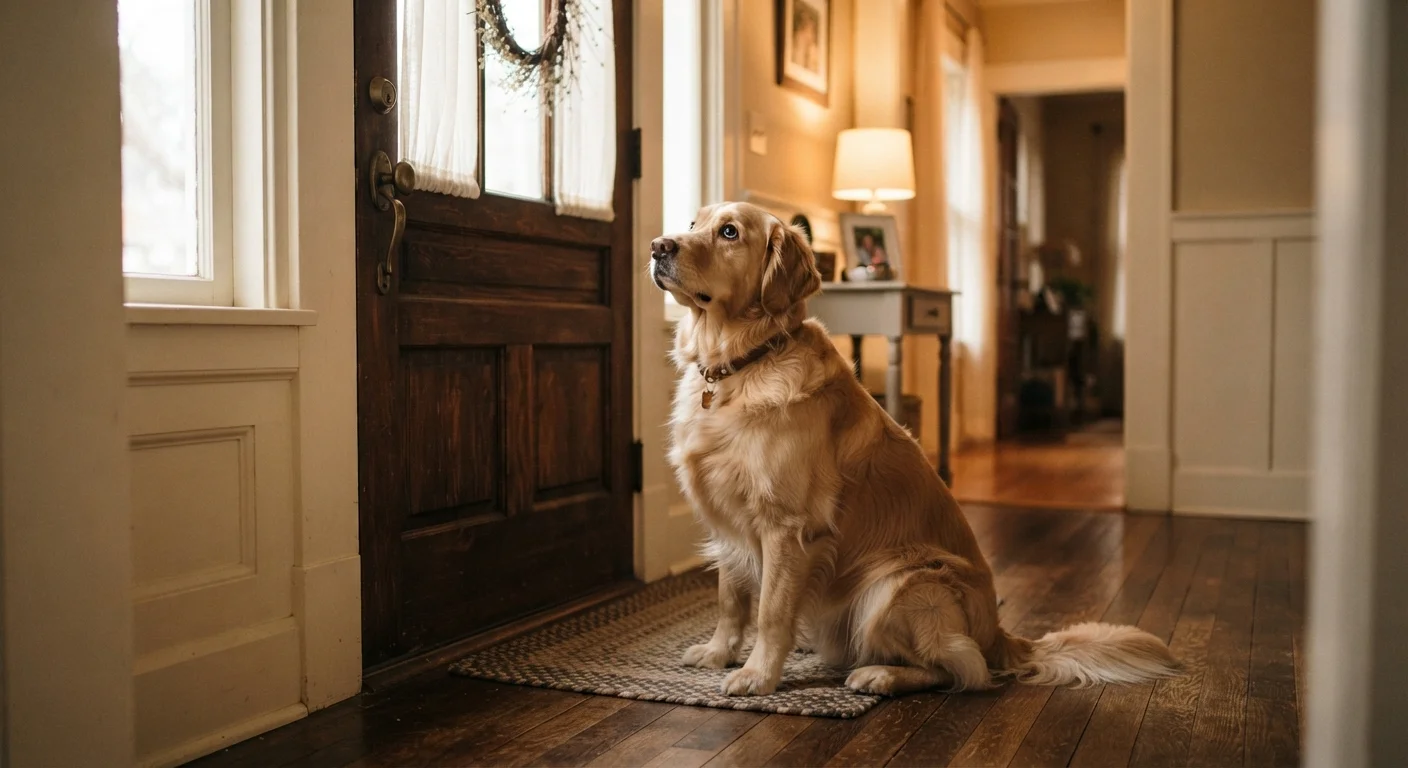
Photo credit: Infolagoon.com | Blogs To Rely On
In this article
Separation anxiety is one of the most misunderstood behavioral issues in dogs. Learn what it actually involves and what behavioral strategies are used to address it.
Key Takeaways
- Separation anxiety is a genuine stress response, not disobedience or spite.
- Common signs include destructive behavior, excessive barking, and house soiling that only occur when the dog is alone.
- Desensitization and counterconditioning are the most evidence-supported behavioral approaches.
- Severe cases may benefit from consultation with a veterinary behaviorist, including possible medication.
- Gradual, patient training — not punishment — is the foundation of effective treatment.
What Separation Anxiety Actually Looks Like
Separation anxiety is frequently misdiagnosed — and just as frequently misunderstood. Owners often report that their dog is "being bad" or "acting out of spite," when the behavior is actually an involuntary stress response the dog cannot control through willpower alone.
The hallmark of true separation anxiety is that the problematic behaviors occur specifically in the context of being left alone or separated from a key attachment figure. Common signs include:
- Destructive behavior concentrated near doors, windows, or exit points
- Excessive barking, howling, or whining that begins shortly after departure
- House soiling in a dog that is otherwise reliably housetrained
- Frantic pacing, drooling, or trembling
- Attempts to escape, sometimes resulting in self-injury
If these behaviors happen consistently when you leave but not when you're home, separation anxiety is a likely explanation. Recording your dog with a camera or smartphone while you're away can provide invaluable clarity. See our article on recognizing stress in pets for a broader look at anxiety-related cues across species.
Separation Anxiety vs. Isolation Distress
These two conditions look similar but have an important difference. True separation anxiety is triggered by the absence of a specific attachment figure — usually one person. Isolation distress occurs any time the dog is left completely alone, regardless of who is or isn't present. The distinction matters because it shapes how a training program should be designed. A veterinary behaviorist can help clarify which pattern your dog is showing.
Why Dogs Develop Separation Anxiety
Separation anxiety doesn't arise from a single cause. Research in animal behavior points to a combination of genetic predisposition, early life experience, and environmental factors. Rescue dogs and dogs with unstable early histories are sometimes more prone to the condition, though it can develop in dogs from stable homes as well.
Common triggers or contributing factors include:
- A sudden change in routine — returning to work after an extended period at home, for example
- A major household change such as a move, a new baby, or the loss of another pet
- Inadequate early socialization or prior trauma
- Over-reliance on constant owner presence during a dog's formative period
Understanding the likely origin of the anxiety doesn't change the training approach dramatically, but it can help owners approach the problem with more patience and realistic expectations. If you're newer to dog training overall, foundational training concepts provide useful context before beginning an anxiety-specific program.
Behavioral Strategies That Help
The most evidence-supported approaches for separation anxiety involve two core behavioral techniques: desensitization and counterconditioning.
Desensitization means gradually exposing the dog to the triggers of anxiety — in this case, the cues that predict departure — at a low enough intensity that the dog doesn't enter a stressed state. This might begin with simply picking up your keys, then putting them down, then leaving for 30 seconds, then two minutes, slowly building duration over many sessions.
Counterconditioning pairs those same departure cues with something the dog values — a high-reward treat or puzzle toy — to shift the dog's emotional association from dread to something neutral or even positive.
These techniques require consistency, patience, and very gradual progression. Moving too quickly is one of the most common mistakes owners make. Crate training done humanely can be incorporated for dogs who find their crate comforting, but it should never be used as a containment solution for a dog in full anxiety distress.
Start Smaller Than You Think You Need To
One of the most effective adjustments owners can make is dramatically shortening initial departure durations — sometimes to just a few seconds. The goal is to keep the dog below the threshold of stress so the training session ends as a positive experience. If your dog is already anxious when you return, the session was too long. Tiny, repeated successes are more productive than longer sessions that tip into distress.
When to Seek Professional Support
Mild separation anxiety often responds well to owner-led training programs. Moderate to severe cases — particularly those involving self-injury, extreme destruction, or no improvement after consistent effort — warrant professional support.
A certified applied animal behaviorist (CAAB) or a veterinary behaviorist (DACVB) can provide a structured behavior modification plan tailored to your dog's specific profile. In some cases, a veterinarian may also discuss whether anti-anxiety medication could support the behavioral training process. Medication is generally considered a complement to training, not a replacement for it.
~17%
Dogs estimated to have separation anxiety
Behavioral research suggests roughly 14–20% of dogs presented to veterinary practices show some degree of separation-related distress.
No. 1
Most common reason owners seek behavioral help
Separation anxiety is consistently cited among the leading behavioral reasons dog owners consult veterinary behaviorists or certified trainers.
Weeks to months
Typical timeframe for meaningful improvement
Behavior modification for separation anxiety generally requires sustained effort over several weeks to months; rapid improvement is uncommon with moderate to severe cases.
Basic obedience and a strong cooperative relationship with your dog can also help create the foundation for anxiety work. Skills like staying calmly in place are a starting point — our article on teaching basic commands covers the groundwork. For context on how dogs learn compared to other species, understanding canine learning is also a helpful read.
“Behavior modification for separation anxiety requires that we work below the dog's anxiety threshold at every step. Any session that triggers a full anxiety response can set the program back significantly — patience and precision matter more than speed.”
— Karen Overall, Veterinary behaviorist and author of clinical manuals on animal behavior
This article is for general informational purposes only and does not constitute veterinary or behavioral advice. If your dog is showing signs of significant distress, consult a licensed veterinarian or certified animal behaviorist for guidance tailored to your pet's individual needs.
Frequently Asked Questions

Author
Pets & Animals Editorial Team
Pets & Animals Editorial Team is the collective byline for our editorial team and contributor network. Articles published under this byline or an editorial pen name are researched, written, and reviewed according to our editorial standards for clarity, consistency, and independence before publication.
View all articles →