
Pet Training From the Ground Up: A Complete Introduction for New Owners
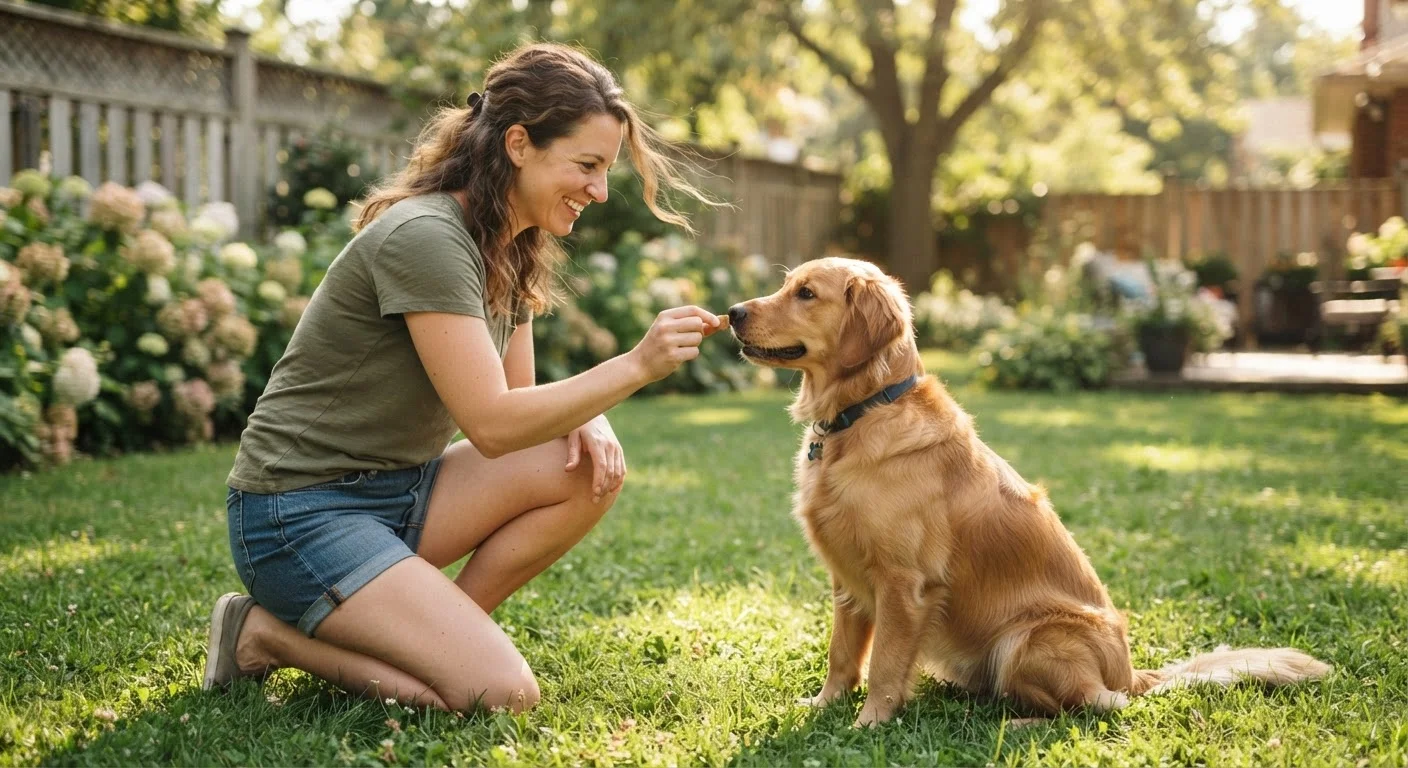
Photo credit: Infolagoon.com | Blogs To Rely On
In this article
Never trained a pet before? This guide covers foundational concepts, tools, and techniques to help you build a confident, well-behaved companion.
Key Takeaways
- Training should begin the moment a pet arrives home, not after problems appear.
- Positive reinforcement — rewarding desired behavior — is the most effective and humane method.
- Short, consistent sessions of 5–10 minutes produce better results than infrequent long ones.
- Clear communication and timing are more important than any single tool or gadget.
- Most household pets, including small animals and birds, are capable of meaningful training.
Why Training Matters From Day One
Training is not about teaching tricks — it is about building a shared language between you and your pet. A well-trained animal is safer, less stressed, and easier to care for. Untrained pets are more likely to develop problem behaviors that are harder to address the longer they go unchecked.
The habits established in the first days and weeks at home set the tone for years of coexistence. Whether you have just brought home a puppy, an adult rescue dog, or even a small mammal, beginning with clear, consistent expectations gives your pet a framework it can understand. See our guide to your first week with a new puppy for a practical look at what those early days should look like.
Training also strengthens the bond between owner and pet. Time spent communicating and rewarding good behavior builds trust — a resource you will draw on throughout your pet's life.
How Pets Actually Learn
Understanding the basic science behind animal learning makes you a far more effective trainer. Most pet training relies on operant conditioning — the principle that behavior followed by a pleasant outcome is more likely to be repeated, while behavior that produces no reward tends to fade.
Positive reinforcement
Adding something the pet values — like a treat or praise — immediately after a desired behavior to make that behavior more likely to happen again.
Operant conditioning
A learning process in which behavior is shaped by its consequences; behaviors that produce good outcomes are repeated, while those that produce nothing tend to stop.
Luring
Using a treat or object to physically guide a pet into a desired position or behavior during the early stages of teaching.
Cue
A word, hand signal, or other prompt that tells your pet which behavior you are asking for at that moment.
Shaping
Rewarding a pet in small increments for progressively closer approximations of a final behavior, building complexity step by step.
Generalization
A pet's ability to perform a learned behavior reliably in different locations, situations, and around different distractions — a skill that must be practiced, not assumed.
Positive reinforcement is the cornerstone of modern, humane training. When your pet performs a desired behavior and immediately receives something it values — a treat, praise, or play — it learns to associate that action with a good outcome. Timing is critical: the reward must come within one to two seconds of the behavior, or the connection is lost.
It is equally important to understand that pets do not generalize well. A dog that sits reliably in the kitchen may not sit on command at the park. Teaching behaviors in multiple environments and gradually increasing distractions is a necessary part of the process, not a sign that something went wrong.
For further reading on why harsh correction methods tend to undermine this process, see why punishment-based training often backfires.
Essential Tools and Setup
You do not need expensive equipment to train a pet effectively. A handful of well-chosen items and a consistent environment are far more valuable than any gadget.
- Treats: Small, soft, high-value food rewards work best. They should be tiny — pea-sized — so your pet can consume them quickly and stay focused.
- Clicker (optional): A clicker provides a precise, consistent marker that tells your pet the exact moment it did the right thing. It is a tool, not a requirement, but many trainers find it speeds up learning.
- Leash and collar or harness: For dogs, a well-fitted, non-aversive collar or front-clip harness gives you safe control during outdoor sessions.
- A quiet space: Begin every new skill in a low-distraction environment. Distractions are introduced gradually as your pet's reliability improves.
Set Up for Success Before You Begin
Train your pet when it is alert but not over-excited — just before a meal is often ideal since treats will be more motivating. Remove obvious distractions from the space and keep your sessions short and upbeat. Ending on a win, even a simple one, keeps your pet eager for the next session.
For owners of non-dog pets, the principles are the same. Our article on training small pets including rabbits, guinea pigs, and birds covers species-specific approaches in detail.
Core Techniques Every New Owner Should Know
With the science and setup in place, a few foundational techniques will carry you far regardless of what species you own.
Luring
Hold a treat near your pet's nose and slowly move it to guide the animal into the position or behavior you want. Once the behavior occurs consistently, fade the lure so your pet responds to the gesture or verbal cue alone.
Capturing
Watch for a behavior your pet does naturally — sitting, lying down, making eye contact — and immediately reward it. Over repetitions, you can add a cue word so your pet learns to perform the behavior on request.
Shaping
Break a complex behavior into small steps and reward incremental progress. This technique is particularly useful for behaviors that are difficult to lure, such as teaching a dog to stay for gradually longer durations.
Once you have mastered the basics, move on to specific commands. Our guide to teaching basic commands walks through sit, stay, come, and leave it in step-by-step detail.
Common Mistakes and How to Avoid Them
Even well-intentioned owners make predictable errors early in training. Knowing them in advance saves significant frustration.
Avoid These Common Early Mistakes
Inconsistent rules, overly long sessions, and advancing too quickly are the three most common reasons new owners stall in training. Rushing to advanced behaviors before fundamentals are solid creates confusion for your pet and frustration for you. Patience and repetition are not optional — they are the method.
- Inconsistency: If a behavior is sometimes rewarded and sometimes ignored or corrected, your pet receives conflicting information. Every household member should use the same cues and rules.
- Sessions that run too long: Fatigue leads to errors and frustration on both sides. End every session before attention drops — ideally on a successful repetition.
- Raising criteria too fast: If your pet begins making frequent mistakes, the last step was likely too large. Go back to a simpler version and rebuild confidence before advancing.
- Skipping socialization: Training and socialization work together. A pet that has not been exposed to varied people, animals, sounds, and environments will struggle to perform reliably in new situations.
Training is a lifelong process, not a one-time event. Revisit the basics periodically, keep sessions engaging, and celebrate progress at every stage. For broader guidance on everyday pet care, explore the Pet Care Basics hub and the Pet Health hub.
This article is for general informational purposes only. For behavioral concerns involving aggression, anxiety, or health-related issues affecting your pet's behavior, please consult a licensed veterinarian or certified animal behaviorist.
Frequently Asked Questions

Author
Pets & Animals Editorial Team
Pets & Animals Editorial Team is the collective byline for our editorial team and contributor network. Articles published under this byline or an editorial pen name are researched, written, and reviewed according to our editorial standards for clarity, consistency, and independence before publication.
View all articles →