
Pet Vaccination Schedules Decoded: Core vs. Non-Core Shots
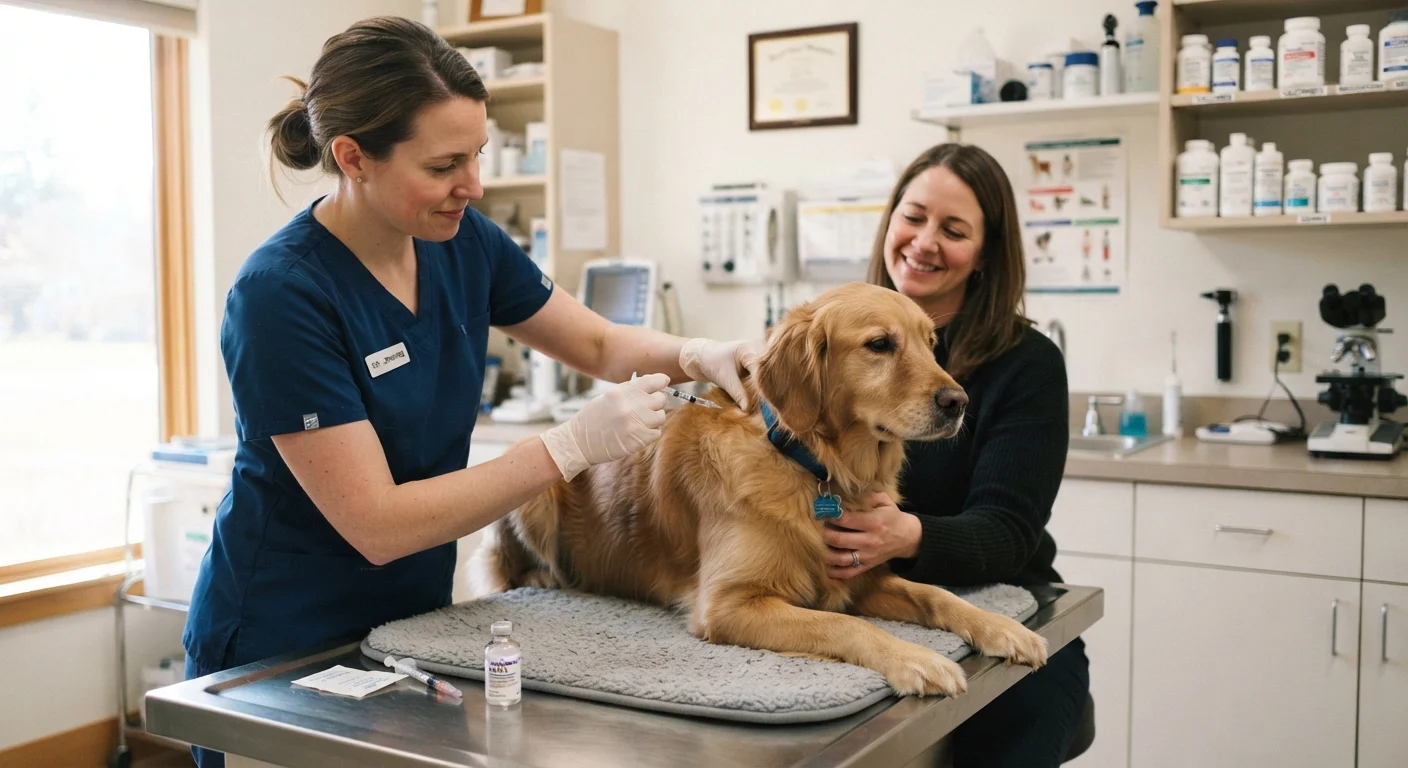
Photo credit: Infolagoon.com | Blogs To Rely On
In this article
Learn which vaccines are considered essential for dogs and cats, which are situational, and how schedules typically change as pets age.
What Makes a Vaccine 'Core' or 'Non-Core'?
Veterinary organizations categorize pet vaccines into two broad groups: core and non-core. The distinction isn't about importance in isolation — it's about universal necessity.
| Core vaccine definition | Recommended for all pets regardless of lifestyle (AAHA/AAFP Vaccination Guidelines) |
| Non-core vaccine definition | Recommended based on risk factors: geography, lifestyle, exposure (AAHA/AAFP Vaccination Guidelines) |
| Rabies vaccine legal status | Required by law in most U.S. states for both dogs and cats |
| Puppy/kitten series start age | Typically 6–8 weeks, continuing through 16 weeks (AAHA Canine Vaccination Guidelines) |
| Adult booster intervals | 1–3 years depending on vaccine type and local regulations |
| Most common dog core combo | DHPP (Distemper, Hepatitis, Parvovirus, Parainfluenza) |
Core vaccines are recommended for virtually every dog or cat, regardless of lifestyle, location, or age. These protect against diseases that are widespread, highly contagious, potentially fatal, or transmissible to humans (zoonotic). Non-core vaccines are situational — appropriate for some pets based on geographic risk, living environment, or specific activities.
Your veterinarian is the most reliable guide for determining which non-core vaccines apply to your pet. See our overview of annual vet visits to understand how these decisions fit into your pet's routine care.
Core Vaccines for Dogs and Cats
The American Animal Hospital Association (AAHA) and the American Association of Feline Practitioners (AAFP) publish vaccination guidelines that form the foundation of what most veterinarians recommend.
Dogs
- Rabies: Required by law in most U.S. states. Fatal and transmissible to humans.
- Distemper: A serious viral illness affecting the nervous system and respiratory tract.
- Parvovirus: Highly contagious and often fatal, especially in puppies.
- Adenovirus (Hepatitis): Protects against infectious canine hepatitis.
These four are often combined in a single DAP or DHPP injection given in a series during puppyhood, then boostered on a schedule set by your vet.
Cats
- Rabies: Core for all cats, including indoor-only animals in most jurisdictions.
- Feline Herpesvirus-1 and Calicivirus: Both cause upper respiratory disease and are extremely common.
- Panleukopenia (Feline Distemper): A life-threatening viral disease, especially dangerous for kittens.
The herpesvirus, calicivirus, and panleukopenia vaccines are typically combined in a single FVRCP shot. For more on how vaccines interact with multi-pet households, see managing disease between dogs and cats.
Non-Core Vaccines: When Lifestyle and Location Matter
Non-core vaccines are neither unnecessary nor optional for every pet — they're simply targeted. A dog who frequents dog parks or boarding facilities faces different risks than one who rarely leaves home.
Core vaccine
A vaccine recommended for every pet of a given species, regardless of lifestyle or location, because it protects against diseases that are widespread, severe, or pose a public health risk.
Non-core vaccine
A vaccine recommended selectively, based on a pet's individual exposure risk from factors like geography, outdoor access, boarding, or social contact with other animals.
Maternal antibodies
Protective proteins passed from a mother to her offspring through colostrum or milk. They temporarily shield newborns from disease but can also reduce vaccine effectiveness, which is why puppy and kitten series are spaced over several weeks.
Booster shot
A follow-up dose of a vaccine given after initial vaccination to reinforce or extend immune protection over time.
Zoonotic disease
A disease that can be transmitted between animals and humans. Rabies is the most prominent example in the context of pet vaccination.
Common Non-Core Vaccines for Dogs
- Bordetella (Kennel Cough): Strongly recommended for dogs with social exposure. Many boarding and grooming facilities require it.
- Leptospirosis: A bacterial infection spread through contaminated water or wildlife contact. Risk varies significantly by region.
- Lyme Disease: Relevant for dogs in tick-heavy areas, particularly the Northeast, Midwest, and Pacific Coast.
- Canine Influenza: Recommended where local outbreaks have been confirmed.
Common Non-Core Vaccines for Cats
- Feline Leukemia Virus (FeLV): Considered core for kittens and outdoor cats by many guidelines; optional for low-risk adults.
- Feline Immunodeficiency Virus (FIV): Recommended for cats at higher risk of bite wounds from infected animals.
- Chlamydia felis: Occasionally included when upper respiratory disease is endemic in a multi-cat environment.
Clearing up confusion about which pets truly need which shots is covered in depth in our article on common misconceptions about pet vaccinations.
How Vaccination Schedules Change with Age
Vaccine timing isn't static. Schedules are designed around a pet's immune system maturity, prior vaccination history, and changing risk factors across life stages.
3–4 weeks
Interval between puppy/kitten vaccine doses in initial series
Per AAHA and AAFP guidelines, young animals receive staggered doses to account for declining maternal antibody interference.
Up to 3 years
Maximum booster interval for some core adult vaccines
Certain core vaccines, when given to adult dogs and cats with documented prior vaccination, may be boostered on a three-year rather than annual schedule.
50 U.S. states
Jurisdictions with rabies vaccination laws for dogs
All 50 U.S. states have rabies vaccination requirements for dogs; requirements for cats vary by state and locality.
Puppies and Kittens
Young animals receive a series of vaccines — typically every 3–4 weeks — starting around 6–8 weeks of age and continuing through 16 weeks. This series is necessary because maternal antibodies (passed through the mother's milk) can interfere with vaccine effectiveness and decline at different rates in different animals.
Adult Pets
After completing the initial series, adult pets receive booster shots. Rabies vaccines may be given annually or every three years depending on the product used and local regulations. Core combination vaccines often shift to a three-year interval for adult dogs and cats, though annual wellness visits remain essential for health monitoring.
Senior Pets
Vaccination decisions for older pets may be individualized based on health status, immune function, and lifestyle changes. A senior dog with reduced outdoor activity may no longer need certain non-core vaccines. Discuss your aging pet's specific needs with your vet — our article on senior pet health changes provides broader context for what to expect as pets age.
This article is for general informational purposes only and is not a substitute for veterinary advice. Always consult a licensed veterinarian to determine the appropriate vaccination plan for your specific pet.

Author
Pets & Animals Editorial Team
Pets & Animals Editorial Team is the collective byline for our editorial team and contributor network. Articles published under this byline or an editorial pen name are researched, written, and reviewed according to our editorial standards for clarity, consistency, and independence before publication.
View all articles →