
Grooming Routines That Make a Real Difference for Dogs and Cats
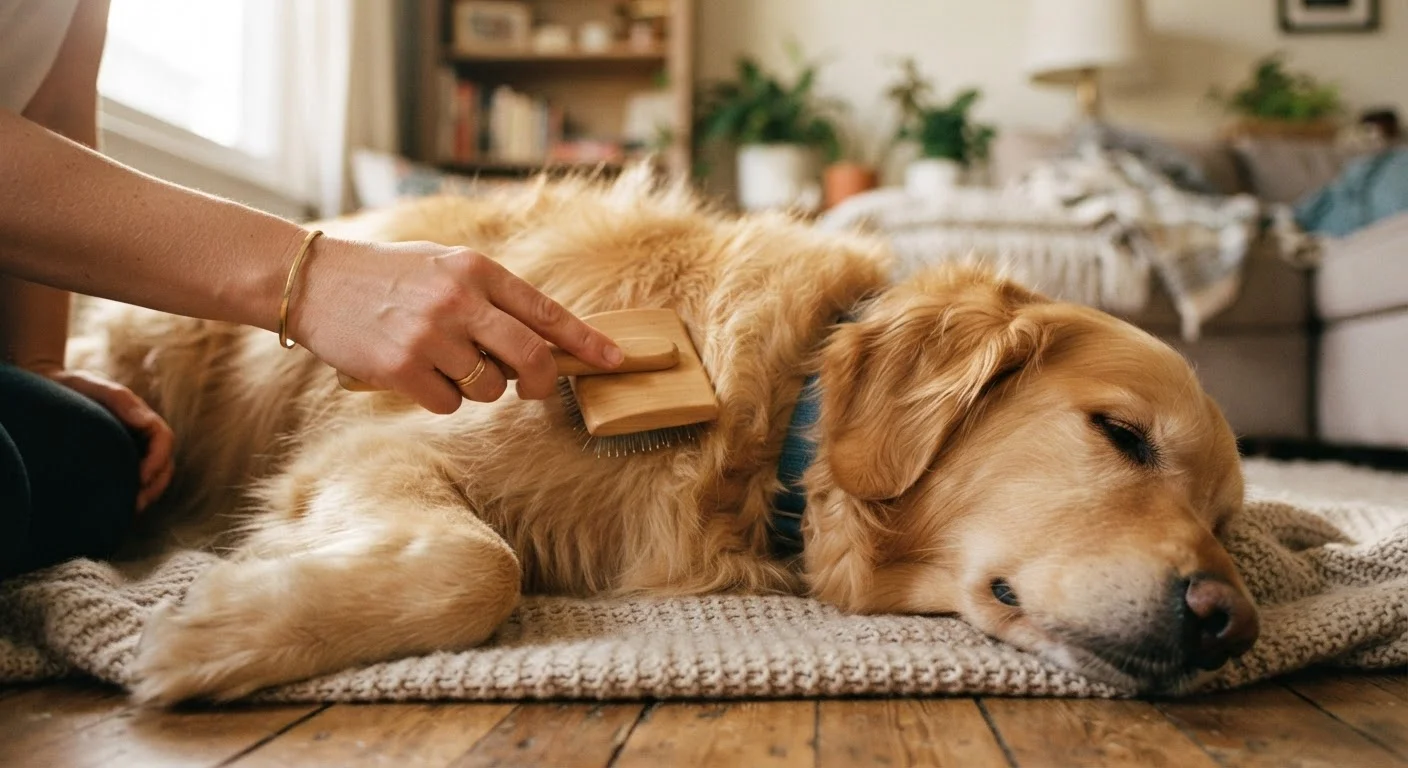
Photo credit: Infolagoon.com | Blogs To Rely On
In this article
Regular grooming goes beyond appearance. Discover the habits that support skin health, bonding, and early problem detection.
Key Takeaways
- Consistent grooming helps detect skin issues, lumps, and parasites before they become serious problems.
- Brushing frequency should match your pet's coat type — not a one-size-fits-all schedule.
- Grooming sessions double as health checks, making them a valuable part of routine pet care.
- Ear cleaning, nail trimming, and coat care each serve distinct health functions beyond aesthetics.
- Starting grooming habits early makes the experience less stressful for both pets and owners.
Why Grooming Is About More Than Appearance
Many pet owners think of grooming as a cosmetic task — something done when fur gets matted or a dog smells overdue for a bath. In reality, regular grooming is one of the most effective ways to monitor your pet's health between annual vet visits. Every session gives you a hands-on opportunity to notice changes in skin condition, coat texture, ear health, and body contour that might otherwise go undetected.
For both dogs and cats, grooming also plays a role in the human-animal bond. Handled calmly and consistently, these routines build trust and reduce anxiety around handling — which matters when a veterinarian needs to examine your pet or when an injury requires attention at home.
“The hands-on nature of grooming gives owners a regular opportunity to notice subtle changes — a new lump, a skin reaction, a shift in coat quality — that might be the earliest sign of something worth investigating.”
— American Veterinary Medical Association, Professional organization representing veterinary medicine in the United States
Core Grooming Practices Every Pet Owner Should Know
The following practices form the foundation of an effective grooming routine for dogs and cats. The right frequency and approach will vary by species, breed, coat type, and individual temperament — but these principles apply broadly across pet types.
Match brushing frequency to your pet's coat type
Short-coated animals typically need less frequent brushing, while long-haired breeds are prone to tangles, matting, and skin irritation if brushing is infrequent. Matted fur can trap moisture and bacteria against the skin, leading to infections. Regular brushing also distributes natural oils and reduces excess shedding around the home.
Trim nails before they curve into the paw pad
Overgrown nails can alter the way a pet walks, putting stress on joints over time. In severe cases, nails can grow into the soft tissue of the paw pad, causing pain and infection. Regular trimming — typically every three to four weeks — prevents these outcomes.
Clean ears on a schedule appropriate to your pet's anatomy
Dogs with floppy ears and pets with narrower ear canals are more prone to moisture buildup and infection. Routine cleaning removes debris before it accumulates, but over-cleaning can irritate healthy ears. Learning what's normal for your individual pet helps you catch early signs of infection, such as redness, odor, or head shaking.
Bathe dogs at intervals suited to their skin and lifestyle
Bathing too frequently strips natural skin oils and can lead to dryness or irritation. Bathing too rarely allows allergens, environmental debris, and skin bacteria to accumulate. Most dogs do well with a bath every four to six weeks, though active outdoor dogs or those with certain skin conditions may need adjustment.
Introduce grooming gradually with young or anxious pets
Pets that have not been handled regularly may find grooming stressful, making the process difficult for both animal and owner. Building positive associations early — through short sessions, calm handling, and appropriate rewards — makes long-term compliance much easier. Forcing a struggling pet can create lasting aversion.
Quick Wins You Can Start This Week
You don't need a full grooming overhaul to make an immediate difference. These targeted actions are easy to implement and carry meaningful benefits. Pairing them with a consistent daily routine will help them stick.
Grooming as a Window Into Your Pet's Health
One often-overlooked benefit of regular grooming is what it reveals. Skin conditions, unusual lumps, flea dirt, ear odor, and changes in coat density are all easier to catch when you're handling your pet regularly. Many of these signs are subtle early on and become harder — and more costly — to address if missed.
~70%
Dogs over age 3 with signs of dental or skin disease
Veterinary professional organizations note that a significant majority of adult pets show early signs of preventable conditions that routine handling and grooming can help identify sooner.
4–6 weeks
Recommended bathing interval for most dogs
General veterinary guidance suggests this range balances skin oil preservation with hygiene, though individual needs vary by coat type and activity level.
Cats in particular are skilled at masking discomfort, so grooming sessions can be one of the few moments an owner notices something is off. Outdoor cats carry higher exposure to parasites and environmental hazards, which makes tactile checks even more valuable — something explored further in indoor vs. outdoor cat care.
Don't overlook oral health during grooming checks. Gum color, breath changes, and reluctance to chew are worth noting — learn more in our overview of pet dental health.
Make Grooming a Routine, Not a Reaction
Grooming is most effective — and least stressful — when it happens on a predictable schedule rather than only when a problem appears. Pets that are handled regularly become accustomed to the process and are easier to examine. Consistent grooming also makes it far easier to notice what's changed, because you have a clear baseline to compare against.
This article provides general information for educational purposes and is not a substitute for professional veterinary advice. Always consult a licensed veterinarian for guidance specific to your pet's health needs.

Author
Pets & Animals Editorial Team
Pets & Animals Editorial Team is the collective byline for our editorial team and contributor network. Articles published under this byline or an editorial pen name are researched, written, and reviewed according to our editorial standards for clarity, consistency, and independence before publication.
View all articles →