
Dental Health in Pets: What Owners Often Overlook
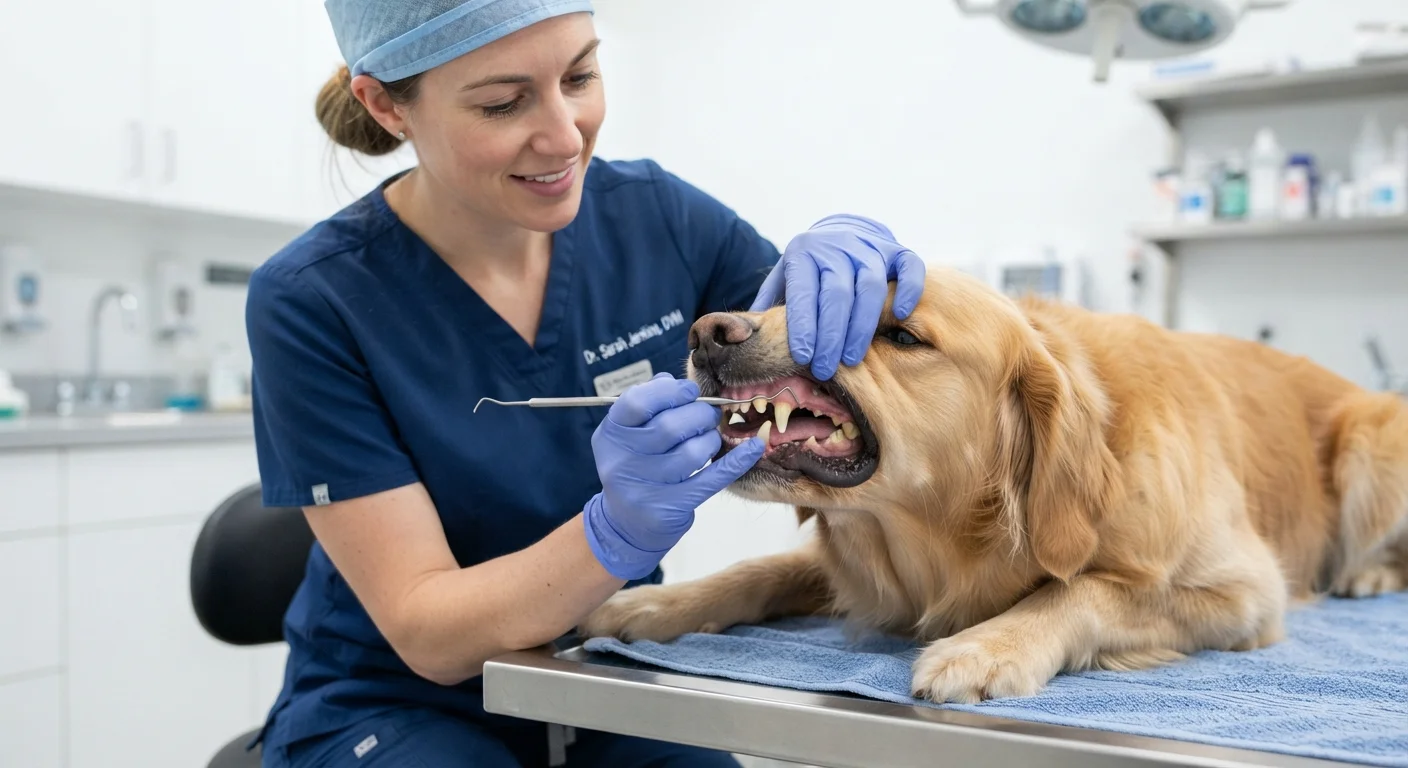
Photo credit: Infolagoon.com | Blogs To Rely On
In this article
Oral hygiene affects more than teeth. Learn why dental care matters, what neglect can lead to, and what general approaches exist.
Key Takeaways
- Periodontal disease affects the majority of dogs and cats by age three, yet remains widely underaddressed.
- Poor oral health can contribute to systemic conditions affecting the heart, kidneys, and liver.
- Home care between veterinary visits — including tooth brushing — significantly slows plaque and tartar buildup.
- Many signs of dental pain in pets are subtle and easy to miss without knowing what to look for.
- Annual professional dental cleanings are generally recommended by veterinarians for most adult pets.
Why Dental Health Deserves More Attention Than It Gets
Dental disease is among the most commonly diagnosed conditions in companion animals, yet it's frequently the last thing pet owners think about. Unlike a limp or a visible wound, oral health problems tend to develop quietly — bacteria accumulating beneath the gumline, inflammation spreading, and discomfort building long before any obvious sign appears.
The connection between oral health and whole-body wellness is well established in veterinary medicine. Bacteria from infected gums can enter the bloodstream and may contribute to inflammation in organs including the heart, kidneys, and liver. Our related article explores how oral health connects to systemic conditions in depth. Understanding the common missteps — and why they happen — is the first step toward better care.
Assuming bad breath is normal and not a warning sign.
Why it happens: Many owners attribute a pet's unpleasant breath to what they ate or simply to being an animal. In reality, persistent halitosis is one of the earliest and most consistent signs of bacterial buildup and periodontal disease.
Skipping professional cleanings because the pet's teeth 'look fine.'
Why it happens: The most damaging dental disease occurs below the gumline, where it's invisible to the naked eye. Owners often judge oral health by visible tartar or tooth color alone, missing subclinical disease entirely.
Waiting for obvious signs of pain before acting.
Why it happens: Pets instinctively mask pain, a survival behavior inherited from their ancestors. Dogs and cats with significant dental disease often continue eating and behaving relatively normally, which owners interpret as a sign that nothing is wrong.
Relying on dental treats or chews as a substitute for brushing.
Why it happens: Dental chews are widely marketed and easy to give, which makes them feel like a complete solution. While some products offer modest benefit, none replicate the mechanical plaque removal achieved by brushing.
Not starting dental care early in a pet's life.
Why it happens: Puppies and kittens seem too young for dental concerns, so owners often delay establishing routines until disease is already developing. Early habituation is far easier than introducing brushing to an older, resistant animal.
Building Habits That Actually Protect Your Pet's Mouth
Avoiding these mistakes requires replacing inaction with consistent, realistic habits. The most impactful thing owners can do at home is introduce tooth brushing using a pet-safe toothpaste — never human toothpaste, which contains ingredients toxic to animals. Daily brushing is the gold standard, though even a few times per week offers meaningful benefit over no brushing at all.
Never Use Human Toothpaste on Pets
Human toothpastes commonly contain fluoride and xylitol, both of which are toxic to dogs and cats. Pets cannot rinse and spit, meaning they swallow whatever is applied. Always use a toothpaste specifically formulated for animals, and consult your veterinarian if you're unsure which product is appropriate for your pet.
Diet also plays a role. How you feed your pet matters for oral health — some formulations are specifically designed to reduce plaque, and your vet can help you evaluate options suited to your pet's needs.
Finally, dental health doesn't exist in isolation from your pet's overall care routine. As pets age, oral disease tends to worsen, making the connection between dental care and managing senior pet health needs especially important. Annual wellness exams — which your vet uses to evaluate the mouth as part of a broader assessment — are a cornerstone of staying ahead of problems. Learn more about what those visits involve in our guide to annual vet visits and why they matter.
~80%
Dogs showing signs of dental disease by age 3
According to the American Veterinary Medical Association, the majority of dogs show evidence of periodontal disease by their third year of life.
~70%
Cats affected by dental disease by age 3
Veterinary sources including the Cornell Feline Health Center note that most cats develop some form of dental disease by age three if home care is absent.
This article is for general informational purposes only and is not a substitute for professional veterinary advice. Always consult a licensed veterinarian regarding your pet's specific health needs.

Author
Pets & Animals Editorial Team
Pets & Animals Editorial Team is the collective byline for our editorial team and contributor network. Articles published under this byline or an editorial pen name are researched, written, and reviewed according to our editorial standards for clarity, consistency, and independence before publication.
View all articles →