
Pet Dental Health: Why the Mouth Is a Window to Overall Wellness
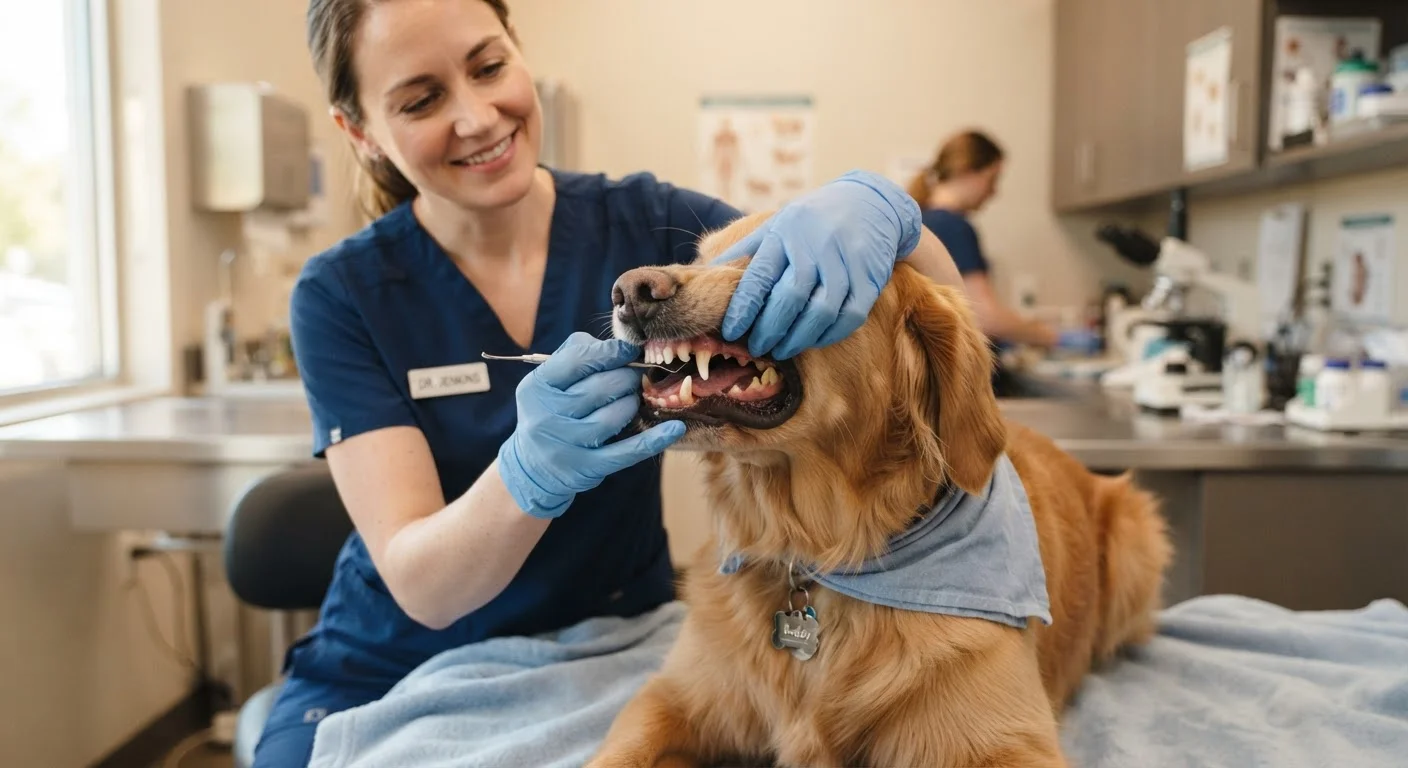
Photo credit: Infolagoon.com | Blogs To Rely On
In this article
Dental disease is one of the most common conditions in pets. Learn how oral health connects to heart, kidney, and systemic health in dogs and cats.
Key Takeaways
- Periodontal disease affects the majority of dogs and cats by age three.
- Oral bacteria can enter the bloodstream and affect the heart, kidneys, and liver.
- Bad breath is not normal — it is often the first visible sign of dental disease.
- Home care like tooth brushing, combined with professional cleanings, offers the strongest protection.
- Annual veterinary exams that include an oral assessment are critical for early detection.
The Mouth as a Health Indicator
When a veterinarian peers into your pet's mouth during a routine exam, they are doing far more than checking for cracked teeth. The oral cavity offers a direct view of tissue health, circulatory function, and early warning signs of systemic disease. Healthy gums should appear pink and firm; red, pale, or inflamed gum tissue can signal problems that extend well beyond the mouth.
Dental disease develops gradually. Plaque — a sticky film of bacteria — forms on tooth surfaces after every meal. Within days, minerals in saliva harden it into tartar, which irritates the gum line and, if left untreated, drives bacteria deeper into the gum tissue. The result is periodontal disease: an infection of the structures that support teeth, including bone.
Because pets rarely show obvious distress until disease is severe, dental problems are frequently discovered during routine wellness exams — another reason those annual visits matter so much.
80%
Dogs with dental disease by age three
The American Veterinary Medical Association estimates that the majority of dogs show evidence of periodontal disease by their third birthday.
70%
Cats affected by dental disease by age three
Veterinary dental studies indicate that periodontal disease is similarly prevalent in cats, with signs appearing early in adulthood.
Stage 1–4
Severity scale for periodontal disease
The American Veterinary Dental College classifies periodontal disease across four stages, with Stage 1 being reversible gingivitis and Stage 4 involving severe bone loss.
How Oral Bacteria Affect the Rest of the Body
The connection between oral disease and systemic illness is well-established in veterinary medicine. Inflamed, infected gum tissue provides a pathway for oral bacteria to enter the bloodstream — a process called bacteremia. Once circulating, these bacteria can adhere to tissues in distant organs.
In dogs, research has associated periodontal disease with changes in heart valve function, as bacteria colonize the delicate tissue of the mitral and tricuspid valves. Kidney filtration capacity and liver enzyme levels have also been linked to chronic oral infection. While causation and correlation are still being studied, the pattern is consistent enough that most veterinary cardiologists and internists ask specifically about a pet's dental history.
For cats, chronic oral pain from resorptive lesions — painful erosions of the tooth structure — is a separate but equally serious concern. These lesions rarely improve without professional intervention and can significantly reduce quality of life.
“Periodontal disease is the most common clinical condition occurring in adult dogs and cats, and because it is often painful, it can significantly impact an animal's quality of life — yet it is largely preventable.”
— American Veterinary Dental College, Veterinary specialty organization for dental and oral health
Recognizing Dental Disease at Home
Pets are instinctively inclined to mask pain and discomfort, which makes owner observation especially valuable. Several signs can indicate that a dental evaluation is overdue:
- Persistent bad breath — not temporary food odor, but a consistent foul smell
- Visible tartar — yellow or brown deposits, particularly along the gum line of upper back teeth
- Red, puffy, or bleeding gums
- Dropping food or preference for soft food
- Pawing at the face or mouth
- Reduced appetite or weight loss
Changes in behavior — including irritability, withdrawal, or reluctance to play — can also reflect chronic oral pain. Knowing how to read your pet's body language is a practical skill that often leads to earlier detection of problems like dental disease.
Preventive Care: What Owners Can Do
The most effective strategy against periodontal disease is mechanical plaque removal — primarily through tooth brushing. Using a soft-bristled toothbrush and toothpaste formulated specifically for pets (human toothpaste is unsafe for animals), owners who brush regularly can meaningfully slow tartar accumulation.
Introducing brushing gradually and positively increases compliance. Dental chews, water additives, and specially formulated dental diets carry the Veterinary Oral Health Council (VOHC) seal when they meet established standards for plaque or tartar reduction — a useful benchmark when evaluating products.
Dental care fits naturally into a broader grooming routine — the same consistent habits that support skin and coat health can be extended to include oral inspection and brushing.
Start Brushing Early — But It's Never Too Late
Puppies and kittens introduced to tooth brushing early tend to accept it as a normal part of their routine. However, adult pets can also be gradually acclimated with patience and positive reinforcement. Start by letting your pet taste a small amount of pet-safe toothpaste, then slowly introduce the brush over several sessions. Consistency over weeks builds tolerance.
Professional cleanings performed under general anesthesia allow veterinarians to scale below the gum line, probe pocket depth, take dental X-rays, and extract teeth that cannot be saved. Home care complements — but does not replace — this professional component.
This article is for general informational and educational purposes only and does not constitute veterinary medical advice. Always consult a licensed veterinarian for guidance specific to your pet's health and dental care needs.
Frequently Asked Questions

Author
Pets & Animals Editorial Team
Pets & Animals Editorial Team is the collective byline for our editorial team and contributor network. Articles published under this byline or an editorial pen name are researched, written, and reviewed according to our editorial standards for clarity, consistency, and independence before publication.
View all articles →