
Seasonal Vehicle Prep: What Changes Between Summer and Winter Driving
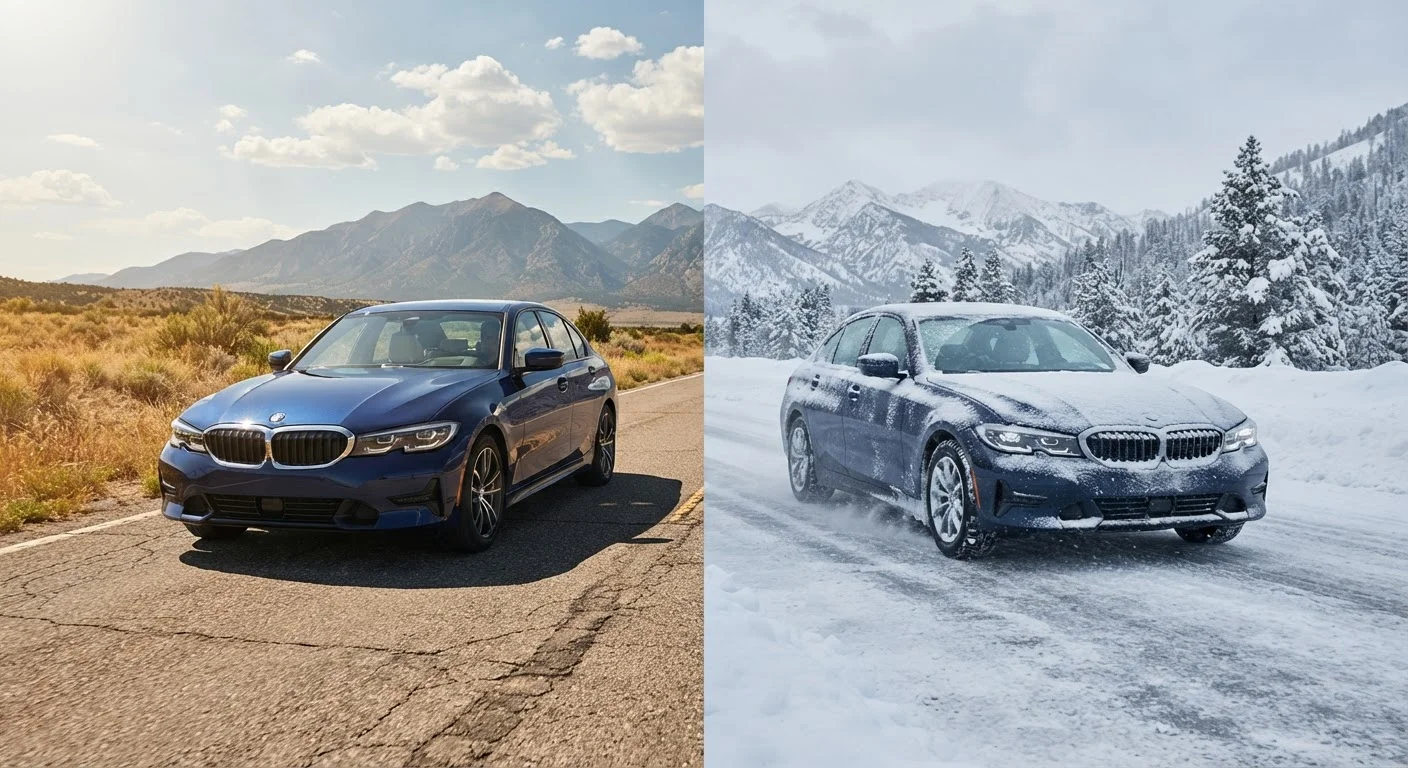
Photo credit: Infolagoon.com | Blogs To Rely On
In this article
Cold starts, overheating, and traction loss affect cars differently by season. Here's how to adapt your maintenance routine throughout the year.
Key Takeaways
- Tire pressure, battery performance, and fluid viscosity all respond differently to heat versus cold.
- Winter prep centers on cold-start reliability and traction; summer prep focuses on cooling and brake performance.
- A few targeted checks each season can prevent the most common weather-related breakdowns.
- High-mileage vehicles face amplified seasonal stress and may need more frequent inspection intervals.
- Consult your owner's manual and a qualified mechanic for guidance specific to your vehicle.
Why Seasonal Prep Isn't Optional
Temperature swings don't just affect how comfortable you are behind the wheel - they physically change how your car's systems behave. Engine oil thickens in cold weather and thins in heat. Tire pressure drops roughly one PSI for every 10°F decrease in temperature. Battery capacity can fall by as much as 20% in freezing conditions. These aren't minor fluctuations; they're measurable performance changes that affect safety and reliability.
Most drivers follow a single, year-round maintenance schedule without adjusting for seasonal demands. That approach leaves predictable gaps. A well-structured maintenance schedule is a solid foundation, but layering seasonal checks on top of it is what actually keeps vehicles road-ready through temperature extremes.
| System | Summer Concern | Winter Concern | |
|---|---|---|---|
| Battery | Heat accelerates fluid evaporation inside battery | Cold reduces cranking power significantly | |
| Tires | Overinflation risk; heat-related blowout on worn tires | Pressure drops ~1 PSI per 10°F; traction loss on ice | |
| Engine Oil | Thins at high temp; check level more frequently | Thickens in cold; may need lower-viscosity grade | |
| Coolant | Critical for overheating prevention in heat | Antifreeze concentration prevents freezing | |
| Brakes | Brake fade risk in heat; fluid moisture concern | Increased stopping distances on wet or icy roads | |
| Wipers & Visibility | UV degrades rubber; summer storms demand good blades | Ice and snow load; winter-rated blades recommended |
Summer: Heat Stresses Cooling, Tires, and Brakes
High ambient temperatures push your engine's cooling system harder. Coolant (also called antifreeze) needs to be at the correct concentration and free of debris to handle summer demands - a degraded mix can allow overheating even on routine commutes. Check coolant level and condition at the start of summer; if it looks rusty or has been in the vehicle for more than two years, a flush is worth considering.
Tires expand as they heat up, which can push pressure above the recommended range - the opposite problem from winter. Overinflated tires reduce the contact patch with the road and wear unevenly down the center of the tread. Check pressure in the morning before driving, when tires are cold, and consult the sticker inside your driver's door jamb for the correct PSI. For a deeper look at tire management, see our complete field guide to tire pressure and tread depth.
Brake fade - where repeated hard braking causes temporary loss of stopping power - is more likely in summer, especially on mountain descents or during towing. If your brake fluid hasn't been changed recently, summer heat can accelerate moisture absorption, lowering its boiling point. Our guide to brake system maintenance explains how fluid, pads, and rotors work together.
Check Coolant Before Peak Heat Arrives
Don't wait for a temperature warning light to investigate your cooling system. A simple visual check of the coolant reservoir (when the engine is cold) and a look at the color and smell of the fluid can reveal problems early. Bright green or orange with no rust smell is a good sign; dark, murky, or rusty coolant is not. A mechanic can test the concentration and condition quickly if you're unsure.
Winter: Cold Targets Batteries, Fluids, and Traction
Your battery is the first thing winter compromises. Cold temperatures slow the chemical reactions inside a battery, reducing its ability to deliver the cranking power needed to start a cold engine. A battery that performs adequately in September may fail to start your car in January. Have batteries older than three to four years tested before the first hard freeze. For more on what shortens battery life, see what drains your car battery faster than expected.
Engine oil viscosity - how freely it flows - matters more in cold. Conventional oils thicken at low temperatures, forcing your engine to work harder during cold starts when lubrication is most critical. Many automakers recommend a lower-viscosity oil (such as 0W-20 instead of 5W-30) for winter use in cold climates. Always verify what your owner's manual specifies for your region's temperature range.
Traction is winter's most visible challenge. All-season tires perform acceptably in light snow, but dedicated winter tires use a rubber compound that stays pliable below 45°F, providing meaningfully better grip. If you drive in an area with regular snow or ice, understanding how wet and low-visibility conditions change the rules is as important as choosing the right tires.
Don't Rely Solely on All-Season Tires in Ice
All-season tires are a compromise - they handle mild winter conditions but are not engineered for sustained ice or heavy snow. In regions where temperatures regularly stay below freezing, all-season tires can become dangerously stiff and lose grip. If your area sees regular winter storms, consult a tire professional about whether dedicated winter tires are appropriate for your driving conditions.
Shared Systems That Need Year-Round Attention
Some components need monitoring regardless of season. Windshield wipers degrade from UV exposure in summer and freeze-thaw stress in winter - replace them at least once a year. Lights matter more in both seasons: summer haze and winter's early darkness reduce visibility equally. A quick walk-around to verify all lights are functional takes two minutes and costs nothing.
If you drive a high-mileage vehicle, seasonal transitions hit harder. Worn seals, aging hoses, and a battery already near the end of its life have less margin to handle temperature extremes. Our guide to maintenance priorities after 100,000 miles outlines where older vehicles need extra attention. Before any long seasonal road trip, a pre-drive checklist can catch issues before they become roadside emergencies.
This article provides general vehicle maintenance information for educational purposes only. Always consult a qualified mechanic and your vehicle's owner's manual for guidance specific to your car's make, model, and local conditions.

Author
Autos & Transport Editorial Team
Autos & Transport Editorial Team is the collective byline for our editorial team and contributor network. Articles published under this byline or an editorial pen name are researched, written, and reviewed according to our editorial standards for clarity, consistency, and independence before publication.
View all articles →