
What a Home Inspection Report Is Actually Telling You
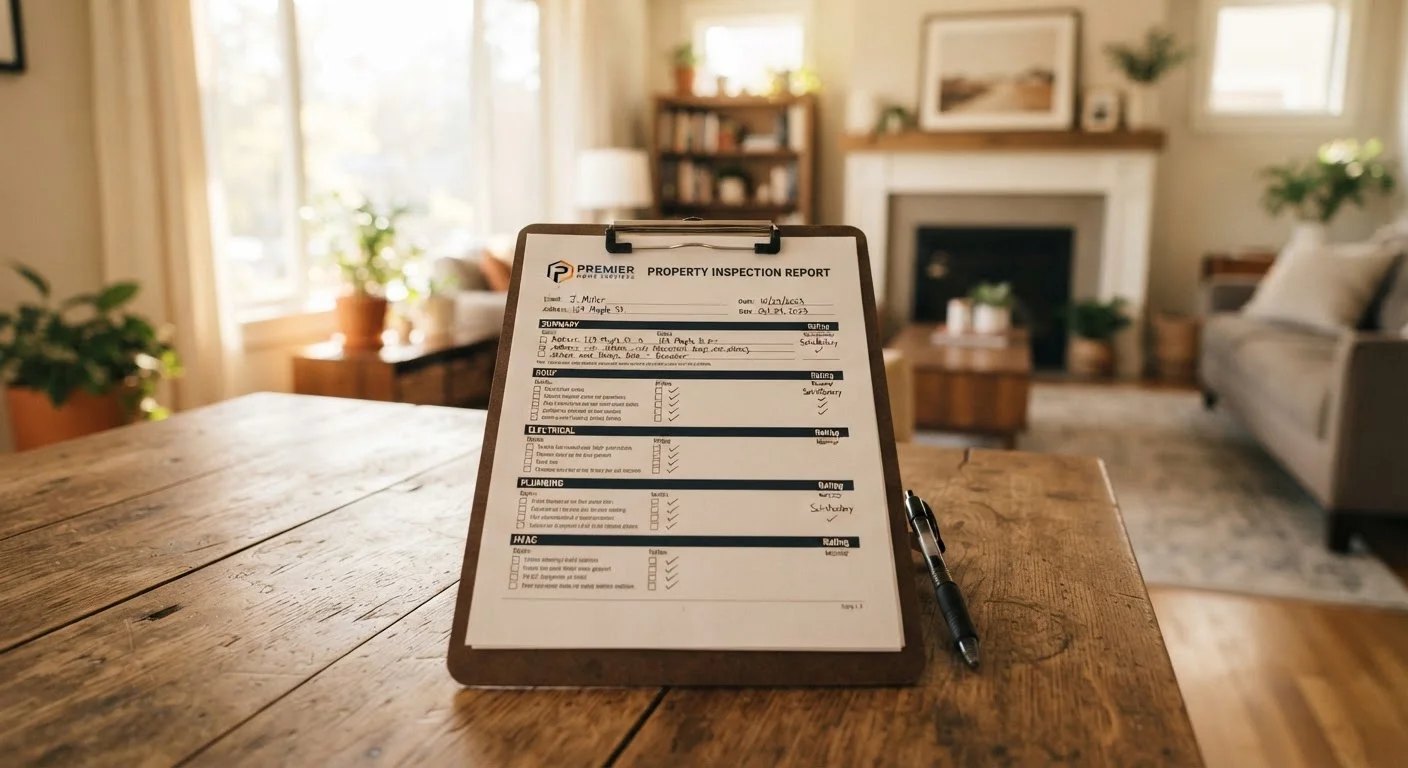
Photo credit: Infolagoon.com | Blogs To Rely On
In this article
Inspection reports can feel overwhelming. Here's how to read the findings, prioritize repairs, and know what truly needs attention.
Key Takeaways
- A home inspection report describes conditions — it does not pass or fail a home.
- Safety hazards and major structural or system failures deserve the most immediate attention.
- Most reports contain a mix of serious issues, maintenance items, and informational notes.
- Inspector recommendations to consult specialists should be taken seriously, not skipped.
- Use the report as a maintenance roadmap even after a purchase closes.
How Inspection Reports Are Structured
Most home inspection reports follow a system-by-system format, working through the property from the roof down to the foundation. Common sections include the roof, attic, exterior, foundation, basement, plumbing, electrical, HVAC, interior rooms, windows, and doors. Each section describes what the inspector observed and notes any deficiencies found.
Within those sections, findings are typically sorted by severity. Inspectors commonly use labels such as Safety Hazard, Major Defect, Repair Recommended, and Monitor — though exact terminology varies by inspector and reporting software. The key is to read the label and description together; don't skip straight to the photos.
For a deeper look at translating specific inspection language into plain terms, see reading an inspection report without the jargon.
Photos Supplement the Text — Don't Replace It
Most modern inspection reports include photographs of deficiencies. Photos are helpful for context, but they don't always convey severity. A photo of a small stain may represent a resolved old leak or an ongoing problem — the written description and the inspector's classification tell you which. Always read both together.
What Each Severity Level Actually Means
Understanding the categories is the most practical skill you can bring to reading a report.
- Safety Hazard: Conditions that pose an immediate risk to occupants — exposed electrical wiring, missing stair railings, inoperative smoke or carbon monoxide detectors. Act on these first, regardless of the transaction outcome.
- Major Defect: Systems or components that are significantly impaired and typically costly to repair — a failing HVAC unit, active roof leaks, or foundation movement. These findings often become negotiating points in a real estate transaction.
- Repair Recommended: Items that are not functioning as intended but don't pose an immediate hazard. A stuck window, a dripping faucet, or a missing downspout extension fall here.
- Monitor: Conditions that are currently acceptable but could worsen over time. An aging water heater or minor weathering on exterior paint are typical examples.
If a section reads "further evaluation by a licensed specialist is recommended," treat it as a requirement — not a suggestion. Electrical concerns in particular warrant immediate specialist review; see how to read your home's electrical panel safely for context on what those findings may involve.
Ask Your Inspector to Walk You Through It
If possible, attend the inspection in person. Most inspectors will walk you through significant findings on-site, which helps you understand severity and location far better than reading the report cold. If you couldn't attend, many inspectors are willing to answer follow-up questions by phone — don't hesitate to ask.
Common Findings and How to Prioritize Them
Even a well-maintained home will generate a list of inspection findings. The goal is not a perfect report — it's understanding what truly needs attention now versus what you can schedule over time.
Prioritize in this order:
- Life-safety hazards (electrical, structural, fire/CO risks)
- Active water intrusion or drainage issues — water damage compounds quickly
- Major system components near end of useful life (roof, HVAC, water heater)
- Code compliance items, especially in work done without permits — for more on that, see permits, inspections, and codes
- Deferred maintenance that will worsen if ignored
Foundation-related findings deserve special attention. Not every crack is alarming, but distinguishing cosmetic settling from something structural requires more than a general inspection. Foundation cracks: what the shape and location are telling you explains what to look for.
~86%
Home inspections that find at least one deficiency
According to the American Society of Home Inspectors, the vast majority of inspected homes have at least one item requiring attention.
300–500
Items a typical inspection evaluates
A thorough general home inspection examines several hundred components across all major systems, from the roof to the foundation.
Using the Report as a Long-Term Maintenance Tool
Many buyers file the inspection report away after closing and forget it exists. That's a missed opportunity. The report is essentially a snapshot of your home's condition on one specific day — and a built-in maintenance checklist if you treat it that way.
Go through the "Monitor" and "Repair Recommended" items and build a simple timeline. What can you address in the first 30 days? What's a three-to-six month project? What can be scheduled in year two? This approach keeps repairs manageable and prevents small issues from escalating.
New homeowners who want a broader framework for managing projects and decisions can find a useful starting point in getting started with home improvement. The inspection report and a solid home improvement foundation work hand in hand to protect your investment over time.
This article is for general informational purposes only. Home conditions vary widely, and this content is not a substitute for a professional inspection conducted by a licensed inspector in your area. Always consult qualified professionals for decisions about repairs, safety, and structural concerns specific to your property.
Frequently Asked Questions

Author
Home & Living Editorial Team
Home & Living Editorial Team is the collective byline for our editorial team and contributor network. Articles published under this byline or an editorial pen name are researched, written, and reviewed according to our editorial standards for clarity, consistency, and independence before publication.
View all articles →