
Foundation Cracks: What the Shape and Location Are Telling You
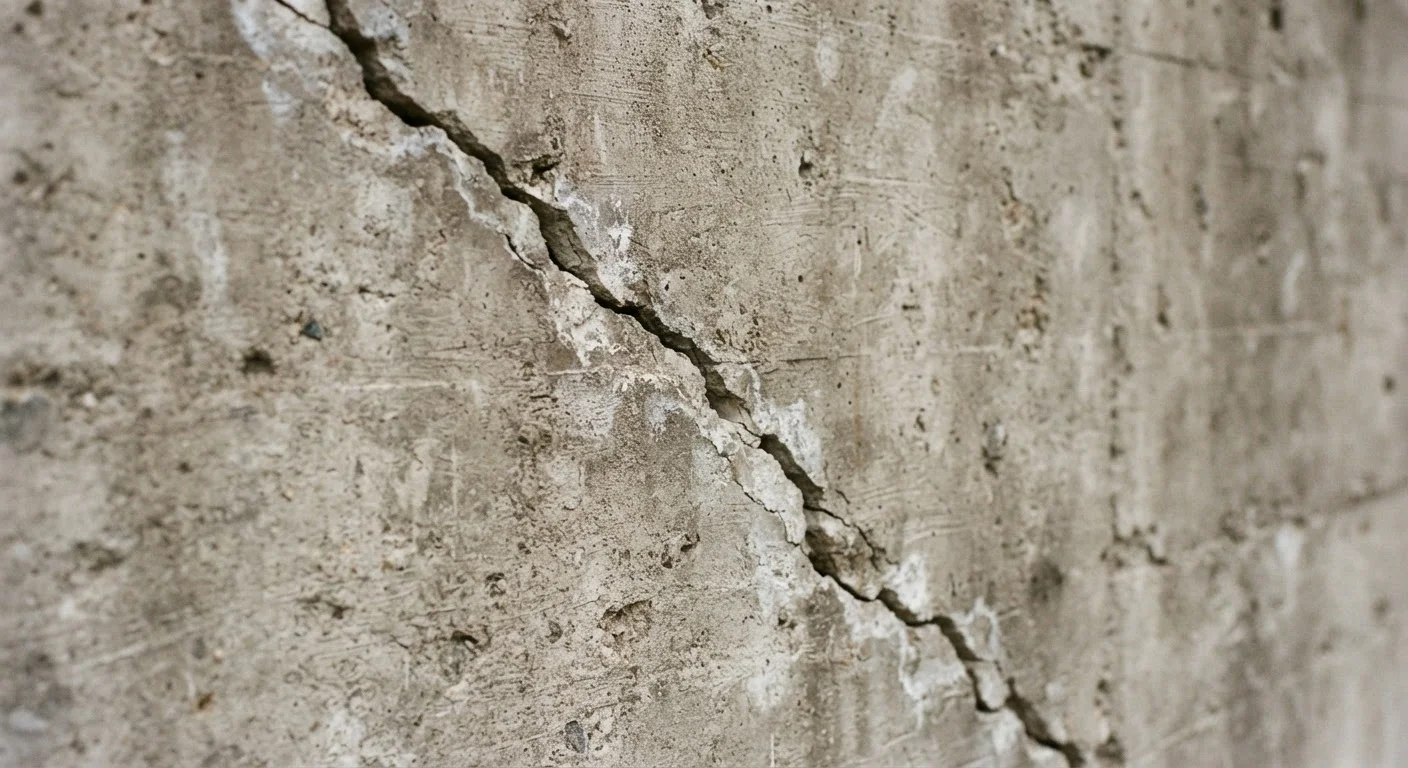
Photo credit: Infolagoon.com | Blogs To Rely On
In this article
Not every crack signals disaster, but some do. Learn to distinguish cosmetic settling from signs that warrant a structural engineer's review.
Why Crack Patterns Actually Matter
A crack in your foundation can mean almost nothing — or it can signal a problem that will cost tens of thousands of dollars to correct if ignored. The difference lies in the crack's orientation, width, location, and whether it is actively growing. Learning to read these patterns gives you a rational starting point instead of either panicking or dismissing a genuine warning sign.
Keep in mind that this article provides general educational information only. For any crack you are uncertain about, a licensed structural engineer is the appropriate professional to consult — not a contractor who also sells repairs.
The Main Crack Types and What They Suggest
Hairline and Vertical Cracks
Very fine, vertical cracks that run straight up and down are among the most common findings in poured concrete foundations. They typically result from normal concrete curing and minor seasonal settling. A hairline crack — generally under 1/16 inch wide — that has stayed the same size for years is usually cosmetic. However, even a vertical crack warrants monitoring and basic sealing to prevent water infiltration, which can worsen over time. See our guide to basement waterproofing methods for options suited to different situations.
Horizontal Cracks
Horizontal cracks — running parallel to the ground — are the most serious pattern in a basement or crawl space wall. They indicate lateral pressure from soil or water bearing against the outside of the wall. In block foundations especially, horizontal cracking can signal wall bowing, which may progress to partial collapse if not addressed. Any horizontal crack should be evaluated by a structural engineer promptly.
Diagonal and Stair-Step Cracks
Diagonal cracks, or stair-step cracks that follow mortar joints in block or brick foundations, typically indicate differential settling — meaning one part of the foundation is sinking more than another. A small diagonal crack that has been stable for years may simply reflect early settling. A wide gap (over 1/4 inch), displacement where one side sits higher than the other, or a crack that is visibly growing all suggest differential movement that warrants professional assessment. This kind of deferred evaluation is exactly the scenario covered in our article on the hidden costs of delayed home maintenance.
Location Clues: Where the Crack Sits Changes Its Meaning
The same crack type can carry different implications depending on where it appears:
- Corner cracks — Diagonal cracks radiating from the corners of window or door openings are common stress concentrations. If narrow and stable, they are usually low concern.
- Mid-wall horizontal cracks — A horizontal crack positioned roughly one-third to halfway up a basement wall often marks where soil pressure is greatest. This location is a red flag.
- Cracks with displacement or bulging — Any crack where one side protrudes beyond the other, or where you can see or feel a bulge in the wall, indicates active movement and needs urgent attention.
- Cracks near load-bearing points — Cracks appearing directly below a beam pocket or support column deserve extra scrutiny because load transfer may be compromised.
Differential settling
When different parts of a foundation sink at different rates, creating uneven movement. It often produces diagonal or stair-step cracks and can indicate soil or drainage problems beneath the slab.
Lateral pressure
Sideways force exerted on a foundation wall by soil, water, or frost outside the structure. Excessive lateral pressure is the primary cause of horizontal cracking and wall bowing.
Hairline crack
A very fine crack typically under 1/16 inch wide. In poured concrete foundations, hairline cracks are often cosmetic results of normal curing, though they should still be sealed and monitored.
Displacement
A condition where the two sides of a crack are no longer flush — one side sits higher or protrudes further than the other. Displacement indicates active structural movement rather than simple shrinkage.
Load-bearing point
A location where a structural load — such as a beam, column, or floor system — transfers weight down to the foundation. Cracks near these points can affect how loads are distributed through the structure.
If you've recently received a home inspection report flagging foundation cracks, our article on reading a home inspection report can help you interpret the findings and prioritize next steps.
Monitoring and When to Call a Professional
For any crack you are tracking, the simplest monitoring method is to mark each end with a pencil line and date, then photograph it. Check monthly for six months. If the crack extends beyond your marks or widens, that movement data is valuable information for any professional you consult.
Call a licensed structural engineer — not just a foundation repair contractor — if you observe any of the following:
- Any horizontal crack in a basement or crawl space wall
- Cracks wider than 1/4 inch
- Cracks showing displacement (one side higher or farther out than the other)
- Multiple diagonal cracks on the same wall
- Doors or windows that have recently started sticking or binding without an obvious cause
- Visible bowing or inward lean in a wall
Understanding where professional help is truly necessary — versus what a diligent homeowner can monitor themselves — is discussed in more depth in our DIY vs. licensed contractor decision guide.
This article is for general informational purposes only and does not constitute structural, engineering, or professional home inspection advice. Always consult a licensed structural engineer for assessment of specific foundation conditions in your home.

Author
Home & Living Editorial Team
Home & Living Editorial Team is the collective byline for our editorial team and contributor network. Articles published under this byline or an editorial pen name are researched, written, and reviewed according to our editorial standards for clarity, consistency, and independence before publication.
View all articles →