
Your Car's Maintenance Schedule, Explained
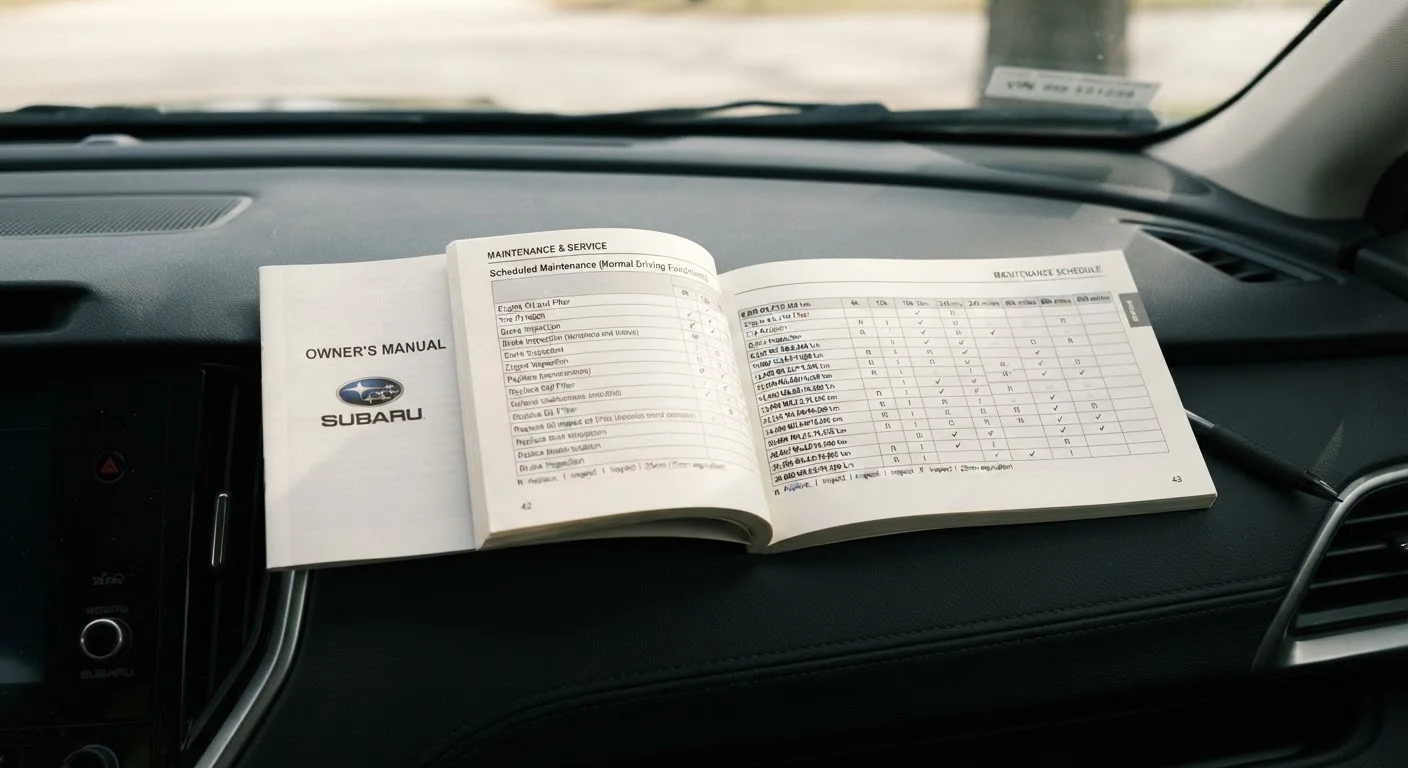
Photo credit: Infolagoon.com | Blogs To Rely On
In this article
Decode the service intervals in your owner's manual and learn what each milestone actually means for your vehicle's long-term health.
Key Takeaways
- Your owner's manual contains the most accurate maintenance schedule for your specific vehicle.
- Maintenance intervals are based on both mileage and time - whichever comes first.
- Skipping scheduled services can void parts of your warranty and accelerate wear.
- Driving conditions - not just mileage - determine how frequently some services are needed.
- High-mileage vehicles require a different maintenance mindset as components age.
Why the Owner's Manual Is Your Starting Point
Most drivers never open their owner's manual after driving off the lot. That's a costly mistake. The manual contains a maintenance schedule tailored specifically to your vehicle's engine, transmission, and component design - not a generic estimate.
Maintenance schedules list services by mileage intervals (such as every 5,000, 30,000, or 60,000 miles) and sometimes by time (every 12 months), with instructions to follow whichever threshold you hit first. If you drive infrequently, a 12-month oil change interval may apply before you ever reach the mileage trigger.
If your manual is missing, your vehicle's make and model year are enough to find the original schedule online through the manufacturer's website or a dealership service department.
Digital Manuals Are Easy to Find
If your printed manual is missing, most manufacturers host PDF versions on their official websites. You can also request a printed copy through a dealership using your Vehicle Identification Number (VIN). Free third-party sites also host manuals, but always verify the information matches your exact model year and trim.
The Core Service Milestones, Decoded
Maintenance schedules can look intimidating, but most tasks fall into a predictable pattern. Here's what the common milestones actually mean:
- Every 5,000-10,000 miles: Oil and filter change, tire rotation, and visual inspection of brakes and fluids. These are your most frequent, foundational services.
- Every 15,000-30,000 miles: Air filter replacement, cabin air filter swap, and brake fluid inspection. At this stage, technicians typically check belts and hoses more closely.
- Every 30,000-60,000 miles: Transmission fluid, coolant flush, spark plug replacement (on some engines), and fuel system inspection. These are higher-cost services that significantly affect long-term reliability.
- Every 60,000-100,000 miles: Timing belt replacement (if your engine uses one - not all do), suspension components, and wheel bearing inspection. Missing a timing belt interval can cause complete engine failure.
For a closer look at one of the most commonly misunderstood intervals, see what the numbers on your oil change sticker actually mean.
35%
Vehicles with overdue oil changes on U.S. roads
The Car Care Council has consistently found a significant share of vehicles in roadside inspections have overdue or degraded engine oil.
$1,200+
Average cost of a neglected timing belt failure
Industry repair estimates suggest timing belt failures - often preventable with scheduled replacement - can result in engine damage costing over $1,200 in repairs.
89%
Drivers who rely on the sticker, not the manual
Consumer surveys in the automotive aftermarket industry suggest most drivers use the windshield oil change sticker as their primary service reminder rather than consulting the owner's manual.
Normal vs. Severe Driving: Which Schedule Applies to You?
Most owner's manuals include two maintenance tracks: one for normal driving and one for severe conditions. Despite the name, "severe" driving is surprisingly common in everyday American life.
You likely fall under the severe-duty schedule if you regularly experience any of the following:
- Frequent short trips under five miles, especially in cold weather
- Stop-and-go commuting in heavy traffic
- Towing, hauling heavy loads, or driving on unpaved roads
- Operating in extreme heat or cold
Under severe conditions, fluids break down faster and components wear more quickly - meaning some service intervals should be shortened, not stretched. Driving habits vary by season too; see how seasonal changes affect your maintenance routine for practical guidance.
Check Your Manual's Severe-Duty Definition
Before assuming you fall under the normal schedule, flip to the severe-duty section of your manual and read the criteria carefully. Many drivers in urban areas with stop-and-go commutes technically qualify for the shorter intervals - and skipping them can cost more in repairs than the extra service would have.
Keeping Track Without Losing Your Mind
The practical challenge isn't knowing what needs doing - it's remembering when. A few simple habits make staying on schedule easier:
- Record every service. Keep a log in your glove box or use a free app. Note the mileage, date, and what was done. This also protects resale value - buyers and dealers take documented maintenance history seriously.
- Set calendar reminders. For time-based intervals, a recurring phone reminder beats trying to remember on your own.
- Review your dashboard. Many modern vehicles have an onboard maintenance reminder system that estimates service needs based on actual driving data. Don't ignore it, but verify it against your manual. Understanding what your dashboard warning lights mean is a useful companion skill.
As your vehicle ages, the maintenance calculus shifts. Once you cross 100,000 miles, some components need closer attention and certain service priorities change. Learn how maintenance priorities shift for high-mileage vehicles to plan ahead.
If you're ever unsure what a service recommendation means or whether one is really necessary, knowing how to ask your mechanic the right questions can save you both money and confusion.
Frequently Asked Questions

Author
Autos & Transport Editorial Team
Autos & Transport Editorial Team is the collective byline for our editorial team and contributor network. Articles published under this byline or an editorial pen name are researched, written, and reviewed according to our editorial standards for clarity, consistency, and independence before publication.
View all articles →