
Reading Your Dashboard Warning Lights Without Panicking
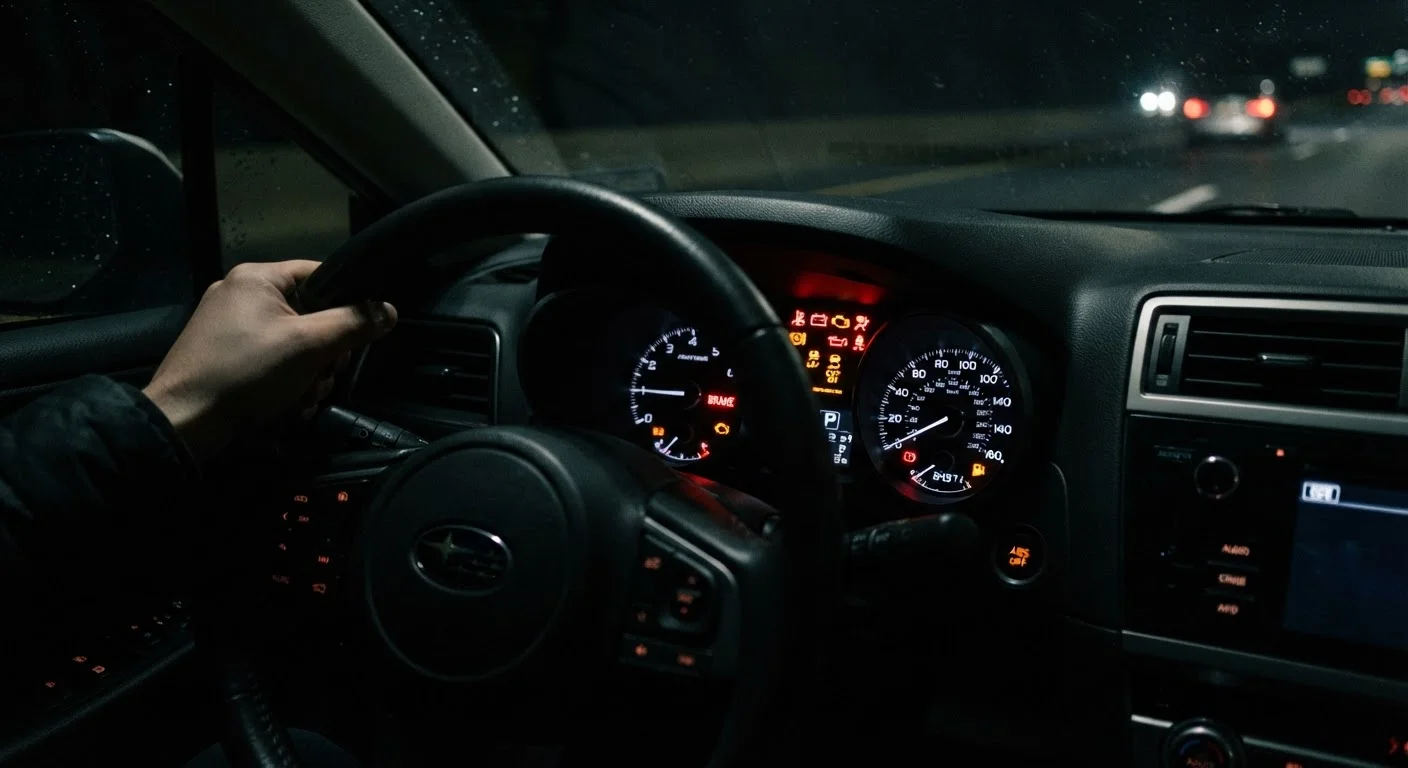
Photo credit: Infolagoon.com | Blogs To Rely On
In this article
From the check engine light to the TPMS icon, this guide explains what common dashboard warnings mean and which ones need immediate attention.
Key Takeaways
- Warning light color signals urgency: red means stop soon, amber means investigate promptly.
- The check engine light covers dozens of issues - a diagnostic scan tells you the actual cause.
- Some lights, like oil pressure or temperature warnings, signal conditions that can cause immediate engine damage.
- The TPMS light indicates a tire is at least 25% below recommended pressure - check all four tires.
- Your owner's manual is the most reliable reference for any light specific to your vehicle model.
How Dashboard Warning Lights Work
Modern vehicles are equipped with an onboard diagnostics system - commonly called OBD-II on cars made after 1996 - that continuously monitors dozens of sensors across the engine, transmission, brakes, and other systems. When a sensor reading falls outside acceptable limits, the system stores a fault code and illuminates the corresponding warning light on your instrument cluster.
Think of these lights as your car's way of sending you a text message. Some are informational nudges; others are urgent alerts. The key is knowing which is which - and not treating every light as either a disaster or something to ignore.
OBD-II
Onboard Diagnostics II - a standardized system in vehicles made after 1996 that monitors engine and emissions components and stores fault codes when something is out of range.
Fault code
A numeric or alphanumeric code stored by the OBD-II system when a sensor reading falls outside normal limits. A mechanic's scanner reads these codes to identify the specific problem.
TPMS
Tire Pressure Monitoring System - sensors inside each wheel that alert you when tire pressure drops significantly below the recommended level.
Instrument cluster
The panel directly behind the steering wheel that displays your speedometer, fuel gauge, and all warning lights.
Catalytic converter
An emissions control device in the exhaust system that converts harmful gases into less harmful ones. It can be damaged by prolonged engine misfires.
The Color Code: Red, Amber, and Green
Dashboard lights follow a traffic-light logic that makes priority easy to gauge at a glance:
- Red: Requires prompt attention. A red light typically signals a condition that could damage your vehicle or poses a safety risk. Pull over when safe and assess the situation.
- Amber/Yellow: Investigate soon. These lights indicate something needs attention but are not usually an immediate emergency. Schedule a check within the next day or two.
- Green or Blue: Informational. These confirm a system is active - your high beams, turn signal, or cruise control, for example. No action needed.
Not every manufacturer follows this convention perfectly, which is why your owner's manual remains the definitive guide for your specific vehicle.
Common Warning Lights Decoded
Here are the warning lights most drivers encounter, explained plainly:
- Check Engine Light (engine outline icon)
- This amber light can represent anything from a loose gas cap to a failing catalytic converter. A mechanic or auto parts store can connect an OBD-II scanner to read the specific fault code stored. Do not ignore a steady light for more than a few days; never ignore a flashing one.
- Oil Pressure Warning (oil can icon)
- Usually red. Signals low oil pressure - not necessarily low oil level, though that can be the cause. Pull over and check the oil level. If it's adequate and the light stays on, do not drive until a mechanic inspects it.
- Temperature Warning (thermometer in liquid icon)
- A red temperature warning means the engine is overheating. Pull over safely, turn off the engine, and let it cool. Never open the radiator cap on a hot engine. See our guide to fluid checks for context on coolant levels.
- Battery Warning (battery icon)
- Indicates the charging system isn't maintaining adequate voltage - commonly a failing alternator or battery. The car may keep running temporarily on battery power alone, but plan to have it inspected promptly to avoid a no-start situation.
- TPMS Light (flat tire with exclamation mark)
- The TPMS light triggers when one or more tires are significantly underinflated. Check all four tires with a gauge and inflate to the PSI listed on your driver's door jamb. For a deeper dive, see our tire pressure field guide.
- Brake Warning Light (circle with exclamation mark)
- Can mean the parking brake is engaged, brake fluid is low, or - more seriously - there's a problem with the brake system itself. Confirm the parking brake is fully released first. If the light stays on, have the brakes inspected immediately.
Snap a Photo of the Light
When a warning light you don't recognize appears, take a quick photo of your dashboard before it resets. This gives your mechanic a visual reference and helps you look it up accurately in your owner's manual. The exact symbol shape matters - two similar-looking icons can mean very different things.
Which Lights Demand Immediate Action
Most warning lights allow you a window of time to reach a mechanic safely. A handful do not. These four warrant pulling over as soon as it is safe to do so:
- Flashing check engine light - signals an active misfire that can damage the catalytic converter rapidly.
- Red oil pressure light - engine internals can be damaged within minutes of running on low oil pressure.
- Red temperature warning - continued driving while overheating can warp cylinder heads, a very expensive repair.
- Red brake warning (with parking brake released) - brake system integrity may be compromised.
For routine maintenance context that complements what your dashboard is telling you, our car maintenance schedule guide explains service intervals in plain language.
Never Ignore a Flashing Warning Light
A steadily lit warning light is a prompt to act soon. A flashing or blinking light - especially the check engine light - signals an active, ongoing fault that can cause rapid mechanical damage. Continuing to drive when a light is flashing risks turning a manageable repair into a far more expensive one. Pull over safely and seek assistance.
What to Do After a Light Comes On
When a warning light illuminates, a calm, methodical approach gets you the best outcome:
- Don't panic. Note what the light looks like and whether it's red or amber.
- Check your owner's manual. It lists every light specific to your vehicle - more reliable than a generic internet search.
- Assess for secondary symptoms. Strange sounds, smells, or handling changes alongside a warning light elevate its urgency.
- Act on color. Red lights warrant stopping soon or pulling over; amber lights warrant a same-day or next-day mechanic visit.
- Get a diagnostic scan. Many auto parts retailers will scan your OBD-II port at no charge, giving you the specific fault code before you visit a mechanic.
If you're planning a longer drive and want to catch issues before they become warnings, our pre-road trip checklist walks through a simple vehicle inspection routine.
This article is for general informational purposes only. For diagnosis and repair of any vehicle issue, consult a qualified, licensed mechanic.
Frequently Asked Questions

Author
Autos & Transport Editorial Team
Autos & Transport Editorial Team is the collective byline for our editorial team and contributor network. Articles published under this byline or an editorial pen name are researched, written, and reviewed according to our editorial standards for clarity, consistency, and independence before publication.
View all articles →