
High-Mileage Vehicles: How Maintenance Priorities Shift After 100,000 Miles
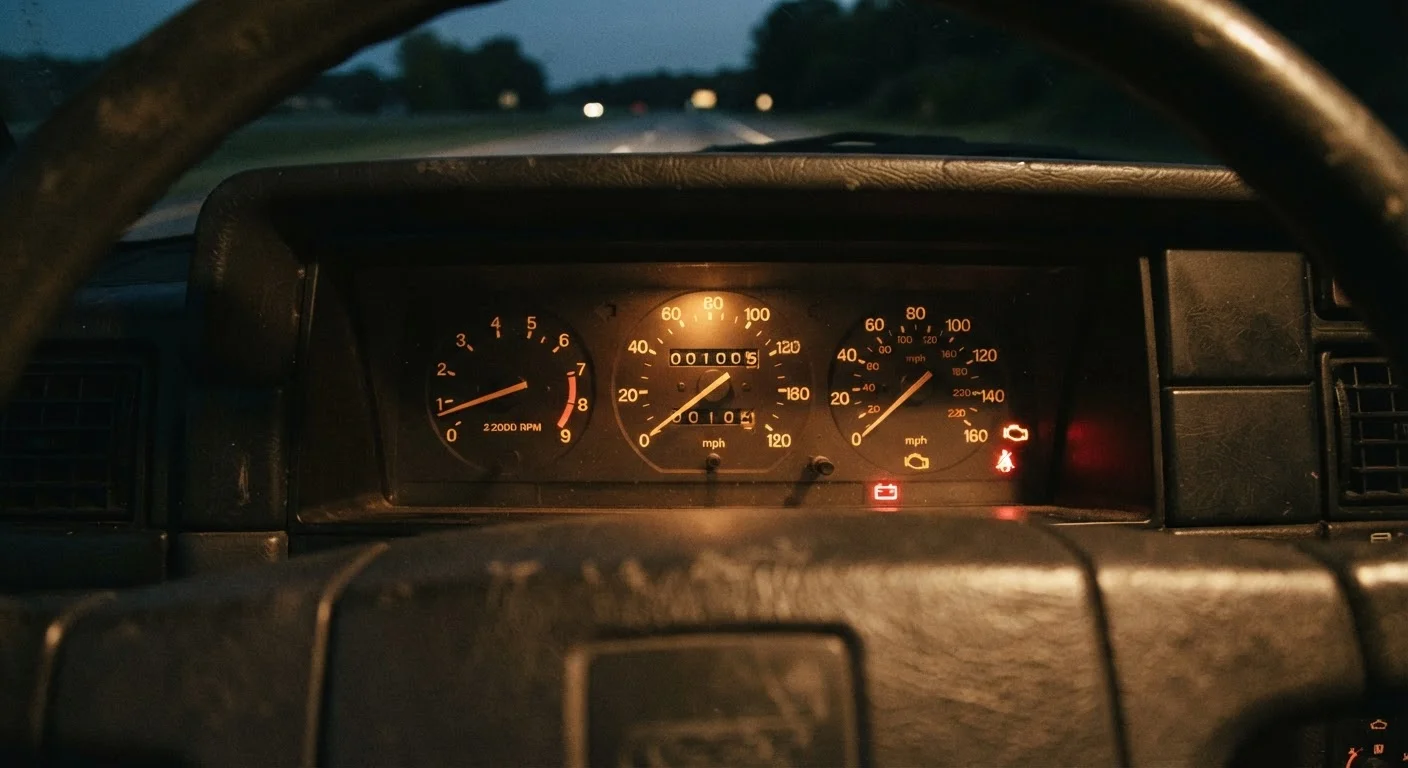
Photo credit: Infolagoon.com | Blogs To Rely On
In this article
Older, high-mileage cars need a different maintenance mindset. Here's what changes and what extra attention pays off as the odometer climbs.
Key Takeaways
- After 100,000 miles, wear-related failures become more likely and preventive maintenance becomes more critical.
- Seals, gaskets, and rubber components age independently of mileage and often need attention around this milestone.
- Timing belt replacement intervals are non-negotiable - a missed service can cause catastrophic engine damage.
- Switching to a high-mileage engine oil formulation can help reduce leaks and oil consumption in older engines.
- Consistent, documented maintenance is the single biggest factor in how long a high-mileage vehicle stays reliable.
Why 100,000 Miles Is a Real Turning Point
A six-figure odometer reading used to signal the end of a car's useful life. Modern vehicles are far more durable than that - many run reliably well past 200,000 miles with proper care. But 100,000 miles does mark a genuine shift in what your car needs from you.
Up to this point, most factory-scheduled maintenance focuses on routine replacement of consumables: oil, filters, spark plugs, brake pads. After 100,000 miles, the emphasis moves toward components that age with both time and use - rubber seals, drive belts, suspension bushings, and gaskets. These parts don't fail on a neat schedule, and they rarely give much warning before they cause bigger problems.
The practical takeaway: the maintenance habits that served you well for the first 100,000 miles aren't wrong, but they need to expand. Interval-based thinking - change the oil every 5,000 miles - remains important, but condition-based inspections become equally valuable. A qualified mechanic who knows your vehicle's history is a real asset at this stage.
~12 years
Average age of vehicles on U.S. roads
According to S&P Global Mobility data, the average American passenger vehicle on the road is approximately 12 years old, making high-mileage ownership increasingly common.
200,000+
Miles many modern engines can reliably reach
Automotive engineering and lubricant improvements mean many well-maintained engines are capable of surpassing 200,000 miles, per long-term durability data from manufacturers.
60-105K
Typical timing belt replacement interval (miles)
Most manufacturers specify timing belt replacement in this range; exact intervals vary by make and model and are listed in the owner's manual.
Fluids and Seals: The First Things to Watch
Engine oil, coolant, transmission fluid, and power steering fluid all do more than lubricate and cool - they carry away combustion byproducts and protect metal surfaces. In a high-mileage engine, these fluids tend to degrade faster because the components they're protecting have more wear. Contaminated or low fluid accelerates that wear further.
One smart move at or after 100,000 miles: switching to a high-mileage engine oil. These formulations contain seal conditioners and additional detergents designed specifically for older engines. They can reduce minor seepage from aging gaskets and help manage slightly elevated oil consumption. This isn't a cure for a leaking head gasket or a worn valve seal - but for a well-maintained engine showing minor weeping around seals, it can make a measurable difference.
Speaking of seals: rubber gaskets, valve cover seals, and O-rings become increasingly vulnerable with age and heat cycling. Watch for oil or coolant spots under the car after it sits overnight. Small seeps caught early are inexpensive repairs. Left alone, they become engine damage.
Check Under the Car After a Cold Soak
Park on a clean, dry surface for several hours and then move the vehicle. Any fresh spots of oil, coolant (which often smells sweet), or transmission fluid indicate a seal or gasket issue worth having inspected. Catching leaks early almost always means a simpler, cheaper repair.
Timing Belts, Chains, and Drivetrain Components
If your engine uses a timing belt (rather than a timing chain), this is the single most consequential maintenance item on a high-mileage vehicle. Timing belts drive the relationship between your engine's crankshaft and camshaft. When one snaps, the result is usually severe internal engine damage - bent valves, scored pistons, a repair bill that often exceeds the car's value.
Most manufacturers specify timing belt replacement between 60,000 and 105,000 miles, but many owners stretch or miss these intervals. If you've bought a used vehicle and don't have documented service records showing when the timing belt was last replaced, treat it as overdue. The cost of replacement is modest compared to the alternative.
Timing chains are generally designed to last the life of the engine but are not immune to wear. Rattling or clattering on a cold start is a warning sign that deserves immediate attention from a mechanic.
While the timing belt is being serviced, it's standard practice to replace the water pump, tensioner, and idler pulleys at the same time - these components are accessed during the same job, and their failure after a belt replacement wastes the labor investment.
When replacing a timing belt, always replace the water pump, tensioner, and idler pulleys in the same service visit - the incremental parts cost is small compared to the labor saved if any of those components fail shortly after.
These components share the same access path as the timing belt, so bundling the work eliminates the need to pay for a second full disassembly if an adjacent part fails within a few thousand miles.
If you don't have a service history for a used high-mileage purchase, treat all major interval items - timing belt, spark plugs, coolant flush, transmission service - as due immediately rather than guessing at their last replacement.
Unknown service history is one of the most common reasons high-mileage vehicles develop avoidable failures; starting fresh with documented service gives you a reliable baseline to work from.
Suspension, Brakes, and Tires on a High-Mileage Car
Suspension components - shock absorbers, struts, ball joints, control arm bushings, and tie rods - wear gradually, which makes their decline easy to miss. By 100,000 miles, most vehicles need at least some suspension attention. Clunking over bumps, a drifting steering wheel, or uneven tire wear are signals worth investigating promptly.
Worn shocks and struts don't just affect ride comfort. They extend stopping distances and reduce a vehicle's ability to hold the road in an emergency stop or evasive maneuver. This is a safety issue, not just a comfort one.
Brake rotors on a high-mileage car are often thinner than they were new - repeated heat cycles warp and wear metal over time. When brake pads are replaced, ask a mechanic to measure rotor thickness and check for warping. A rotor that's at or below minimum thickness needs replacement, not just a resurface.
Tires deserve attention year-round. Sidewall cracking and dry rot can develop on tires that look fine from the tread depth - age matters as much as miles on rubber. Most tire manufacturers recommend replacement after six years regardless of appearance. For more detail on adapting your vehicle prep to changing conditions, see our seasonal vehicle prep guide.
Don't Ignore Uneven Tire Wear
Uneven wear patterns - more on one edge than the other, or a scalloped or cupped appearance - often point to worn suspension components, not just an alignment problem. Replacing tires without addressing the underlying cause means the new tires will wear prematurely too. Have a mechanic inspect the suspension before assuming a simple alignment will fix it.
Shifting Your Maintenance Mindset for the Long Haul
The vehicles that reach 150,000 or 200,000 miles reliably aren't lucky - they're well-documented. Keeping a simple maintenance log (a note in your phone is enough) lets you see at a glance when fluids were last changed, what the last inspection found, and which repairs are coming due. It also increases a vehicle's resale value and makes it easier for any mechanic to give you accurate advice.
The shift in mindset is really about moving from reactive to proactive. At lower mileage, most drivers wait for a warning light or a noticeable problem before acting. On a high-mileage vehicle, a warning light often means a problem has already advanced. Annual inspections - or more frequent ones if you drive heavily - let a trained eye catch developing issues before they cascade.
If you're planning a long drive in a high-mileage vehicle, a pre-trip inspection is especially worthwhile. Our pre-road trip checklist covers the key items to verify before you leave the driveway. And if you want to explore smarter day-to-day driving habits that protect your vehicle over time, the Driving & Commuting hub is a good starting point.
High-mileage ownership is genuinely achievable for most drivers. The vehicles that struggle after 100,000 miles are almost always the ones that didn't get consistent care in the years before. The ones that keep going are the ones whose owners stayed ahead of the wear curve - and knew what to look for.

Author
Autos & Transport Editorial Team
Autos & Transport Editorial Team is the collective byline for our editorial team and contributor network. Articles published under this byline or an editorial pen name are researched, written, and reviewed according to our editorial standards for clarity, consistency, and independence before publication.
View all articles →