
Car Battery Life: What Drains It Faster Than You'd Expect
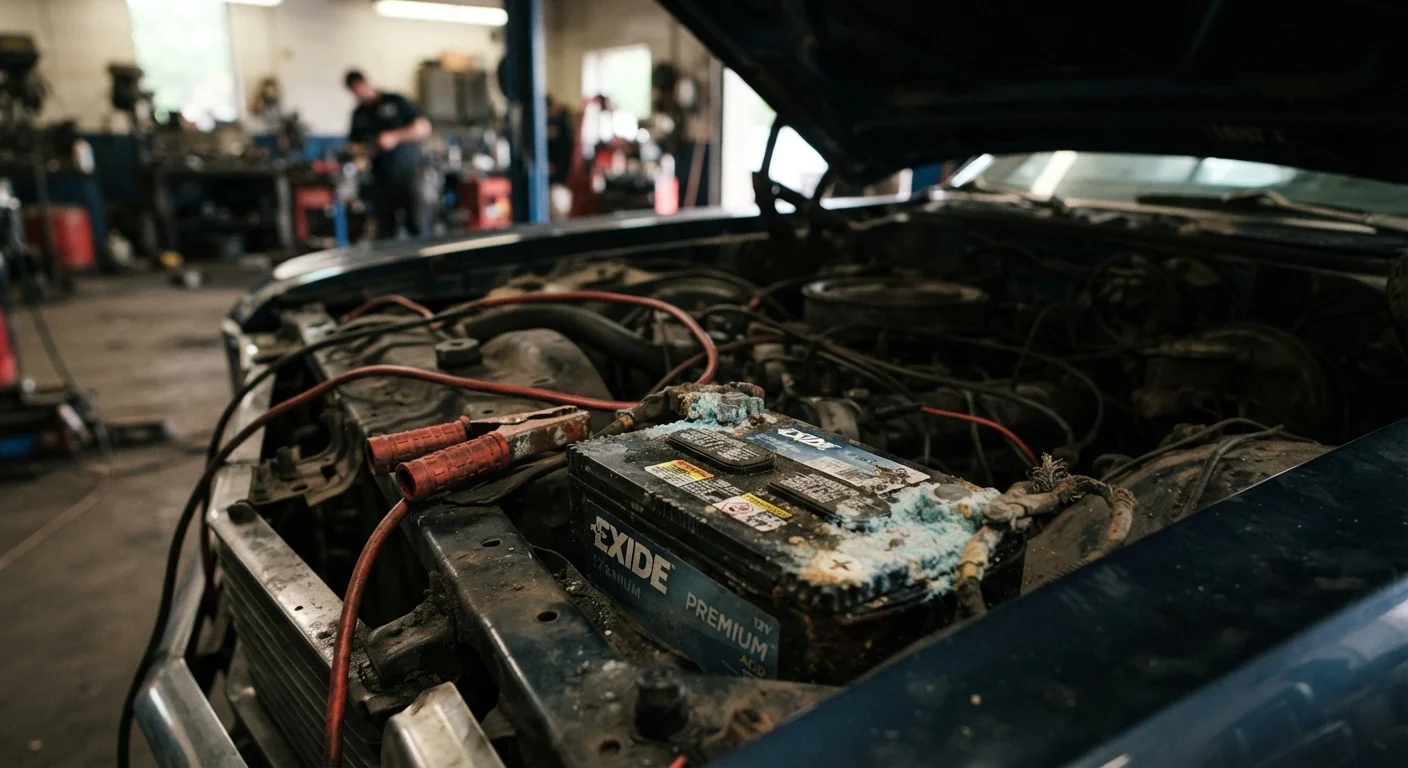
Photo credit: Infolagoon.com | Blogs To Rely On
Extreme temperatures, short trips, and parasitic draws all shorten battery life. Find out what's quietly wearing yours down.
Key Takeaways
- Extreme heat damages battery chemistry more than cold weather does.
- Short trips under 20 minutes prevent the alternator from fully recharging the battery.
- Parasitic draw - power consumed when the car is off - is a common and overlooked drain.
- Leaving lights or accessories on is still one of the most frequent causes of a dead battery.
- Most car batteries last 3-5 years under typical driving conditions.
Why Your Battery Seems Fine Until It Isn't
Car batteries tend to fail quietly. One morning the engine cranks slowly; the next morning it doesn't start at all. That's not bad luck - it's the result of gradual degradation driven by factors most drivers never think about.
Understanding what accelerates battery wear puts you in control. A standard 12-volt lead-acid battery has a typical lifespan of three to five years, but several common habits and conditions can cut that significantly shorter. Here are the biggest culprits worth knowing about.
Extreme Heat
Cold weather gets the blame because that's when cars most visibly struggle to start. But heat is actually the bigger long-term threat. High temperatures accelerate the chemical reactions inside a lead-acid battery, which causes internal corrosion and speeds up fluid evaporation. A battery routinely exposed to engine-bay heat above 100°F can lose years of service life compared to one kept in moderate conditions.
If you live in a hot climate or park outdoors in summer, expect to replace your battery closer to the three-year mark rather than five.
Heat accelerates battery corrosion and fluid loss far more than cold weather does.
Frequent Short Trips
Your alternator - the component that recharges the battery while you drive - needs time to do its job. A trip of less than 15 to 20 minutes often isn't long enough to replenish the energy used to start the engine. If most of your driving consists of short errands, the battery slowly runs a cumulative deficit, weakening its plates over time.
Drivers who primarily make short city trips may want to take an occasional longer drive or use a battery maintainer periodically to keep the charge level healthy.
Short trips repeatedly leave your battery in a partial state of charge, slowly weakening it.
Parasitic Draw
Parasitic draw refers to electrical current that continues flowing from the battery after the ignition is off. Some draw is normal - your car's clock, alarm system, and memory functions all consume a small amount. But a faulty relay, a malfunctioning module, or even a glove box light that stays on can create an abnormal drain that depletes the battery overnight or over a few days.
If your battery keeps dying without an obvious cause, a mechanic can use a multimeter to measure resting current draw and identify the source.
A faulty relay or stuck interior light can quietly drain a healthy battery overnight.
Corroded or Loose Terminals
Battery terminals coated in white or bluish corrosion create resistance in the electrical connection. That resistance forces the battery to work harder to deliver power, which increases wear. A loose terminal cable has the same effect and can cause intermittent electrical issues that are easy to mistake for a failing battery or alternator.
Cleaning terminals with a wire brush and a baking soda solution, then ensuring cable connections are tight, is a low-cost maintenance step that's easy to overlook.
Corroded terminals force your battery to work harder on every start.
Leaving Accessories Running When the Engine Is Off
Headlights, interior dome lights, phone chargers plugged into the 12V outlet, and entertainment systems all draw power. With the alternator inactive, everything comes straight from the battery. Even modern vehicles with automatic shutoff features can have accessories - particularly aftermarket ones - that continue drawing power.
It's still one of the most common causes of a dead battery, and one of the most preventable. Develop the habit of confirming all lights and accessories are off before leaving the vehicle.
A single overnight drain from forgotten headlights can permanently reduce battery capacity.
Extended Periods of Inactivity
A car sitting unused for two weeks or more will experience measurable self-discharge. After a month, the battery may be too depleted to start the engine reliably. Repeated deep discharges - where the battery drops well below its optimal charge level - cause sulfation, a process where lead sulfate crystals form on the battery plates and permanently reduce capacity.
If a vehicle is stored seasonally or rarely driven, connecting a quality battery maintainer (sometimes called a trickle charger) keeps the charge at a healthy level without overcharging.
A month of inactivity can trigger sulfation, permanently reducing your battery's capacity.
Keeping Your Battery in Better Shape
Most battery killers are manageable once you know what to watch for. Drive longer routes regularly, get your charging system checked annually, and use a trickle charger if the car sits idle for more than a couple of weeks. If your battery is approaching the three-year mark, ask a mechanic to load-test it - this gives a much more accurate picture of remaining capacity than a simple voltage reading.
Get a Load Test, Not Just a Voltage Check
A basic voltage reading can show a battery at 12.6 volts - technically 'full' - while it's actually near the end of its useful life. A load test applies a controlled current draw and measures how well the battery holds voltage under strain. This gives a much more accurate picture of remaining capacity. Most auto parts shops and mechanics offer this test at low or no cost.
Just as there are persistent myths about phone charging that don't hold up to scrutiny - see common phone battery myths for a useful comparison - car battery care is also surrounded by half-truths. The basics are straightforward: moderate temperatures, complete charge cycles, and minimal parasitic loads go a long way. Seasonal changes matter too; for a broader look at how summer and winter affect your vehicle, seasonal vehicle prep guidance covers the full picture.
This article provides general vehicle maintenance information for educational purposes only. For diagnosis or repair of specific vehicle issues, consult a qualified mechanic.

Author
Autos & Transport Editorial Team
Autos & Transport Editorial Team is the collective byline for our editorial team and contributor network. Articles published under this byline or an editorial pen name are researched, written, and reviewed according to our editorial standards for clarity, consistency, and independence before publication.
View all articles →