
Driving in Rain, Fog, and Snow: How Wet and Low-Visibility Conditions Change the Rules
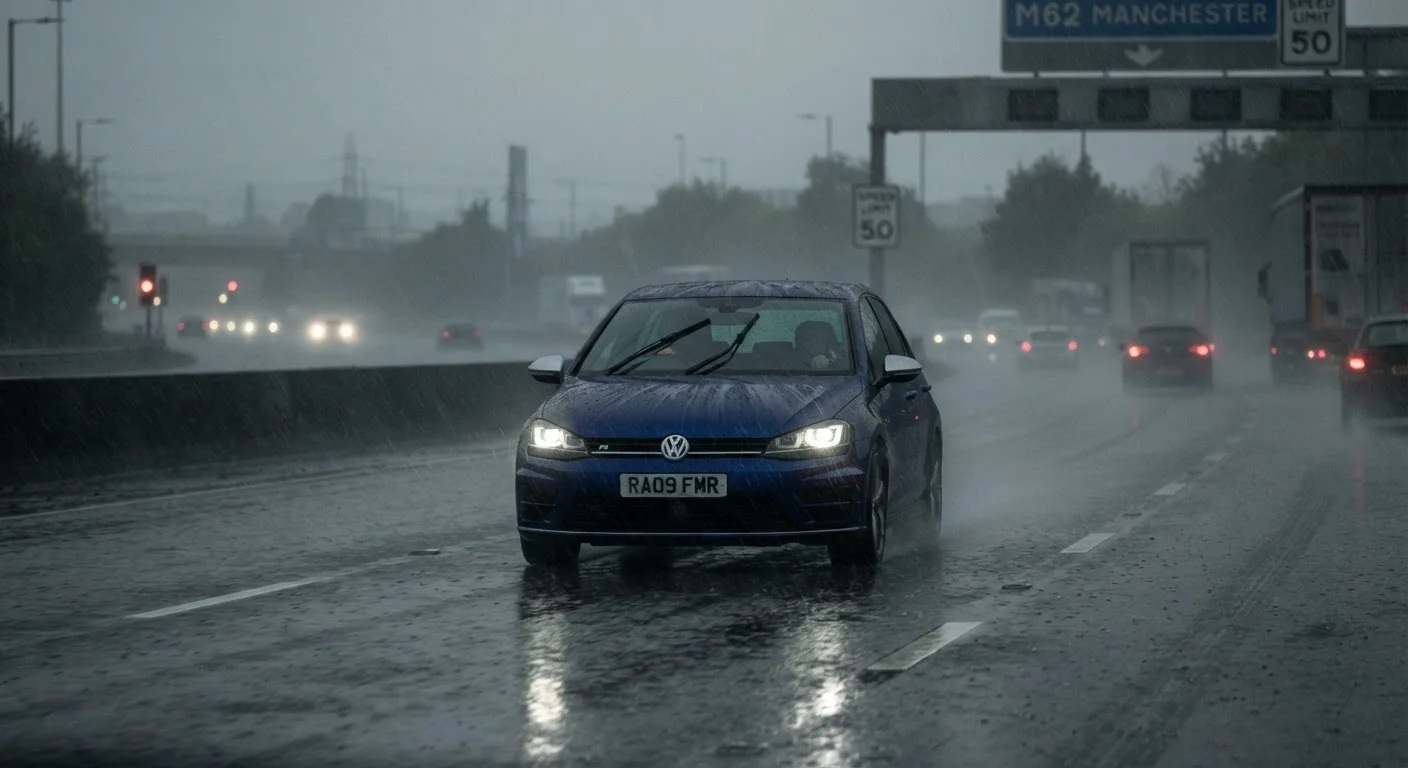
Photo credit: Infolagoon.com | Blogs To Rely On
In this article
Adverse weather demands different techniques than dry roads. Understand how to adjust your speed, following distance, and controls when visibility drops.
Key Takeaways
- Wet roads can double or triple your stopping distance compared to dry pavement.
- Fog calls for low-beam headlights, not high beams, which reflect glare back at you.
- In snow and ice, gentle inputs on steering, braking, and acceleration prevent loss of control.
- Tires in poor condition make every adverse-weather risk significantly worse.
- Increasing following distance is the single most effective adjustment in any bad-weather scenario.
Why Adverse Weather Rewrites the Rules
Most driving habits are calibrated for dry, clear conditions - the default state roads are designed around. When rain, fog, or snow arrives, those habits don't just become less effective; they can become actively dangerous. The physics of the road change, your senses are limited, and the margin for error shrinks considerably.
Understanding why conditions change the rules helps you apply corrections instinctively rather than guessing. This isn't about driving scared - it's about recalibrating what safe looks like before the situation forces it on you.
For a broader look at how road type affects required skills, see how city and highway driving differ.
21%
U.S. crashes attributed to weather conditions
According to the Federal Highway Administration, weather-related crashes account for roughly 21% of all vehicle crashes annually in the United States.
2-3×
Increase in stopping distance on wet roads
General transportation safety guidance indicates that stopping distances can be two to three times longer on wet pavement compared to dry conditions at the same speed.
Driving in Rain: Traction Is the First Thing to Go
Rain reduces tire grip in two main ways: it lubricates the road surface, and at higher speeds, it can cause hydroplaning - where a layer of water builds between your tires and the pavement, eliminating contact entirely. Even light rain on oil-contaminated roads (common after a dry spell) creates slippery conditions that look deceptively normal.
Increase your following distance to at least four seconds in rain
Wet roads can double stopping distances compared to dry pavement. The standard two-second following distance simply isn't enough when traction is reduced, and most drivers underestimate how much longer it takes to stop.
Ease off the accelerator gradually if you feel hydroplaning begin
Sudden braking or steering corrections during hydroplaning can trigger a spin. Smoothly reducing speed allows the tires to reestablish contact with the pavement without overcorrecting.
Turn on headlights in rain, even during daytime
Headlights in rain aren't primarily for you to see - they help other drivers and pedestrians see your vehicle in reduced visibility. Many states legally require headlights when wipers are running.
Brake before curves in snow, not during them
Braking while turning on a slick surface splits available traction between steering and stopping, dramatically increasing skid risk. Reducing speed before the curve keeps full traction available for steering through it.
Use a larger buffer from the vehicle ahead in fog
In dense fog, a vehicle can appear and need emergency braking within seconds of becoming visible. The standard following distance assumes you can see a hazard from a reasonable distance - fog eliminates that assumption.
Your tires' ability to channel water away depends heavily on tread depth and inflation. Worn or underinflated tires dramatically increase hydroplaning risk. The complete guide to tire pressure and tread depth explains exactly what to check and how often.
Fog: The Visibility Trap Most Drivers Misjudge
Fog is uniquely deceptive because it makes roads look passable right up until a hazard is directly in front of you. Drivers routinely overestimate how far ahead they can actually see - and underestimate how quickly a stopped vehicle or debris can appear out of the haze.
Low Beams, Not High Beams, in Fog
Switching to high beams in fog is a common instinct - and a counterproductive one. The light bounces off water droplets and reflects directly back at your eyes, reducing how far you can see and tiring your vision faster. Keep low beams on, reduce speed to match your actual sight distance, and use hazard lights only if you are stopped or moving dangerously slowly - not as a general fog driving setting.
The core fog rule: use low-beam headlights, not high beams. High beams scatter off fog particles and reflect glare back into your eyes, reducing your effective sight line. If your vehicle has dedicated fog lights, use them according to your owner's manual guidance. Reduce speed enough that you can stop within the distance you can actually see - not the distance you assume you can see.
Fog also heightens the mental fatigue of driving. If you find concentration dropping on a long fog-bound commute, highway hypnosis is a real risk worth understanding.
Snow and Ice: Small Inputs, Big Consequences
Snow and ice compress the tolerance for driver inputs to near zero. A sharp steering correction, a hard brake application, or sudden acceleration on a slick surface can cause a skid that's difficult or impossible to recover from at speed. The goal on icy roads is smooth, gradual everything.
Modern vehicles often have ABS (anti-lock braking system) and traction control, which help prevent wheel lockup and spin. These systems assist - they don't replace physics. You still need longer stopping distances and gentler inputs. For detail on how speed and surface interact with stopping distance, see what actually affects your stopping distance.
Four-wheel drive and all-wheel drive help with acceleration on snow but do not shorten stopping distances. Drivers of AWD vehicles are often overconfident on ice - the same physics apply to braking regardless of drivetrain.
This article provides general driving guidance for informational purposes. Adjust your behavior based on local conditions, posted advisories, and your vehicle's specific capabilities. In severe weather, consider whether travel is necessary at all.

Author
Autos & Transport Editorial Team
Autos & Transport Editorial Team is the collective byline for our editorial team and contributor network. Articles published under this byline or an editorial pen name are researched, written, and reviewed according to our editorial standards for clarity, consistency, and independence before publication.
View all articles →