
Scalp Health 101: What It Is and Why It Matters More Than Your Hair
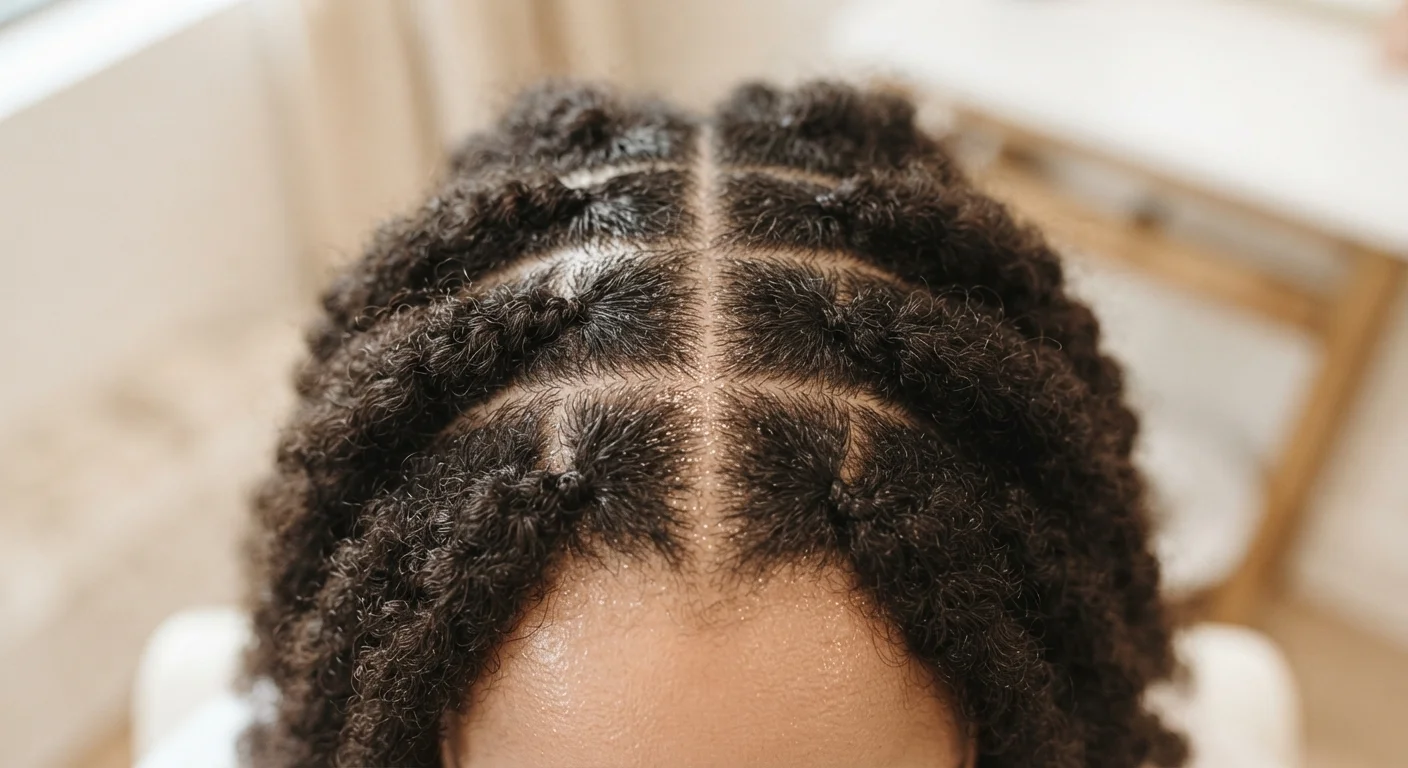
Photo credit: Infolagoon.com | Blogs To Rely On
In this article
Your scalp is the foundation of healthy hair. Learn what scalp health means, what disrupts it, and how to recognize common issues.
Key Takeaways
- Your scalp is skin — it needs consistent, appropriate care just like the skin on your face.
- Common signs of an unhealthy scalp include itching, flaking, excess oiliness, and hair thinning.
- Product buildup, harsh cleansers, and infrequent washing are among the most common scalp disruptors.
- Diet, stress, and hormones influence scalp condition from the inside out.
- Addressing scalp issues early can help prevent longer-term effects on hair growth and density.
Why the Scalp Deserves More Attention Than It Gets
Most hair care conversations focus on the strand — shine, length, moisture, breakage. But the scalp? It's often treated like an afterthought, something to address only when a problem shows up. That's a missed opportunity, because everything happening at the root directly shapes what grows above it.
Your scalp is a living, dynamic layer of skin with its own microbiome (the community of microorganisms that naturally live there), its own sebaceous glands producing oil, and thousands of hair follicles doing the ongoing work of growing hair. When the environment is balanced, follicles function well. When it's off — from buildup, inflammation, or dryness — that disruption can show up as flaking, itching, or even changes in hair density over time.
See our head-to-toe overview of hair growth factors for a broader look at what shapes how your hair grows.
~100,000
Average number of hair follicles on the human scalp
Each follicle is embedded in scalp skin and directly dependent on the health of that surrounding tissue to function properly.
50–100
Strands shed daily — considered typical
Dermatologists commonly cite this range as normal daily shedding; significant deviation from it may warrant professional evaluation.
~5%
Of scalp skin surface area occupied by sebaceous glands
The scalp is one of the most sebum-rich areas of the body, which is why oil balance plays such a central role in scalp health.
What Disrupts Scalp Health
Scalp imbalance rarely comes from a single source. The most common culprits include:
- Product buildup: Styling products, dry shampoo, and heavy conditioners can accumulate on the scalp over time, potentially clogging follicles and altering the pH of the skin's surface.
- Harsh or poorly matched cleansers: Shampoos with very aggressive surfactants can strip the scalp's natural oils, prompting it to overproduce sebum in response. Understanding the difference between sulfate-free and regular shampoos can help you match your cleanser to your scalp type.
- Infrequent washing: Going too long between washes allows dead skin cells, sweat, and sebum to accumulate — conditions that can feed an imbalanced scalp microbiome.
- Diet and hydration: Nutritional deficiencies, particularly in iron, zinc, and B vitamins, are associated with changes in scalp and hair health.
- Stress and hormonal fluctuations: These internal factors influence oil production and can trigger or worsen conditions like seborrheic dermatitis.
- Hard water and environmental exposure: Mineral deposits from hard water and pollution can affect the scalp's surface over time.
Check Your Water, Not Just Your Products
If you've switched shampoos and your scalp still feels dry, gunky, or irritated, your water quality may be a factor. Hard water — high in minerals like calcium and magnesium — is prevalent across much of the US and can leave residue on the scalp that affects how products perform. A clarifying rinse or scalp-specific treatment designed for mineral buildup may help, though results vary by individual.
Recognizing Common Scalp Signals
Your scalp communicates when something is off. Learning to read those signals early is practical, not paranoid. Common signs to pay attention to include:
- Persistent flaking: Whether oily and clumped or fine and powdery, flakes suggest something is out of balance. The causes — and solutions — differ between dandruff and dry scalp. Our guide on dandruff vs. dry scalp breaks down the difference clearly.
- Itching or tenderness: Occasional itching is normal, but chronic itching often points to dryness, product sensitivity, or a fungal imbalance.
- Excess oiliness or unusual odor: Can indicate sebum overproduction or microbial overgrowth.
- Visible redness or irritation: Scalp inflammation may signal a skin condition that benefits from professional evaluation.
- Increased shedding: A meaningful increase in hair fall — especially near the roots — can sometimes trace back to scalp health, though many factors contribute to shedding.
“The scalp is often overlooked in hair care, but it's fundamentally skin — and it responds to neglect, irritation, and imbalance the way skin anywhere else on the body does.”
— Board-certified dermatologist (general clinical perspective), General clinical perspective, widely reflected in dermatology literature
If you're noticing significant or sudden hair changes, it's worth consulting a dermatologist. General scalp care information is educational — it's not a substitute for professional evaluation of symptoms that concern you.
For a practical self-check on your current grooming habits, try our weekly hair and grooming audit.
Building a Scalp-First Mindset
Shifting toward scalp-first thinking doesn't require an elaborate routine. It starts with a few practical reorientations:
- Cleanse the scalp, condition the ends. Shampoo is for the scalp; conditioner is generally for the mid-shaft and ends. Applying heavy conditioner directly to the scalp can contribute to buildup.
- Give your scalp a gentle massage when washing. Using your fingertips (not nails) to work in cleanser can support circulation and help dislodge buildup more effectively than simply letting product sit.
- Rinse thoroughly. Product residue left on the scalp is a common, easily overlooked source of irritation and buildup.
- Pay attention to how your scalp feels between washes. Persistent tightness, oiliness, or itching are signals worth tracking — they often point toward wash frequency or product adjustments.
Hair care decisions — from shampoo choice to styling habits — affect the scalp as much as the strand. And strand health itself is downstream of what's happening at the root. If you've been dealing with breakage, it's worth considering whether scalp condition is part of the picture. Our article on why hair keeps breaking covers the full range of contributing factors.
This article is for general informational and educational purposes only and is not a substitute for professional medical or dermatological advice. If you have persistent scalp symptoms or concerns about hair loss, please consult a qualified healthcare provider.
Frequently Asked Questions

Author
Style & Beauty Editorial Team
Style & Beauty Editorial Team is the collective byline for our editorial team and contributor network. Articles published under this byline or an editorial pen name are researched, written, and reviewed according to our editorial standards for clarity, consistency, and independence before publication.
View all articles →