
Why Your Hair Keeps Breaking (And It's Probably Not Your Shampoo)
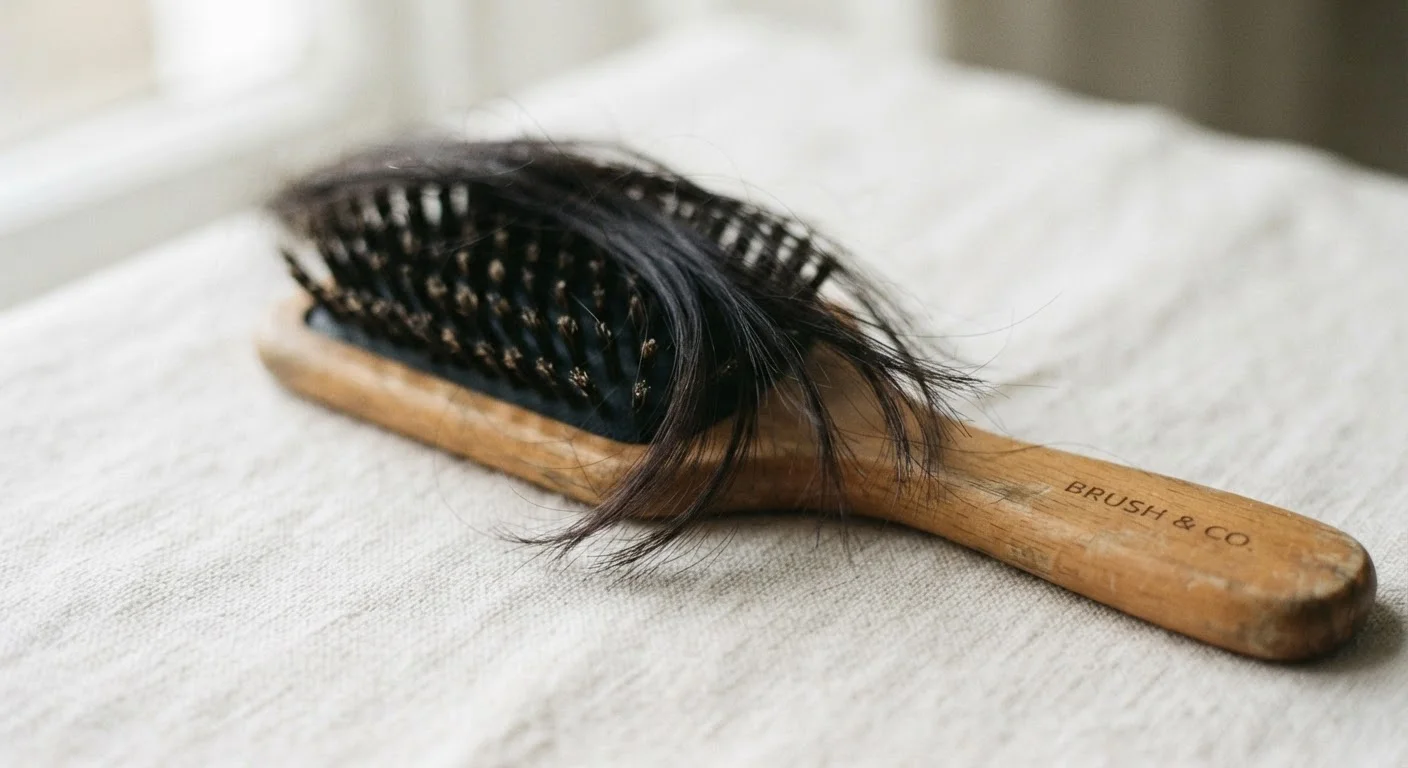
Photo credit: Infolagoon.com | Blogs To Rely On
Breakage has many roots — heat, tension, diet, even sleep habits. Here's how to identify what's actually weakening your strands.
Key Takeaways
- Heat styling and mechanical stress are among the most common — and correctable — causes of hair breakage.
- Nutritional gaps, especially protein and iron, can quietly weaken strands from the inside out.
- How you sleep, towel-dry, and detangle matters just as much as what products you use.
- Identifying your specific breakage trigger is the first step toward lasting improvement.
Breakage Is a Symptom, Not a Sentence
If you're finding short, snapped pieces of hair on your pillowcase, in your brush, or along your hairline, you're not alone — and you're not stuck. Hair breakage is incredibly common, but it's also one of the most misdiagnosed hair problems out there. People swap shampoos, load up on conditioning masks, and still wonder why nothing changes. That's because breakage is rarely about the cleanser. It's almost always about what's happening before, during, and after the wash.
The encouraging news: most breakage has identifiable causes and addressable solutions. Everyday grooming habits — from how you dry your hair to how you tie it back — often do far more damage than your shampoo ever could. Understanding why your strands are snapping puts you in control of fixing it.
Using heat tools daily without a protective barrier.
Why it happens: High-heat styling feels like the fastest path to a polished look, and many people assume the damage risk is overstated.
Detangling dry hair aggressively — or starting from the roots.
Why it happens: It feels efficient to brush from root to tip in one sweep, and many people don't realize wet or dry hair has a breakage-risk sweet spot.
Sleeping on a rough cotton pillowcase without protecting your hair.
Why it happens: Most people don't consider their sleep surface a hair-care variable, so it never enters the breakage equation.
Wearing tight ponytails or elastics in the same spot every day.
Why it happens: Repetitive styling feels consistent and convenient, so the cumulative mechanical tension at the breakage point goes unnoticed.
Neglecting protein and moisture balance in the diet.
Why it happens: Hair breakage is often treated as a topical problem, so internal factors like nutrition rarely get examined first.
Skipping regular trims and assuming length retention means avoiding scissors.
Why it happens: The logic feels sound — cutting hair seems counterproductive to growing it — but split ends travel up the shaft and cause more breakage over time.
The Stats Behind the Strands
Hair breakage doesn't happen in isolation. Research in trichology (the scientific study of hair and scalp health) consistently points to mechanical stress, thermal damage, and nutritional deficiencies as leading contributors to compromised hair structure. Even sleep surfaces and elastic bands have documented effects on strand integrity. If you want to dig deeper into your own habits, a weekly hair and grooming audit can help you spot patterns you might be overlooking.
~100
Hairs lost per day considered normal shedding
According to the American Academy of Dermatology, losing up to 100 hairs daily through shedding is within the typical range for most adults.
450°F+
Temperature at which keratin protein degrades
Research in hair science indicates that sustained heat above approximately 450°F begins to irreversibly alter the keratin structure of the hair shaft.
3x
Greater friction from cotton vs. satin surfaces
Studies on textile friction and hair found that rougher fabrics like cotton create significantly more mechanical stress on strands compared to satin or silk alternatives.
It's also worth noting that breakage and shedding are different things. Shedding involves hair releasing from the follicle (root intact); breakage is the shaft snapping mid-length or at the ends. If you're unsure which you're experiencing, a dermatologist or licensed trichologist can help clarify — especially if the loss feels sudden or significant.
When Breakage May Signal Something More
Sudden, widespread breakage — especially accompanied by scalp changes, patchy thinning, or hair loss at the root — can sometimes indicate a medical condition such as a thyroid disorder, hormonal imbalance, or alopecia. These causes require professional evaluation, not a new conditioner. If your breakage feels sudden or severe, please consult a dermatologist or your primary care provider.
This article is for general informational purposes only and does not constitute medical advice. If you are concerned about significant hair loss or changes in your scalp health, consult a qualified healthcare professional.

Author
Style & Beauty Editorial Team
Style & Beauty Editorial Team is the collective byline for our editorial team and contributor network. Articles published under this byline or an editorial pen name are researched, written, and reviewed according to our editorial standards for clarity, consistency, and independence before publication.
View all articles →