
Weekly Hair and Grooming Audit: A Self-Check for Healthier Habits
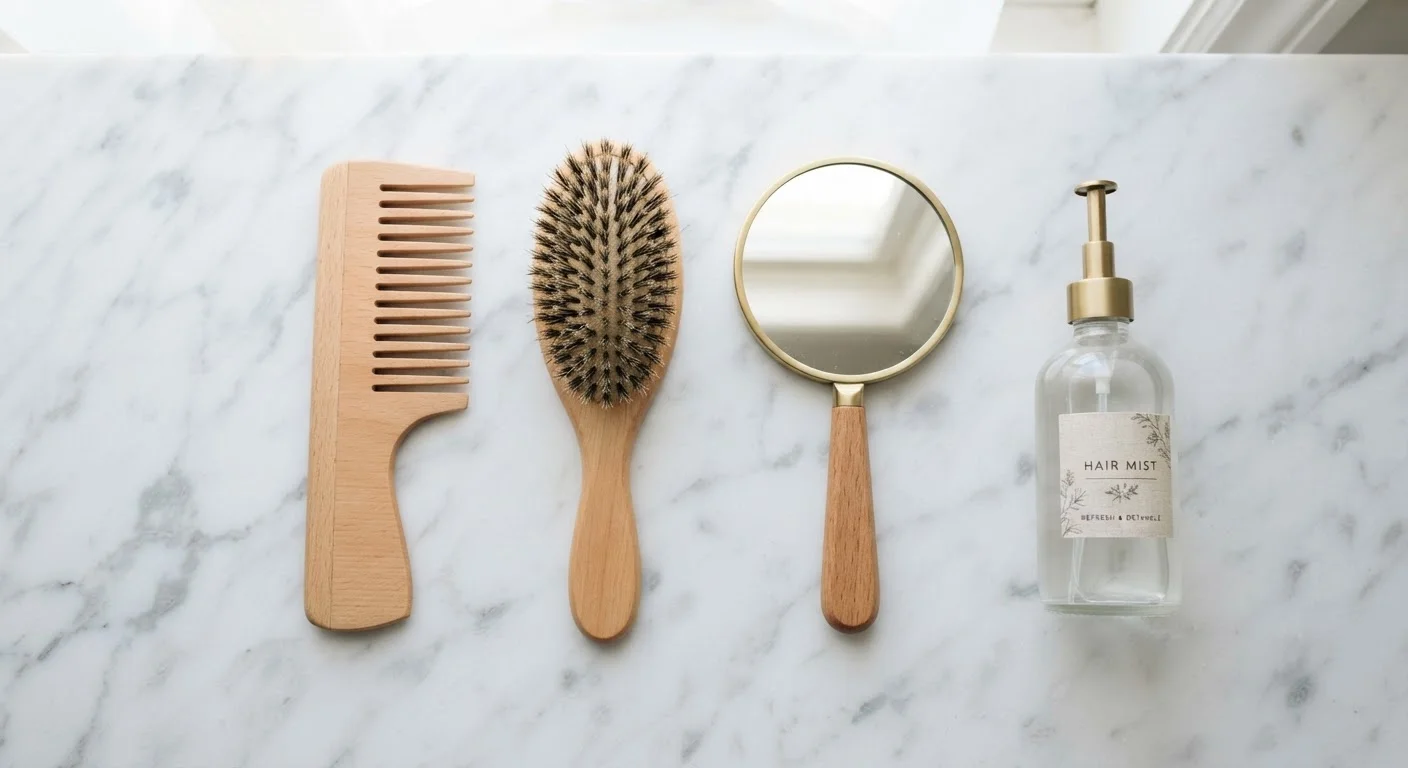
Photo credit: Infolagoon.com | Blogs To Rely On
In this article
A practical checklist covering scalp condition, moisture balance, tool hygiene, and styling habits — to help you spot what needs attention.
Key Takeaways
- Scalp health is the foundation of hair health — checking it weekly helps you catch issues early.
- Moisture balance matters for all hair types, not just textured or color-treated hair.
- Dirty tools can undo the benefits of even the best hair care routine.
- Styling habits — tension, heat, and frequency — accumulate damage over time.
- A weekly audit takes under 30 minutes and builds awareness that guides smarter long-term choices.
Why a Weekly Hair Audit Is Worth Your Time
Most hair problems don't show up overnight. Breakage, scalp irritation, and dullness tend to build gradually — and by the time they're obvious, they've often been brewing for weeks. A short weekly check-in interrupts that pattern before it becomes a bigger headache.
Think of it the way you might approach a monthly financial review — small, consistent check-ins prevent surprises down the road. The same logic applies here: five minutes of observation now saves you from a lot of frustration later.
This checklist is designed for all hair types and textures. Whether you have fine straight hair, coily 4C strands, color-treated waves, or anything in between, the categories below are relevant to you — even if the specific answers vary. For a deeper dive into curl-specific care, see our guide on building a routine around your curl pattern.
Scalp Condition
Moisture and Texture
Tool Hygiene
Styling Habits
How to Use This Checklist
Pick one consistent day each week — Sunday evenings work well for many people — to run through this audit. You don't need to act on everything at once. The goal is observation first, adjustment second.
Don't Treat Every Observation as a Problem
It's easy to spiral into over-correcting after an audit — adding more products, washing more frequently, or changing everything at once. Resist that urge. The checklist is designed to build awareness, not trigger an overhaul every week. Make one small adjustment at a time and give it two to three weeks before evaluating whether it helped.
Keep a simple notes app or notebook entry so you can spot patterns over time. If your scalp consistently feels tight on wash day, or your ends always look ragged by midweek, that's data worth acting on. Pair this habit with our beginner skin care checklist for a more complete weekly self-care routine.
You'll also want the right tools on hand before you begin.
Wide-tooth comb
Used to gently detangle during the audit without causing unnecessary breakage.
Handheld mirror
Helps you inspect the back of your scalp and hairline that are hard to see straight-on.
Mild clarifying shampoo
Useful if the audit reveals product buildup on the scalp that regular shampoo hasn't cleared.
Small spray bottle with water
Lightly misting hair helps assess true texture and elasticity more accurately than checking dry strands.
Soft-bristle brush
Useful for distributing scalp oils along the hair shaft as part of a quick assessment and light detangle.
Digging Deeper: What the Audit Reveals Over Time
Running this checklist consistently does something useful: it gives you a personal baseline. Once you know what your scalp normally looks and feels like, what your hair's natural texture is between wash days, and how your ends typically hold up — deviations become meaningful signals rather than vague worries.
Protective styles, for example, can mask scalp buildup and tension damage until they're removed. If you wear braids, twists, or wigs regularly, your audit should include a close look at the hairline and nape when styles come down. Our article on protective style trade-offs covers what to watch for specifically.
Similarly, if you've noticed more grays recently, your audit is a good moment to assess whether your routine needs adjusting — moisture needs can shift with changing hair texture. Gray hair care has its own nuances worth understanding.
Persistent Scalp Issues Warrant Professional Attention
If your audit consistently reveals significant flaking, pain, open sores, or unexplained patchy hair loss, please don't self-treat based on general guides alone. These symptoms can have underlying causes — including dermatological conditions — that benefit from professional evaluation. A dermatologist or trichologist is the right resource, not just a new shampoo.
Finally, don't overlook wash frequency as part of your audit. If your scalp is consistently oily by day three, or bone-dry after every shampoo, your current schedule may not match your hair's actual needs. Our guide on how often to shampoo can help you recalibrate.
This article is for general informational purposes only and does not constitute medical or dermatological advice. If you're experiencing persistent scalp pain, significant hair loss, or skin concerns, consult a qualified healthcare professional or dermatologist.

Author
Style & Beauty Editorial Team
Style & Beauty Editorial Team is the collective byline for our editorial team and contributor network. Articles published under this byline or an editorial pen name are researched, written, and reviewed according to our editorial standards for clarity, consistency, and independence before publication.
View all articles →