
Everything That Affects Hair Growth: A Realistic, Head-to-Toe Overview
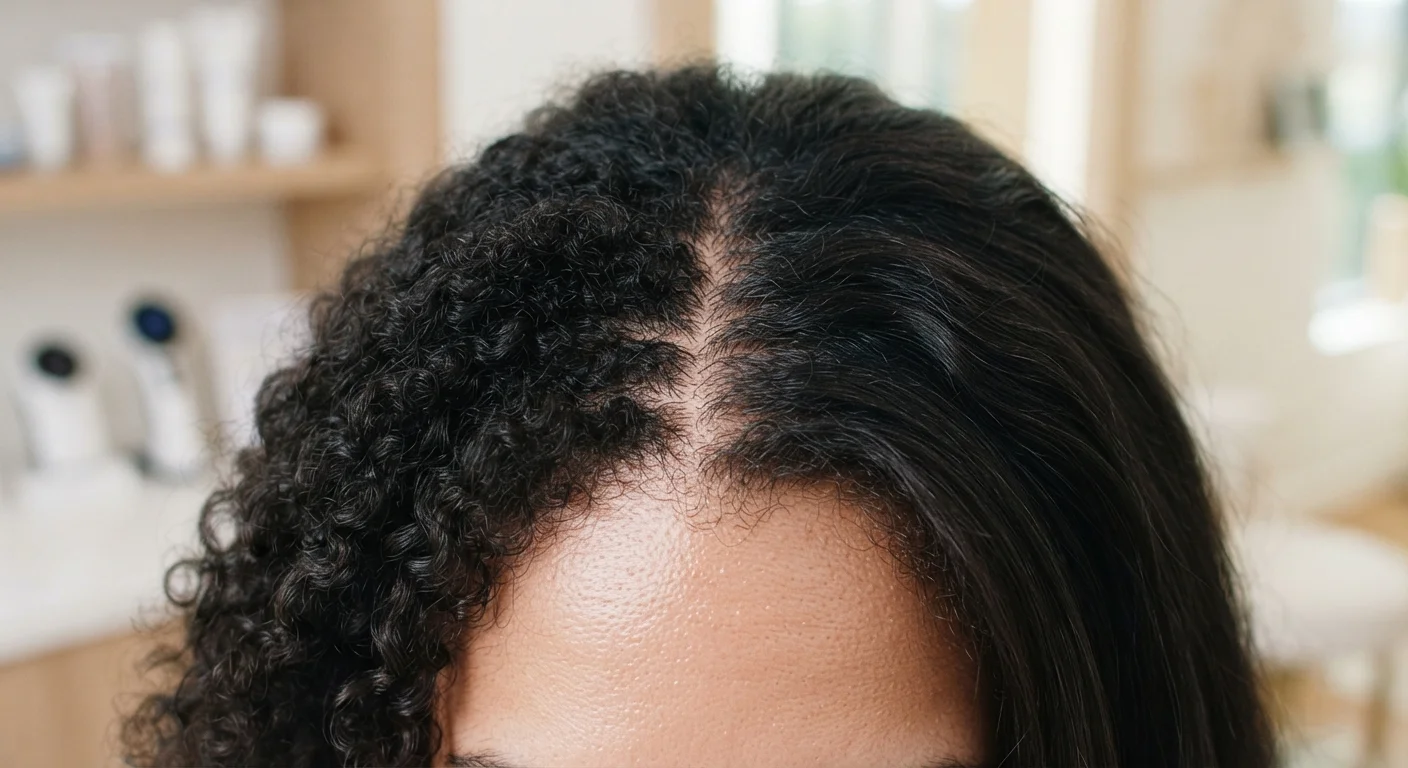
Photo credit: Infolagoon.com | Blogs To Rely On
In this article
From genetics and hormones to nutrition and stress, this guide maps the full picture of what influences how your hair grows.
Key Takeaways
- Hair growth is governed by genetics and hormones, which set your baseline rate and density.
- Nutritional deficiencies — especially iron, protein, and zinc — are among the most common correctable causes of slowed growth.
- Chronic stress and poor sleep can push hair follicles into a resting phase earlier than normal.
- Scalp health directly affects the environment your follicles grow in — neglecting it limits results.
- Many grooming habits quietly work against growth without the person realizing it.
- Persistent or sudden hair loss always warrants a conversation with a healthcare provider.
How Hair Actually Grows
Every strand of hair grows from a follicle embedded in your scalp, cycling through three distinct phases: anagen (active growth), catagen (transition), and telogen (resting and shedding). At any given moment, roughly 85–90% of your hair is in the anagen phase, which can last two to seven years depending on your genetics. The catagen phase is brief — about two weeks — and telogen lasts two to four months before the strand sheds and a new cycle begins.
The average rate of hair growth is commonly cited at about half an inch per month, though this varies widely by person, hair type, and age. Understanding this cycle matters because many things that people interpret as "hair not growing" are actually disruptions to this cycle — follicles pushed prematurely into telogen, or anagen phases cut short. The good news: most follicles are remarkably resilient when given the right conditions.
For a deeper look at the foundation your hair grows from, see our guide to scalp health.
Genetics and Hormones: The Baseline You Start With
Your DNA sets the ceiling for hair density, texture, follicle size, and how long each hair's anagen phase lasts. If your family members experience thinning or early hair loss, those patterns are meaningful signals — though not absolute destiny. Genetics influence the sensitivity of your follicles to androgens (hormones like DHT), which is the primary driver of androgenetic alopecia, commonly called pattern hair loss.
Hormonal shifts throughout life also play a major role. Thyroid imbalances — both overactive and underactive — are well-documented causes of hair thinning. Postpartum hormonal changes often trigger temporary but significant shedding (telogen effluvium) several months after delivery. Menopause, polycystic ovary syndrome (PCOS), and other endocrine conditions each carry their own hair-related effects. Because hormones operate system-wide, symptoms often don't point obviously to their source.
Sudden or Patchy Hair Loss Needs Professional Evaluation
If you notice sudden or patchy hair loss, significant overall thinning, or changes in hair texture alongside other symptoms, consult a dermatologist or your primary care provider. These can signal underlying medical conditions that deserve proper evaluation — not just a new product or supplement. Earlier assessment generally means more options.
If you notice sudden or patchy hair loss, significant overall thinning, or changes in hair texture alongside other symptoms, consult a dermatologist or your primary care provider. These can signal underlying medical conditions that deserve proper evaluation — not just a new product or supplement.
Nutrition's Role in Hair Growth
Hair follicles are among the most metabolically active cells in the body, which makes them highly sensitive to nutritional shortfalls. The most commonly implicated deficiencies include:
- Iron: Low ferritin (stored iron) is one of the most frequently identified correctable contributors to hair shedding, particularly in women with heavy menstrual cycles.
- Protein: Hair is made almost entirely of keratin, a protein. Chronically low protein intake can push follicles into a resting phase.
- Zinc: Involved in tissue repair and follicle function; deficiency is associated with hair loss.
- Biotin: Often over-marketed, but genuine deficiency (which is rare in people eating a varied diet) does impair hair growth.
- Vitamin D: Receptors for vitamin D are found in hair follicles, and research suggests a link between low levels and certain types of hair loss, though causality is still being studied.
~85–90%
Hair in active growth phase at any time
The anagen (growth) phase typically accounts for the vast majority of your hair at any given moment, according to general dermatological reference ranges.
~0.5 in/month
Average hair growth rate
The commonly cited average across the general population, though individual rates vary based on genetics, age, and health status.
2–7 years
Typical anagen phase duration
The length of the active growth phase varies significantly by individual genetics, which largely determines maximum hair length potential.
A varied, protein-adequate diet is the most evidence-supported nutritional foundation for healthy hair growth. Blanket supplementation without confirmed deficiencies is generally not recommended — and in some cases, excess supplementation (such as very high doses of vitamin A) can itself contribute to shedding. Always discuss supplements with a healthcare provider before starting them.
Stress, Sleep, and Systemic Health
Significant physical or emotional stress can trigger telogen effluvium — a condition where a large proportion of hairs prematurely enter the resting phase simultaneously. The shedding typically becomes noticeable two to four months after the stressful event, which is why people often can't connect the cause to the effect. Common triggers include illness, surgery, rapid weight loss, grief, and prolonged psychological stress.
Sleep is when the body repairs and regenerates. Chronic sleep deprivation elevates cortisol, disrupts hormonal balance, and impairs the cellular processes that support follicle activity. While the direct relationship between sleep and hair growth is still being studied, general health research firmly supports adequate sleep as foundational to every system in the body — hair included.
If you're shedding noticeably more than usual, think back two to four months — not last week. Telogen effluvium follows a delayed timeline that regularly catches people off guard.
The lag between trigger and visible shedding is one of the most misunderstood aspects of hair loss, often leading people to attribute shedding to the wrong cause entirely.
Ask your provider to check ferritin specifically, not just hemoglobin. You can have low iron stores that affect hair without being technically anemic.
Standard complete blood counts may not reveal low ferritin, yet research has linked suboptimal ferritin levels to hair shedding — especially in premenopausal women.
Systemic conditions including autoimmune disorders (such as alopecia areata), diabetes, and anemia each affect hair growth through different mechanisms. Certain medications — including some antidepressants, blood pressure medications, and chemotherapy agents — also list hair loss as a known side effect. If you've started a new medication and noticed a change in your hair, that conversation belongs with your prescribing provider.
Scalp Health and Grooming Habits
A healthy scalp provides the environment your follicles need to function well. Chronic inflammation, product buildup, fungal conditions like seborrheic dermatitis, and poor circulation can all impede the follicle's ability to produce strong, healthy strands. Scalp massage — particularly with gentle, consistent pressure — has shown some early promise in small studies for supporting circulation, though it isn't a standalone solution.
Grooming choices compound over time. Practices that cause repeated mechanical stress — tight ponytails, braids worn too tightly for extended periods, aggressive brushing on wet hair, and excessive heat — contribute to a condition called traction alopecia, where follicles are gradually damaged by sustained tension. For a closer look at everyday habits that quietly work against your hair, explore our overview of grooming habits that cause damage.
Match Your Products to Your Hair's Actual Needs
Understanding your hair's structure also matters. Hair porosity affects how well moisture penetrates the strand, and choosing products without that context often leads to buildup or dryness that stresses the hair further. Our guide to reading hair care labels can help you decode what's actually in your products.
Understanding your hair's structure also matters. Hair porosity affects how well moisture penetrates the strand, and choosing products without that context often leads to buildup or dryness that stresses the hair further.
What You Can Realistically Change
Most people have more influence over their hair growth environment than they realize — and less than some marketing suggests. The factors you can meaningfully affect include:
- Nutritional adequacy: Address confirmed deficiencies through diet or, when directed by a provider, targeted supplementation.
- Stress management: Consistent practices — sleep, exercise, rest — support hormonal balance over time.
- Scalp care: Regular cleansing, avoiding buildup, and minimizing chronic inflammation create better conditions for follicle activity.
- Grooming practices: Reducing mechanical and thermal stress protects the hair you already have and supports retention.
The factors you cannot change — your genetic blueprint, your age-related follicle changes, and the effects of certain medical treatments — are real, but they don't mean nothing can be done. Dermatologists have a growing toolkit of evidence-backed interventions for various types of hair loss, and earlier evaluation generally leads to better options.
Use our weekly hair and grooming audit to take a practical inventory of where your current habits stand, and start from there.
This article is for general informational purposes only and does not constitute medical advice. If you are experiencing hair loss or changes in hair growth, consult a qualified healthcare provider or dermatologist for personalized guidance.

Author
Style & Beauty Editorial Team
Style & Beauty Editorial Team is the collective byline for our editorial team and contributor network. Articles published under this byline or an editorial pen name are researched, written, and reviewed according to our editorial standards for clarity, consistency, and independence before publication.
View all articles →