
Fast Fashion vs. Slow Fashion: A Plain-Language Look at What Each Actually Means
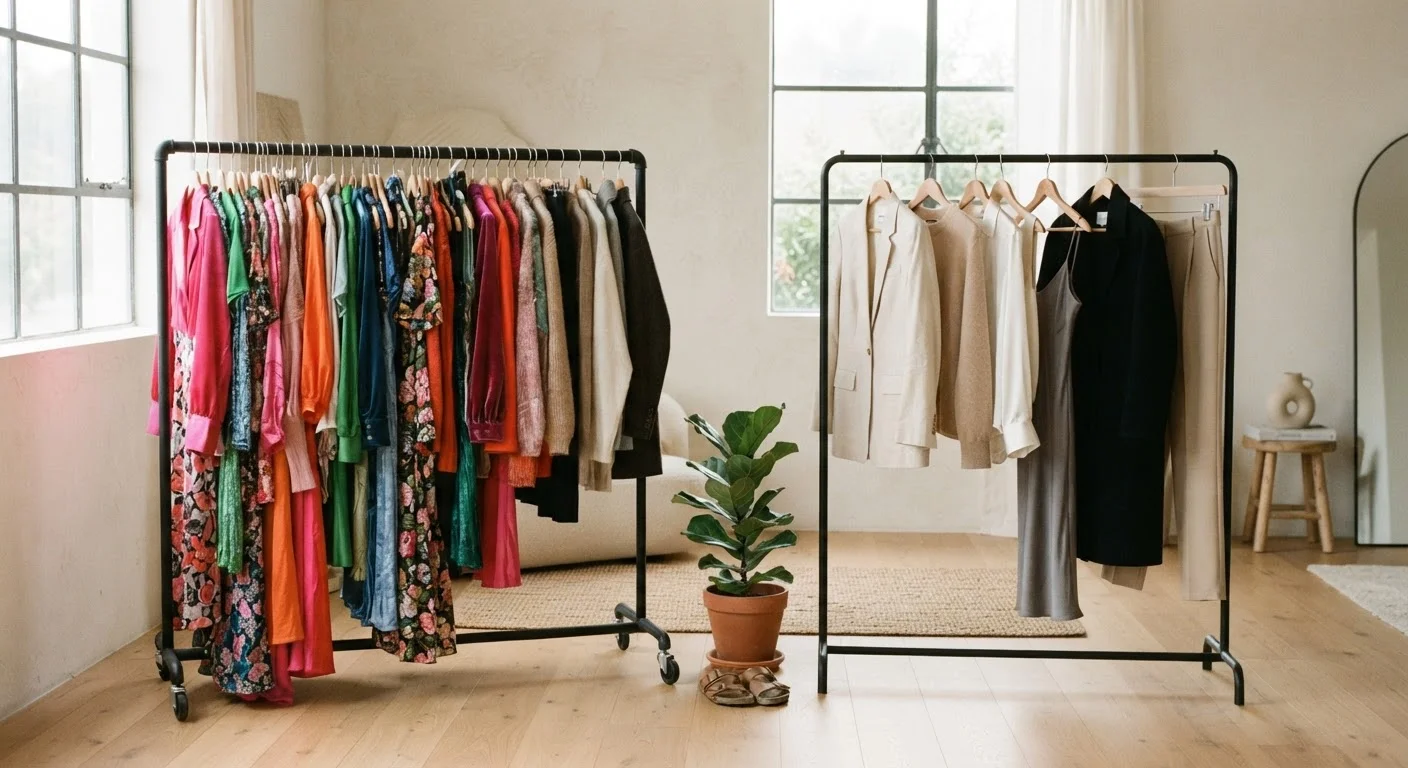
Photo credit: Infolagoon.com | Blogs To Rely On
In this article
These terms get thrown around constantly, but the reality is more nuanced than the debate suggests. Here's an honest breakdown of both models.
Key Takeaways
- Fast fashion refers to high-volume, trend-driven clothing produced and sold at low prices and fast turnover.
- Slow fashion emphasizes intentional purchasing, durability, and reduced consumption — not necessarily higher spending.
- Neither model is a perfect solution; most Americans realistically navigate somewhere between the two.
- How you care for clothes matters as much as where you buy them when it comes to long-term value.
- Budget and access are real factors — slow fashion is not universally affordable or available.
What Fast Fashion Actually Means
Fast fashion is a production and retail model built on speed and volume. The core idea: identify emerging trends, manufacture garments quickly and cheaply, get them into stores (or online carts) while the trend is still hot, and keep prices low enough to encourage frequent purchasing. Collections that once refreshed seasonally — four times a year — shifted in many cases to weekly or even daily drops.
The result is clothing that's accessible and often genuinely stylish, but typically made with cost-cutting at every stage: less durable fabrics, simpler construction, and shorter expected lifespans. That doesn't mean every affordable garment falls apart immediately — plenty holds up fine with reasonable care — but the model isn't designed around longevity.
It's also worth noting that "fast fashion" is now used loosely to describe almost any affordable mass-market retailer, which muddies the conversation. Price alone doesn't define the model; the production philosophy does. Understanding what fabrics are actually in your clothes can help you evaluate quality regardless of where something was purchased.
| Criterion | Fast Fashion | Slow Fashion |
|---|---|---|
| Production speed | Weeks from trend to shelf | Longer lead times, less reactive |
| Price point | Generally low | Varies widely; often higher |
| Expected garment lifespan | Shorter; designed for turnover | Longer; designed for durability |
| Trend responsiveness | Very high | Lower; favors classic or timeless |
| Accessibility | Widely available in most markets | More limited; often online or specialty |
| Environmental footprint | Generally higher per unit produced | Generally lower, but varies by brand |
| Ideal use case | Trend pieces, budget basics | Core wardrobe staples, long-term wear |
What Slow Fashion Actually Means
Slow fashion is less a specific retail category and more a mindset shift. The phrase, often credited to sustainable design consultant Kate Fletcher in the mid-2000s, was coined as a deliberate counterpoint to the fast fashion model — borrowing from the slow food movement's emphasis on quality, origin, and intentionality over convenience and speed.
In practice, slow fashion tends to mean: buying fewer items, choosing pieces designed to last, paying attention to how and where things were made, and caring for what you own so it stays wearable longer. It doesn't automatically mean buying expensive clothing — secondhand shopping, clothing swaps, and learning basic garment care all fit within the slow fashion philosophy without requiring a large budget.
That said, it's honest to acknowledge that many brands marketing themselves as "slow fashion" or "sustainable" carry premium price tags, and those options aren't accessible to everyone. The slow fashion ideal and the slow fashion marketplace are two different things. Concepts like the capsule wardrobe align closely with slow fashion thinking and are worth exploring if you're curious about a more intentional approach.
"Sustainable" Labeling Isn't Standardized
In the US, there's no single regulatory standard governing what a brand can call "sustainable," "ethical," or "eco-friendly" on clothing. These terms are largely self-applied and can mean very different things across companies. If transparency matters to you, looking for specific certifications (like GOTS for organic textiles or Fair Trade for labor practices) tends to be more informative than marketing language alone. As with any purchasing decision, a little skepticism goes a long way.
Where the Real Trade-Offs Live
The fast vs. slow fashion debate can feel moralistic in ways that aren't always useful. Most Americans don't sit cleanly in either camp — they shop at a mix of price points, inherit clothing, buy secondhand, and make decisions based on what's actually available and affordable in their lives. That's not a failure of values; it's reality.
The more practical question is: where does your clothing dollar actually go the furthest? A few things worth considering:
- Cost-per-wear matters more than sticker price. A $15 top worn twice costs more per wear than a $60 shirt worn 80 times. Neither number guarantees quality, but it shifts how you evaluate the purchase.
- How you care for clothes changes everything. A fast fashion piece maintained well can outlast a supposedly durable one that's washed carelessly. Our guide on caring for clothes so they last covers the habits that make the biggest difference.
- Fit affects longevity perception. Clothes that fit well get worn more. Understanding fit, size, and cut helps you make better choices in either model.
Building a wardrobe that works — at whatever budget — also means thinking about how pieces mix together. Balancing neutral staples with statement pieces is one of the more underrated skills in practical dressing.
~10%
Global carbon emissions attributed to apparel and footwear
The United Nations Environment Programme has cited the fashion industry as a significant contributor to global greenhouse gas emissions, though exact figures vary by methodology.
3x
Increase in garments produced globally since 2000
The Ellen MacArthur Foundation has reported a roughly threefold increase in global clothing production over the first two decades of the 2000s, alongside a decline in garments' average use before disposal.

Author
Style & Beauty Editorial Team
Style & Beauty Editorial Team is the collective byline for our editorial team and contributor network. Articles published under this byline or an editorial pen name are researched, written, and reviewed according to our editorial standards for clarity, consistency, and independence before publication.
View all articles →