
The Difference Between Fit, Size, and Cut — and Why All Three Matter
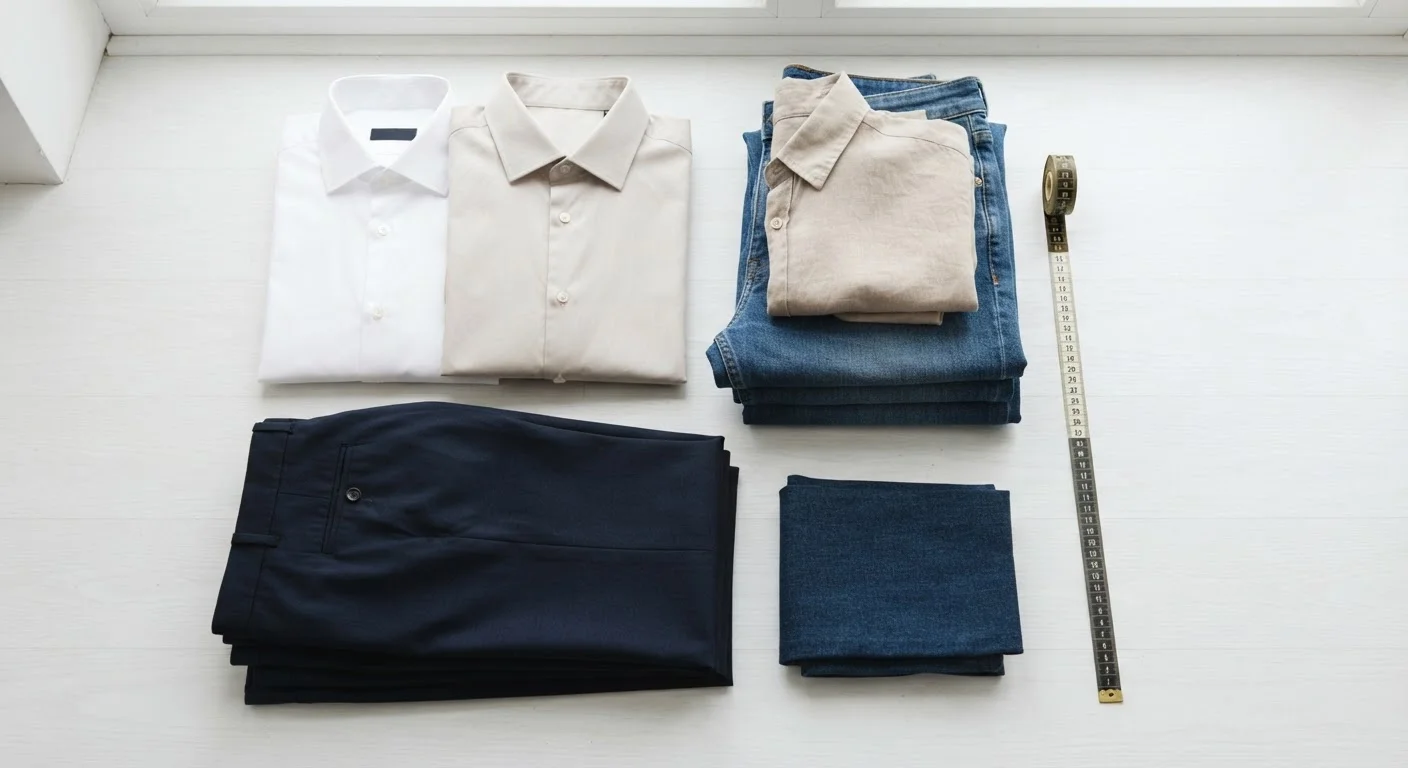
Photo credit: Infolagoon.com | Blogs To Rely On
Fit, size, and cut are often used interchangeably but mean different things. Understanding the distinctions makes shopping and dressing noticeably easier.
Three Words, Three Distinct Meanings
Walk into any clothing store — or scroll through any retailer's site — and you'll see the words fit, size, and cut used almost interchangeably. They're not the same thing. Mixing them up is one of the most common reasons people leave a fitting room frustrated, or get a package delivered only to find it doesn't work at all.
| What 'size' defines | A standardized label to approximate garment dimensions |
| What 'cut' defines | The structural silhouette and construction of the garment |
| What 'fit' defines | How a specific garment interacts with a specific body |
| Which can be altered post-purchase | Fit (via tailoring); cut and size cannot be meaningfully changed after purchase |
| Size consistency across brands | Not standardized — sizing varies widely between manufacturers |
| Most common source of wardrobe frustration | Confusing a size or cut problem for a fit problem (or vice versa) |
Once you understand what each term actually refers to, shopping gets a lot less hit-or-miss. Here's a clear breakdown of all three.
Size: The Starting Number
Size is a label — a numerical or alphabetical measurement used to categorize garments so you can find a reasonable starting point. A size 10 dress or a size 34 waist jean is a shorthand, not a guarantee. Sizes vary significantly between brands, between countries, and even between different lines within the same brand. Size is where you begin, not where you finish.
Cut: The Blueprint of the Garment
Cut refers to how a garment is constructed — the pattern, seam placement, and overall silhouette built into the fabric before you ever put it on. A pair of pants cut with a wide leg will drape completely differently from one cut with a straight or tapered leg, even if both are the same size. Cut is determined by the designer and reflects the intended shape of the finished piece.
Fit: What Actually Happens on Your Body
Fit is the relationship between the garment's cut and your specific proportions. It's the live result of how a particular size and cut interact with your shoulders, waist, hips, or torso. Two people wearing the same size in the same cut can experience completely different fits. Fit is where the real decision happens — and it's the one variable that tailoring can adjust.
Why Getting All Three Right Actually Matters
Plenty of people find a size that works and stop there. But when a garment feels off — too boxy, too tight across the shoulders, pulling at the hips — understanding which of these three factors is the real issue helps you solve it efficiently. Is it a size problem? Try a different number. Is it a cut problem? Look for a different silhouette. Is it a fit problem on a garment you love? Consider a tailor.
Size
A standardized label (number, letter, or measurement) assigned to a garment to indicate approximate dimensions. Sizes are not universal and vary considerably between brands and regions.
Cut
The way a garment is patterned and sewn — its structural silhouette. Cut determines the intended shape of the piece regardless of who is wearing it.
Fit
The relationship between a garment's cut and the wearer's body proportions. Fit describes how clothing actually sits, drapes, and moves on a specific person.
Silhouette
The overall outline or shape created by a garment when worn. Silhouette is a product of cut and is one of the most visible elements of any outfit.
Tailoring
Alterations made to a finished garment by a skilled professional to improve fit for a specific wearer. Tailoring adjusts fit but cannot fundamentally change cut.
Ease
The intentional extra room built into a garment beyond the body's measurements, allowing for movement. Ease is part of cut and varies by garment type and intended fit style.
For a deeper look at why the same size can feel entirely different depending on the garment's structure, see our piece on why clothes stop fitting even when your weight hasn't changed. And if you've ever wondered how proportion fits into all of this, proportion in outfit building breaks down why some combinations just work visually.
A Practical Way to Think About It
Think of size as the ticket that gets you in the door. Cut is the room you walk into — its shape and architecture are fixed. Fit is whether you're comfortable once you're inside. All three need to align for a garment to feel genuinely good. Most wardrobe frustrations trace back to treating one of these as a stand-in for the others.
The body-shape rules many people grew up with often conflate cut and fit without distinguishing them clearly. Our related piece on what the body-shape rules get wrong examines those oversimplifications and offers a more flexible framework.
A Note on Vanity Sizing
Size labels have shifted over decades as brands have adjusted numbers to flatter shoppers — a practice often called vanity sizing. This means a size 8 today may correspond to different measurements than a size 8 from twenty years ago. Taking your actual body measurements and comparing them to a brand's specific size chart — rather than relying on a number alone — is the most reliable starting point when shopping.

Author
Style & Beauty Editorial Team
Style & Beauty Editorial Team is the collective byline for our editorial team and contributor network. Articles published under this byline or an editorial pen name are researched, written, and reviewed according to our editorial standards for clarity, consistency, and independence before publication.
View all articles →