
What Skin Type Do You Actually Have?
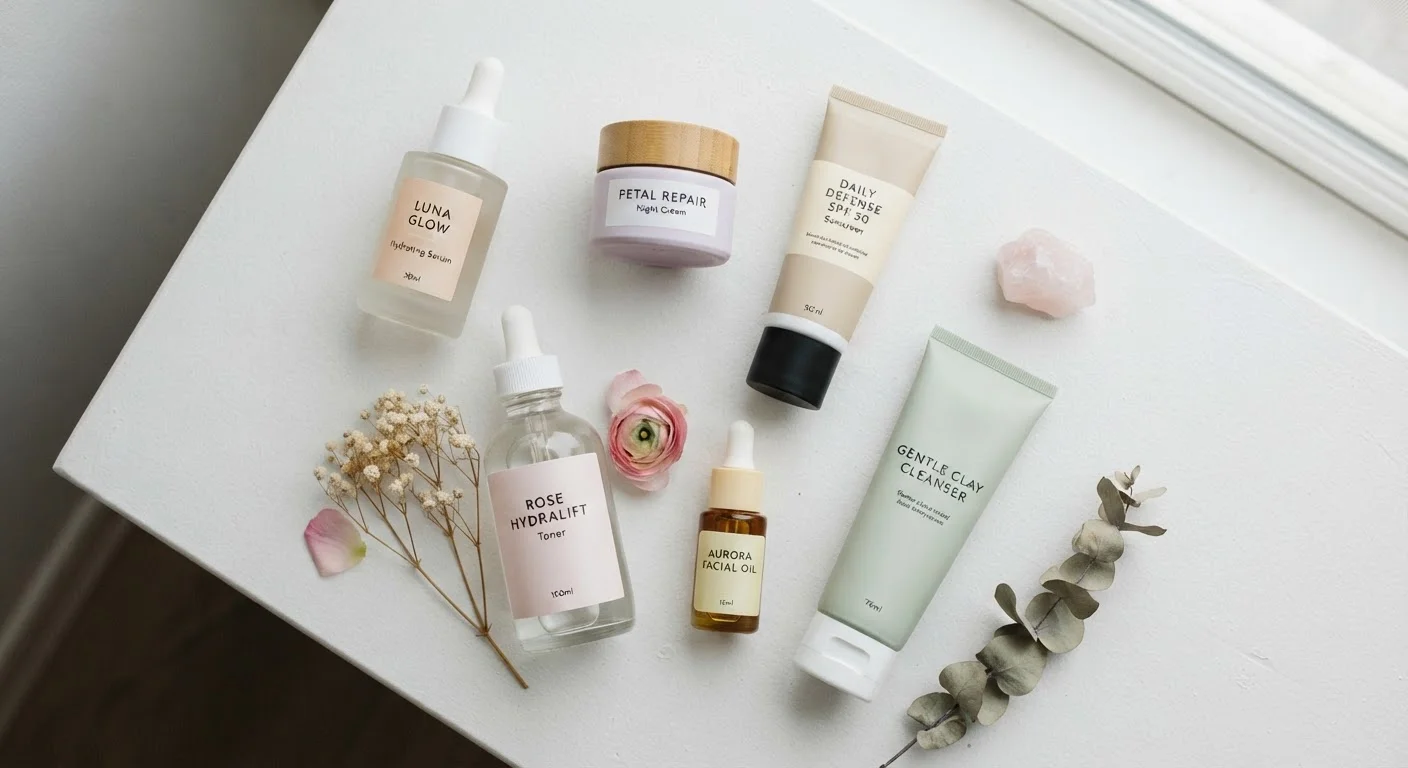
Photo credit: Infolagoon.com | Blogs To Rely On
In this article
Oily, dry, combination, or sensitive—learn how to identify your skin type accurately so you stop buying products that don't work.
Why Getting Your Skin Type Right Actually Matters
If you've ever bought a moisturizer that made you break out, or a cleanser that left your face feeling like parchment, there's a good chance you were working with the wrong skin type assumption. Skin type isn't a beauty buzzword — it's a practical framework that helps you choose products your skin can actually use.
Most people fall into one of four main categories: oily, dry, combination, or sensitive. Some dermatologists also recognize normal skin as its own type. Understanding where you land helps you stop wasting money on products built for someone else's complexion. Once you've nailed your type, you're ready to level up — check out the logic behind skincare layering to make every product actually do its job.
| Main skin types | Oily, Dry, Combination, Sensitive, Normal |
| Best at-home identification method | Bare-face test (observe 1 hour after cleansing) |
| Can skin type change? | Yes — with age, seasons, hormones, and climate |
| Sensitive skin is | A characteristic, not a standalone type — it can overlap with any category |
| Patch test window | Apply to inner arm for 24–48 hours before full use |
How to Identify Your Skin Type: The Bare-Face Test
The most reliable at-home method is the bare-face test. Here's how it works:
- Wash your face with a gentle, unfragranced cleanser.
- Pat dry and use nothing else — no toner, serum, or moisturizer.
- Wait one hour, then observe your skin in natural light.
What you see tells you a lot:
- Shiny all over, enlarged pores, frequent breakouts → likely oily
- Tight feeling, flaking, or rough texture → likely dry
- Oily T-zone (forehead, nose, chin), normal or dry cheeks → likely combination
- Redness, stinging after products, easily reactive → likely sensitive
- Comfortable, balanced, minimal issues → likely normal
Keep in mind that skin type can shift with seasons, hormones, age, and even your local climate. A once-oily complexion in your twenties may lean drier by your forties — that's completely normal.
Sebum
The natural oil produced by sebaceous glands in the skin. It helps moisturize and protect the skin surface, but overproduction can contribute to shine and breakouts.
Non-comedogenic
A term used on product labels to indicate the formula is unlikely to clog pores. It's especially relevant for oily and acne-prone skin types.
Ceramides
Lipid molecules naturally found in the skin that help form its protective barrier, preventing moisture loss and shielding against environmental irritants.
Patch test
A method of testing a new product on a small area of skin — typically the inner arm — for 24–48 hours before applying it to the face, to check for adverse reactions.
Skin barrier
The outermost layer of the skin that acts as a protective shield. A compromised barrier can lead to dryness, sensitivity, and increased reactivity.
What Each Skin Type Needs (and Doesn't)
Oily skin tends to overproduce sebum (the skin's natural oil). Lightweight, non-comedogenic (won't clog pores) formulas work well. Skipping moisturizer entirely can actually make oiliness worse — when skin feels stripped, it compensates by producing more oil.
Dry skin lacks sufficient oil or moisture retention. Richer creams and ingredients like hyaluronic acid or ceramides (lipid molecules that reinforce the skin barrier) help maintain hydration. Harsh or alcohol-heavy products are best avoided.
Combination skin requires a balancing act. You might use a slightly richer product on dry cheek areas and a lighter touch on the T-zone. One-size-fits-all routines often under-serve at least half your face.
Sensitive skin is less a "type" and more a characteristic that can overlap with any of the above. It means your skin reacts easily to fragrances, certain actives, or environmental changes. Patch testing new products (applying a small amount to your inner arm for a few days before full use) is especially helpful here.
Understanding your ingredients matters just as much as knowing your type. See how to decode what's actually in your skincare products — and once you're comfortable with labels, learn about common ingredient combinations to avoid so nothing in your routine cancels itself out.
Skin Type vs. Skin Condition
Skin type refers to your baseline — how your skin naturally behaves when nothing is disrupting it. Skin conditions (like acne, rosacea, or hyperpigmentation) are separate concerns that can occur across any skin type. If you're dealing with a persistent skin condition, it's worth consulting a licensed dermatologist rather than relying solely on over-the-counter product choices.

Author
Style & Beauty Editorial Team
Style & Beauty Editorial Team is the collective byline for our editorial team and contributor network. Articles published under this byline or an editorial pen name are researched, written, and reviewed according to our editorial standards for clarity, consistency, and independence before publication.
View all articles →