
Roof Maintenance Myths That Could Cost You
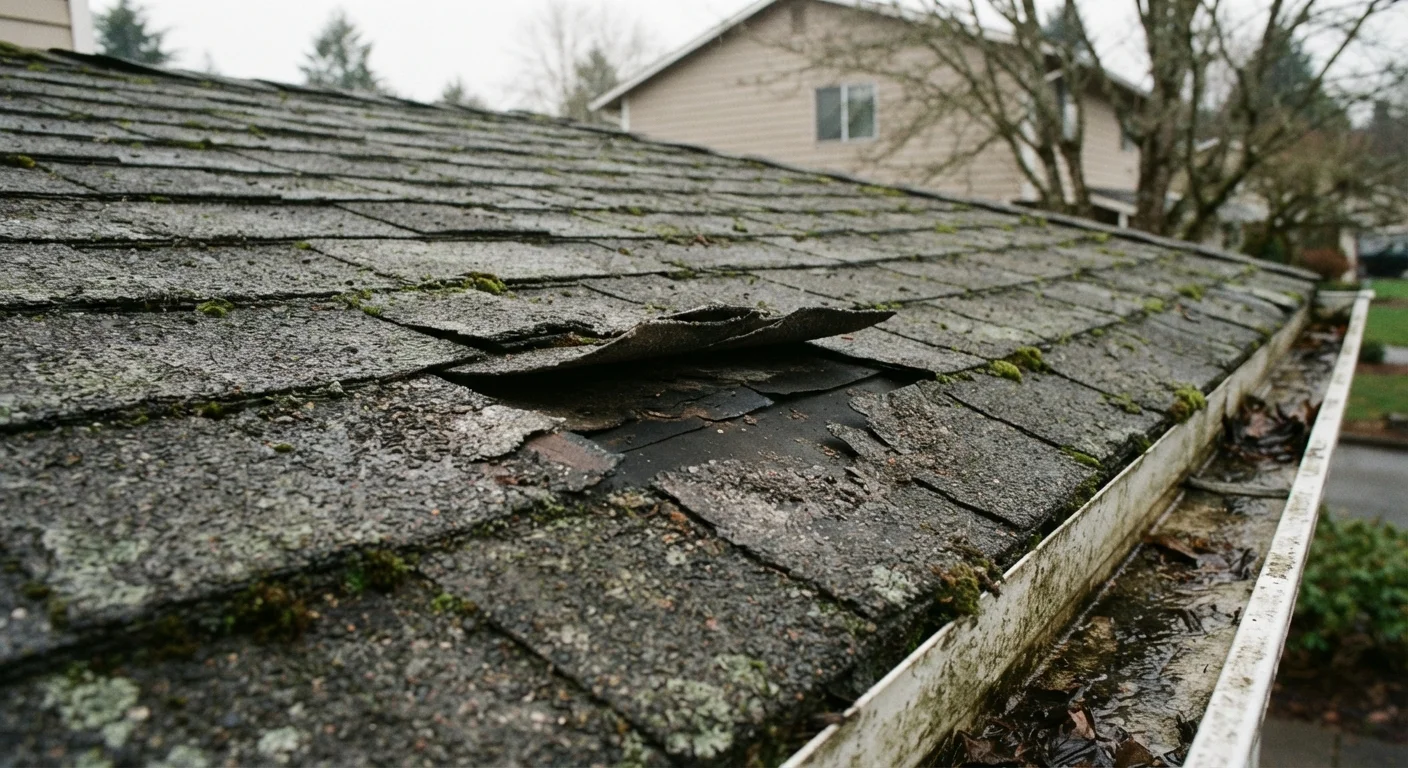
Photo credit: Infolagoon.com | Blogs To Rely On
In this article
From "new roofs don't need inspections" to "moss is just cosmetic" — common roofing misconceptions and what the evidence actually shows.
Key Takeaways
- New roofs still need regular inspections — manufacturer defects and installation errors can appear early.
- Moss and algae are not cosmetic; they trap moisture and accelerate shingle deterioration over time.
- A roof that isn't visibly leaking can still have significant hidden damage worth addressing now.
- Walking on your roof to inspect it can cause damage — binoculars or a professional are safer options.
- Attic ventilation problems are a leading cause of premature roof failure that most homeowners overlook.
Why Roofing Myths Are Particularly Costly
Of all the systems in a home, the roof is one of the most expensive to replace — and one of the most misunderstood. Persistent myths about how roofs age, when they need attention, and what warning signs actually mean lead homeowners to delay maintenance until minor issues become serious structural problems. As we cover in our guide to deferred maintenance costs, skipping routine upkeep rarely saves money — it almost always compounds it.
The myths below are among the most common reasons homeowners spend far more than they should. Understanding what the evidence actually shows is the first step toward protecting your investment.
Myth
A new roof doesn't need inspections for at least 10 years.
Fact
New roofs can develop problems within the first few years due to installation errors, manufacturer defects, or storm damage.
It's understandable to assume a brand-new roof buys you a decade of worry-free ownership. In practice, installation mistakes — improper flashing, inadequate fastening, or poor sealing around penetrations — can allow water intrusion within months. Catching these early, while the work may still be under a contractor's warranty, is far less expensive than discovering them after water has reached your attic or walls.
Myth
Moss and algae on shingles are just cosmetic problems.
Fact
Moss and algae trap moisture against shingles, gradually breaking down their structure and shortening the roof's lifespan.
Moss in particular is destructive: its root-like structures (called rhizoids) work under shingle edges and lift them, allowing water to penetrate beneath. Algae — typically appearing as dark streaks — creates a damp environment that accelerates granule loss. Left untreated, both significantly reduce the effective life of an asphalt shingle roof. Treatment options exist, but prevention through zinc or copper strips along the ridge is often more practical in moss-prone climates.
Myth
If the roof isn't leaking, there's nothing to worry about.
Fact
Many forms of roof damage — deteriorated flashing, cracked sealant, lifted shingles — allow water intrusion before any interior leak is visible.
A visible ceiling stain is often a late-stage symptom. Water can travel along rafters and sheathing well away from its entry point before appearing inside your home. By the time you see it, structural wood may already be compromised. Regular visual inspection catches the earlier, cheaper warning signs: missing granules, curling shingle edges, cracked caulk around vents and chimneys, and rust on flashing.
Myth
You can safely walk your roof to inspect it yourself.
Fact
Walking on a roof without proper training and equipment is a fall hazard, and foot traffic can crack aging shingles or dislodge granules.
Falls from roofs are a leading cause of serious home-related injuries. Beyond the personal risk, walking on certain roof types — particularly older asphalt, tile, or slate — can cause direct damage. Most routine visual assessments can be done safely from the ground with binoculars. If a closer look is needed, hire a licensed roofing professional who has the safety equipment and experience to do it without causing additional harm.
Myth
All roofing materials last the same amount of time.
Fact
Roofing material lifespan varies enormously — from roughly 15–20 years for standard three-tab asphalt shingles to 50 or more years for metal or slate.
Maintenance expectations, inspection frequency, and replacement budgeting should all be calibrated to the material on your roof. A homeowner with a 20-year-old three-tab asphalt roof should be planning differently than one with a 20-year-old standing-seam metal roof. Climate also plays a significant role: UV exposure, freeze-thaw cycles, and high winds all affect how quickly any material ages in practice versus its rated lifespan.
Myth
Roof problems only need attention after major storms.
Fact
Gradual wear, thermal cycling, and biological growth cause more cumulative damage than most individual storm events.
Storm damage is visible and immediate, so it gets attention. But the slow degradation from years of heat, UV exposure, and moisture cycling is far more common — and because it happens gradually, it's easy to defer. Seasonal inspections and minor repairs (resealing flashing, replacing a handful of damaged shingles) keep this cumulative wear in check. Waiting for a dramatic event often means waiting until the damage is already extensive.
The Role of Attic and Gutter Health in Roof Longevity
Your roof doesn't function in isolation. Two of the most overlooked contributors to premature roof failure are attic conditions and gutter performance — both of which operate out of sight and out of mind for most homeowners.
Poor attic ventilation traps heat and moisture against the underside of your roof deck. Over time, this causes sheathing to rot, insulation to degrade, and shingles to curl or blister from the inside out — damage that's invisible until it's advanced. Our article on attic ventilation and insulation explains how these systems work together and what proper conditions look like.
Similarly, blocked or damaged gutters allow water to pool along the roof's edge, saturating fascia boards and creating ideal conditions for rot and ice dams. See our overview of gutter function and neglect to understand how much damage a clogged downspout can quietly cause.
Ice Dams Are a Symptom, Not Just a Weather Event
Ice dams form when heat escaping through a poorly insulated or ventilated attic melts snow on the roof, which then refreezes at the cold eaves. The resulting ice buildup can force water under shingles and into your home. If ice dams are a recurring problem, the root cause is almost always an attic condition issue — not simply a cold winter. Addressing ventilation and insulation is the durable fix.
Keeping these adjacent systems in good shape extends the life of your roof significantly — often more than any single roofing product or treatment.
What Smart Homeowners Do Instead
Replacing myths with accurate information leads to a simpler, more manageable maintenance routine. Most roofing professionals recommend a visual inspection from the ground — using binoculars if needed — at least twice a year, typically in spring and fall. After any significant storm, a quick check for missing or displaced shingles is also worthwhile.
When anything looks questionable, a licensed roofing contractor can perform a professional inspection safely and document findings. This matters especially for insurance purposes: many homeowners discover coverage gaps only after a claim, sometimes because delayed maintenance voided their protection. Similarly, the Home Improvement hub offers practical guidance on prioritizing repairs and understanding when a project requires a licensed professional.
The goal isn't to spend more on your roof — it's to spend thoughtfully, before small issues force your hand.
This article is for general informational purposes only. Roofing conditions, local building codes, and permit requirements vary by region. Always consult a licensed roofing contractor for assessment and repair guidance specific to your home.

Author
Home & Living Editorial Team
Home & Living Editorial Team is the collective byline for our editorial team and contributor network. Articles published under this byline or an editorial pen name are researched, written, and reviewed according to our editorial standards for clarity, consistency, and independence before publication.
View all articles →