
Small Bathroom, Real Upgrades: Practical Changes That Make a Difference
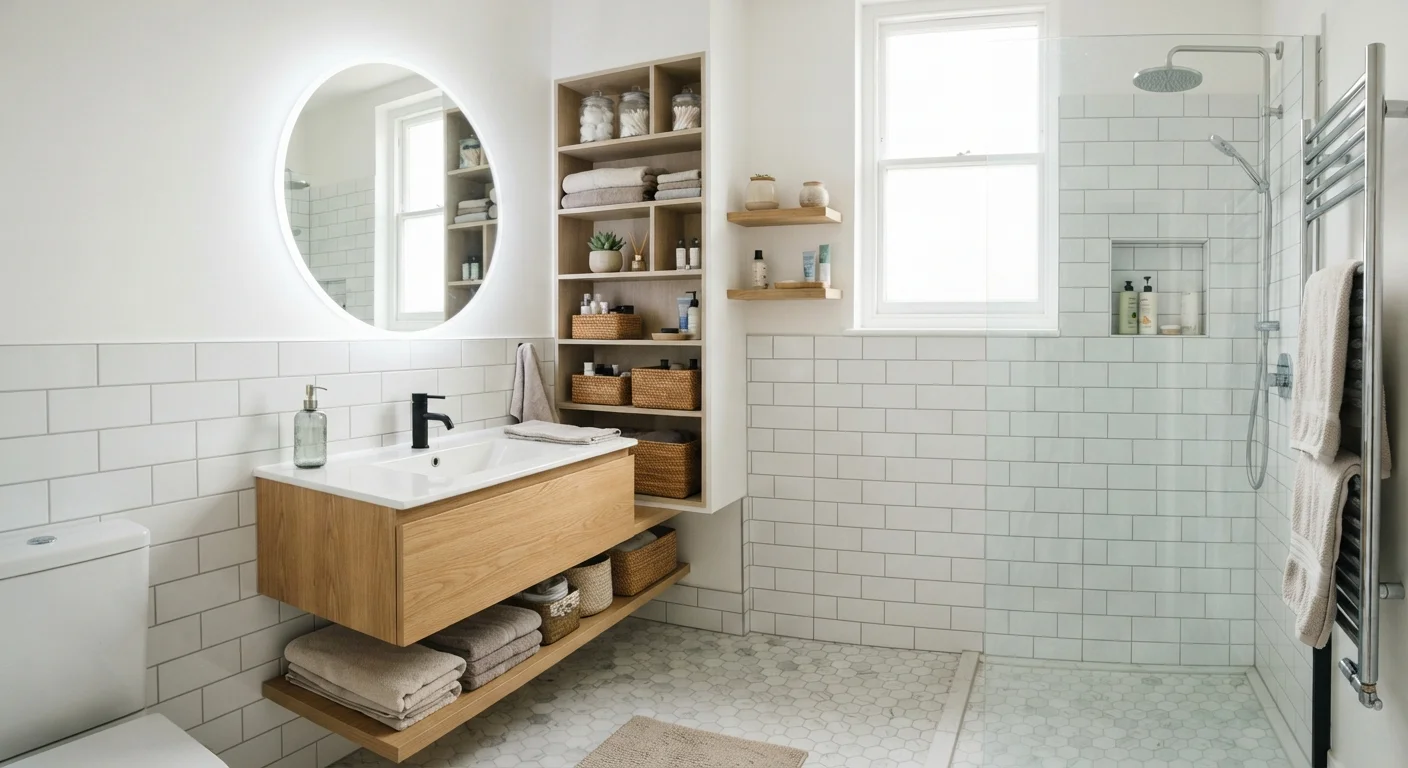
Photo credit: Infolagoon.com | Blogs To Rely On
In this article
Limited square footage doesn't limit your options. Explore practical, skill-level-varied improvements that change how a small bathroom looks and functions.
Key Takeaways
- Small bathrooms benefit most from changes that address both appearance and storage simultaneously.
- Many high-impact upgrades — lighting, hardware, mirrors — require no plumbing or permits.
- Vertical space is consistently underused in small bathrooms and easy to reclaim.
- Even one well-chosen upgrade can meaningfully improve how a bathroom feels daily.
- Knowing when to DIY versus hire a professional protects both safety and budget.
Why small bathrooms deserve real attention
A small bathroom sees daily use from everyone in the household, yet it's often the last room to get attention during a renovation. That's a mistake — even modest improvements here pay outsized dividends in comfort and livability. The good news is that a limited footprint actually simplifies the project: less surface area means smaller material quantities, shorter project timelines, and lower overall costs.
The upgrades below are organized roughly by complexity, from straightforward cosmetic changes to projects that involve plumbing or structural work. Most can be approached independently, but a few will benefit from — or require — a licensed professional. If you're newer to home improvement projects in general, our foundation guide for new homeowners is worth reading before you start.
Start with what bothers you most
Before planning a full bathroom refresh, spend a week noticing what genuinely frustrates you: Is it the clutter? The dim light? The dated fixtures? Targeting your biggest daily irritant first gives you a clear starting point and delivers the most immediate satisfaction. Improvement doesn't require doing everything at once.
Seven upgrades that actually change things
Swap the vanity light fixture
Outdated builder-grade light bars are among the biggest contributors to a bathroom feeling dim and dated. Replacing a vanity light fixture is one of the most cost-effective upgrades available — and it's well within reach for a homeowner comfortable turning off a circuit breaker and working with basic wiring connections.
Side-mounted sconces at face height reduce the harsh shadows that overhead-only fixtures create, making the space feel more polished and functional. If you're not comfortable with electrical work, this is a straightforward job for a licensed electrician that typically takes under an hour. Always shut off power at the breaker before starting and verify with a non-contact voltage tester.
Replacing a vanity light can transform a bathroom's atmosphere without touching a single tile.
Install a larger or frameless mirror
A mirror that spans most of the vanity wall — rather than a small, framed square — visually doubles the perceived size of a small bathroom. Frameless mirrors or those with slim profiles are particularly effective because they don't interrupt the visual flow of the wall.
Most mirrors hang from basic wall anchors or a cleat system. For heavier mirrors, locate studs with a stud finder and use appropriate fasteners. The effort involved is minimal compared to the visual payoff, making this one of the highest-return weekend projects available.
A wall-spanning mirror creates the illusion of a bathroom twice its actual size.
Go vertical with storage
In a small bathroom, floor space is precious — wall space rarely is. Tall, narrow shelving units, over-toilet etageres, and wall-mounted cabinets can hold an enormous amount without adding to the footprint. Recessed medicine cabinets built into the wall cavity offer storage without projecting into the room at all.
Think in layers: the space above the toilet, the wall beside the vanity, and the area above the door are all underutilized in most homes. For a deeper look at how vertical organization compares to horizontal approaches, see our guide to vertical vs. horizontal storage.
Every unused wall surface is potential storage waiting to be claimed.
Replace faucets and hardware
Mismatched or corroded fixtures pull down the overall look of a bathroom faster than almost anything else. Swapping faucets, towel bars, toilet paper holders, and cabinet pulls to a consistent finish — brushed nickel, matte black, or polished chrome — creates visual cohesion that makes a small space feel intentional rather than improvised.
Faucet replacement is a manageable DIY task with basic plumbing knowledge: shut off supply valves under the sink, disconnect the drain linkage, and follow manufacturer instructions. If you encounter corroded supply lines or shutoff valves that won't close fully, stop and call a plumber rather than improvising.
Consistent hardware finishes are the fastest way to make a bathroom feel designed, not default.
Regrout or recaulk tile surfaces
Grout and caulk discolor and crack over time, and dingy grout lines make even clean tile look neglected. Regrouting between tiles and recaulking where the tub or shower meets the wall are both beginner-friendly tasks that require inexpensive tools and produce a dramatic visual improvement.
Use a grout saw or oscillating tool to remove old grout, apply new grout with a rubber float, wipe clean, and seal once cured. For caulk joints at tub and wall transitions, removing old material with a utility knife and applying a fresh bead of mildew-resistant silicone caulk can be done in an afternoon. These aren't glamorous tasks, but they do serious work.
Fresh grout lines can make a ten-year-old tile job look nearly new again.
Add a floating or wall-mounted vanity
Replacing a floor-mounted vanity with a wall-hung version exposes several inches of floor, which makes the room feel noticeably larger. This is a more involved project that typically requires anchoring into studs or using a wall-mounting system rated for the cabinet weight, and may require adjusting drain and supply connections.
If plumbing modifications are needed, most local codes require that work to be done by or inspected by a licensed plumber. Always check permit requirements with your local building department before starting — unpermitted plumbing work can create complications when selling a home. For homeowners new to this type of project, our home improvement primer for new homeowners covers when to DIY and when to bring in a pro.
Exposing floor space under a vanity can make a small bathroom feel instantly more open.
Introduce a cohesive color or material update
Paint is the lowest-barrier, highest-impact surface change available. In a small bathroom, a single consistent color — including on the ceiling — can make the room feel intentionally designed rather than unfinished. Moisture-resistant, semi-gloss or satin paints are appropriate for bathrooms and hold up well over time.
If you're ready to go further, peel-and-stick tile panels for an accent wall or a new shower curtain with a bold pattern can shift the feel of the entire room without construction. Keep the palette simple: one primary color and one or two accent tones prevent a small space from feeling chaotic.
Painting the ceiling the same color as the walls removes visual boundaries that make a room feel smaller.
Permits and professional trades
Electrical, plumbing, and structural changes in bathrooms often require permits and licensed contractors depending on your local building code. Requirements vary significantly by municipality. Before starting any project beyond cosmetic changes, check with your local building department. Unpermitted work can affect insurance claims, home sales, and — more importantly — safety.
Putting it together: sequencing your upgrades
If you're planning multiple improvements, sequence matters. Cosmetic work — paint, hardware, mirrors — should happen after any plumbing or electrical changes, not before. Tile work comes before vanity installation. Getting the order right prevents redoing finished surfaces because a trade needed access.
You don't need to tackle everything at once. Addressing one upgrade per season is a realistic pace that keeps costs manageable and lets you evaluate each change before adding the next. Small bathrooms are also an excellent sandbox for learning skills — the contained scale limits both the cost of mistakes and the time needed to correct them. The same organizational thinking that applies here translates well to other compact spaces, including the principles covered in our vertical vs. horizontal storage breakdown and our guide to organizing a small kitchen.
A small bathroom doesn't require a full gut renovation to feel meaningfully better. Pick one thing, do it well, and build from there.

Author
Home & Living Editorial Team
Home & Living Editorial Team is the collective byline for our editorial team and contributor network. Articles published under this byline or an editorial pen name are researched, written, and reviewed according to our editorial standards for clarity, consistency, and independence before publication.
View all articles →