
Why Skipping Small Repairs Often Leads to Much Bigger Bills
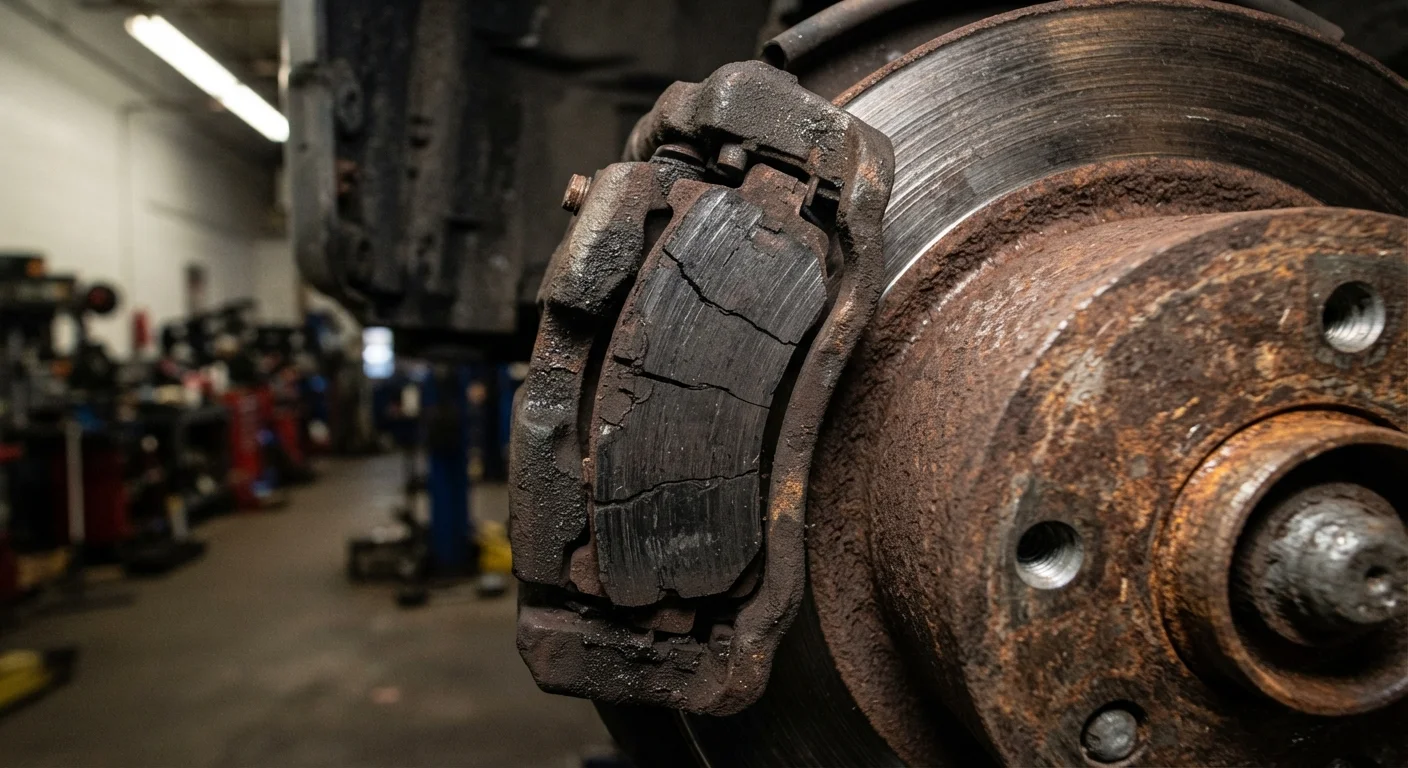
Photo credit: Infolagoon.com | Blogs To Rely On
In this article
Deferred maintenance rarely stays cheap. This article explains the chain reaction that turns minor neglect into major mechanical failure.
Key Takeaways
- Minor car repairs left unaddressed almost always escalate into costlier, more complex problems.
- Many drivers delay repairs due to cost concerns, but deferral typically multiplies the final bill.
- Understanding which small issues carry the most risk helps you prioritize effectively on any budget.
- Catching problems early through routine inspection is almost always cheaper than emergency repair.
How Small Problems Become Big Ones
A single worn component rarely fails in isolation. In a vehicle, systems are interconnected - the cooling system relies on the water pump, which relies on the serpentine belt, which drives multiple accessories. When one link weakens and is ignored, it places stress on neighboring parts. That stress compounds silently until something more expensive breaks.
This chain-reaction pattern is the core reason deferred maintenance is rarely the money-saver it appears to be in the short term. A $15 serpentine belt left to crack and snap can strand you and damage the alternator, power steering pump, and cooling fan simultaneously - turning one simple repair into several. The same logic applies across virtually every major vehicle system.
If you drive a higher-mileage vehicle, the stakes are even higher. See our guide to maintenance priorities after 100,000 miles for a closer look at which systems need extra attention as vehicles age.
Common Mistakes Drivers Make With Small Repairs
Most deferred maintenance isn't carelessness - it comes from reasonable-sounding logic that doesn't hold up over time. Here are the patterns that repeatedly turn minor issues into major bills.
Waiting until a warning light stays on before acting.
Why it happens: Many drivers assume a dashboard warning light is a suggestion rather than a signal. If the car still drives, it feels premature to spend money on it.
Delaying brake service because stopping feels 'mostly fine.'
Why it happens: Brake wear is gradual, and drivers adapt to subtle changes in pedal feel or stopping distance without realizing it.
Ignoring small fluid leaks because the puddle looks minor.
Why it happens: A small oil or coolant spot under the car seems cosmetic and easy to overlook, especially when the vehicle appears to run normally.
Skipping scheduled oil changes to stretch the interval.
Why it happens: Oil changes cost money and time, and it's tempting to push the interval when the car seems fine - especially with extended-life oil marketing.
Putting off tire replacements when tread is low but 'not gone yet.'
Why it happens: New tires are a significant upfront expense, so drivers often delay past the point where tread depth still provides adequate wet-weather grip.
When you're unsure whether a repair is within your skill level or requires a shop, it's worth reading our breakdown of DIY vs. professional repair decisions before acting.
The Financial Reality of Waiting Too Long
$1,200+
Average unexpected car repair bill
According to AAA research, most American drivers are unprepared for an unexpected vehicle repair costing over $1,000, yet such bills are common outcomes of deferred maintenance.
35%
Vehicles with at least one deferred maintenance item
Vehicle inspection data reviewed by the Car Care Council has consistently found that roughly a third of vehicles on the road have at least one maintenance item overdue.
Unexpected repair bills are one of the most common reasons personal budgets unravel. A $200 brake job deferred becomes a $900 rotor-and-caliper replacement; an ignored coolant leak becomes an engine overhaul. These aren't worst-case scenarios - they're predictable outcomes. If large, surprise repair bills are already straining your finances, it may also be worth looking at why budgets often fail and how to build a more resilient one.
Deferred Repairs Can Void Warranty Coverage
If your vehicle is still under a manufacturer or extended warranty, skipping scheduled maintenance can give an insurer or manufacturer grounds to deny a related claim. Always document service intervals and keep receipts - the paper trail matters if a dispute arises over coverage.
The core principle: money spent on prevention and early repair almost always costs less than money spent on failure recovery. Routine inspections - many of which mechanics perform at no charge - catch problems while they're still inexpensive to fix.

Author
Autos & Transport Editorial Team
Autos & Transport Editorial Team is the collective byline for our editorial team and contributor network. Articles published under this byline or an editorial pen name are researched, written, and reviewed according to our editorial standards for clarity, consistency, and independence before publication.
View all articles →