
Fluid Checks Every Driver Should Know How to Do
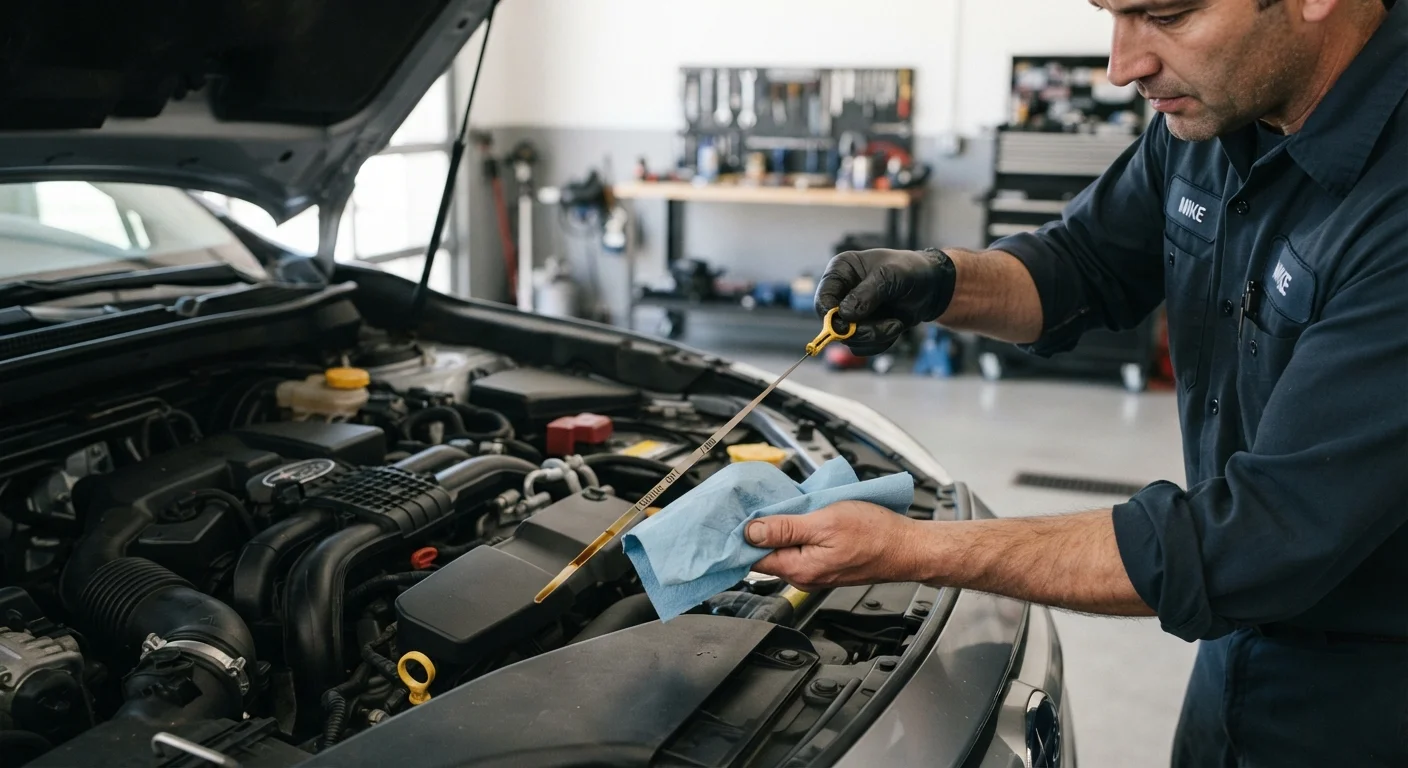
Photo credit: Infolagoon.com | Blogs To Rely On
In this article
Engine oil, coolant, brake fluid, and more—learn which fluids to check, how often, and what warning signs to look for under the hood.
Key Takeaways
- Six core fluids keep your car running safely: engine oil, coolant, brake fluid, power steering fluid, transmission fluid, and windshield washer fluid.
- Most fluid checks require only a clean rag and your owner's manual - no special tools needed.
- Low or contaminated fluid is often an early warning sign of a larger mechanical issue worth investigating.
- Check fluids when the engine is cold to get accurate readings and avoid burns.
- Your owner's manual specifies the correct fluid type and interval for every reservoir in your car.
Why Fluid Checks Matter More Than Most Drivers Realize
Your car relies on six primary fluids to protect its engine, transmission, brakes, and steering. When any one of them runs low or degrades, the components it serves wear faster - and the damage is often expensive to reverse. The good news: checking them takes under 20 minutes, requires no special skills, and can catch problems while they're still minor.
Most dashboard warning lights are reactive, not preventive - they illuminate after a problem has developed. Routine visual checks give you a heads-up before things reach that point. Pair this habit with your tire pressure routine and you've covered the two most overlooked areas of basic car maintenance.
What you will need
What You'll Need
You don't need a mechanic's toolkit to check your fluids. The essentials are minimal:
Owner's Manual
Identifies the correct fluid specifications, reservoir locations, and service intervals for your specific vehicle.
Clean lint-free rag
Used to wipe dipsticks clean before taking accurate fluid level readings.
Flashlight
Helps illuminate reservoir markings and fluid color in darker engine bays.
Nitrile gloves
Protects skin from contact with engine oil, brake fluid, and coolant during checks.
Before you start, make sure you have your owner's manual accessible - either the physical copy from the glove box or a PDF version from the manufacturer's website. It tells you exactly where each reservoir is, which fluid type to use, and what the service interval is for your specific model.
How to Check Each Fluid: Step-by-Step
Work through each fluid in the order below. Starting with the engine off and cold is the safest approach for most checks, with one exception noted in the transmission step.
Park on level ground and let the engine cool
Pull onto a flat surface and turn off the engine. Wait at least 10-15 minutes before opening the hood - longer if the car has been driven hard. Checking fluids in a hot engine can give inaccurate readings and risks burns from pressurized coolant caps or hot metal surfaces.
Check the engine oil level and condition
Locate the oil dipstick - it typically has a brightly colored handle. Pull it out, wipe it clean with your rag, reinsert it fully, then pull it out again. The oil film should sit between the two marks (MIN and MAX). Healthy oil is amber to light brown. Black, gritty, or milky oil signals it's overdue for a change or points to a more serious problem. For guidance on service intervals, see how to read oil change recommendations.
Inspect the coolant (antifreeze) level
The coolant reservoir is a translucent plastic tank near the radiator, marked with MIN and MAX lines. Check the level visually without opening the cap on a cold engine. Coolant should appear bright green, orange, or pink depending on type - never rusty or cloudy. Low coolant can lead to overheating; discolored coolant may signal degradation or a cooling system issue. For a deeper look at related components, see how hoses connect to your cooling system.
Check the brake fluid level
The brake fluid reservoir is a small translucent container on top of the master cylinder, usually located near the back of the engine bay on the driver's side. The level should fall between MIN and MAX. Brake fluid is typically clear to light yellow; dark brown fluid is a sign it's absorbed moisture and should be replaced. A consistently low level can indicate worn brake pads or a leak in the system. Learn more about how this fluid fits into your overall braking setup in our brake maintenance overview.
Check power steering and transmission fluid
Power steering fluid: If your vehicle has hydraulic power steering (not electric), locate the reservoir - often labeled with a steering wheel icon. Check the level using the dipstick or MIN/MAX markings on the side of the reservoir. Low fluid can cause stiff steering or whining noises when turning.
Transmission fluid: Many automatic transmissions have a dipstick similar to the oil dipstick, though some newer vehicles require a dealer or shop check. The fluid should be pink to red and smell slightly sweet. Dark, burnt-smelling fluid indicates it's due for service. Always consult your owner's manual for the correct check procedure, as some transmissions are checked with the engine running and warm.
Top off windshield washer fluid
The washer fluid reservoir is typically a blue-capped plastic tank that's clearly labeled. It's the only fluid you can safely fill yourself without worrying about type compatibility - any commercially available windshield washer solution works. Don't substitute plain water: it freezes in cold weather and doesn't clean as effectively. This is also the quickest fluid check on the list and worth doing at every fill-up.
Build It Into Your Routine
The easiest habit is pairing fluid checks with fuel stops - once a month or every other fill-up takes only a few minutes and keeps you ahead of most problems. If you're prepping for a longer trip, make fluids part of your pre-road-trip checklist alongside tires and lights.
When to Stop Driving and Call a Pro
If your oil pressure warning light, temperature gauge, or brake warning light activates while driving, don't ignore it. Pull over safely and address the issue before continuing. Driving with critically low oil pressure or overheating coolant can cause irreversible engine damage within minutes. See what dashboard warning lights mean to understand which indicators need immediate action.
Fluid Color and Condition Reference
Color is one of the fastest ways to gauge fluid health without lab testing. Here's a quick reference:
| Fluid | Healthy Color | Warning Sign |
|---|---|---|
| Engine oil | Amber to light brown | Black, gritty, or milky |
| Coolant | Bright green, orange, or pink | Rusty, cloudy, or colorless |
| Brake fluid | Clear to pale yellow | Dark brown or opaque |
| Power steering fluid | Clear to light pink | Dark brown, burnt smell |
| Transmission fluid | Pink to red | Dark brown, burnt smell |
Don't Overfill Any Fluid Reservoir
More is not better when it comes to vehicle fluids. Overfilling engine oil can cause foaming and pressure buildup that damages seals. Overfilling coolant or brake fluid can also create system pressure problems. Always add fluid incrementally, re-check, and stop at the MAX line.
If you notice any fluid is significantly off-color or has an unusual smell, consult a qualified mechanic before driving extensively. And if a dashboard light comes on while you're on the road, don't dismiss it - understanding what warning lights mean can help you decide how urgently to respond.
For a full vehicle readiness review before a longer trip, this pre-trip safety checklist covers fluids alongside every other critical item worth verifying.

Author
Autos & Transport Editorial Team
Autos & Transport Editorial Team is the collective byline for our editorial team and contributor network. Articles published under this byline or an editorial pen name are researched, written, and reviewed according to our editorial standards for clarity, consistency, and independence before publication.
View all articles →