
Wardrobe Mistakes That Make Getting Dressed Harder Than It Needs to Be
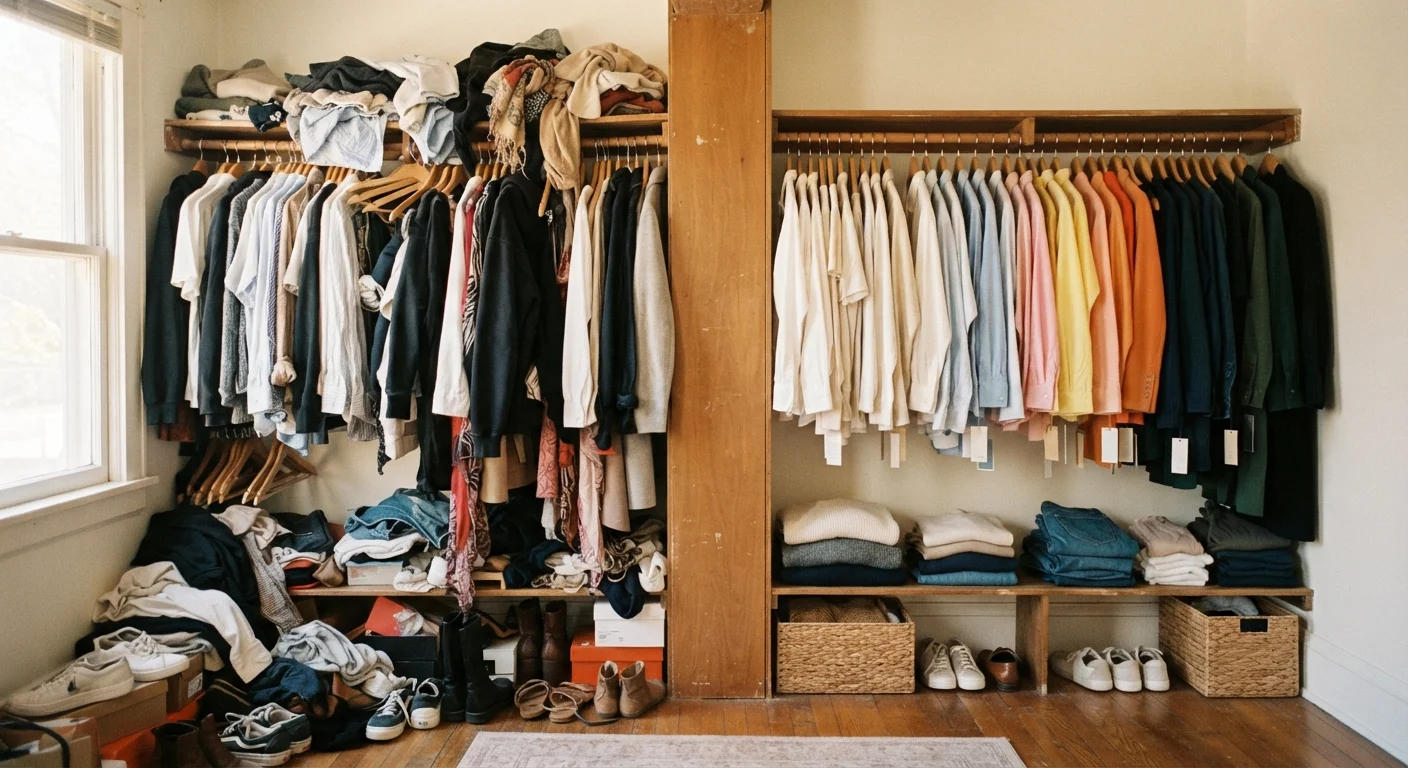
Photo credit: Infolagoon.com | Blogs To Rely On
A cluttered, mismatched closet isn't just about too many clothes. These common wardrobe missteps make daily dressing more frustrating than it should be.
Key Takeaways
- Too many clothes with poor organization creates decision fatigue, not abundance.
- Buying items without a clear use case leads to a closet full of unworn pieces.
- Ignoring fit is the single biggest obstacle to outfits looking intentional and polished.
- A wardrobe built on gaps rather than impulses serves you far better day to day.
- Visibility and accessibility matter as much as what you own.
Why Getting Dressed Feels Harder Than It Should
Most wardrobe frustration isn't caused by a shortage of clothes — it's caused by the wrong clothes in the wrong arrangement, and a handful of habits that quietly compound over time. When getting dressed feels like a chore, the problem is almost always structural rather than stylistic. The good news: structural problems have straightforward fixes.
Whether your closet is overflowing or almost bare, the mistakes below are the most common culprits behind morning friction. Spotting them in your own wardrobe is the first step toward making daily dressing genuinely easy. If you're working from very little, our guide on building a year-round wardrobe from almost nothing is a useful companion read.
Keeping clothes that don't fit your current body.
Why it happens: People hold onto items hoping to fit into them again, or out of guilt over spending money on them. Both impulses are understandable, but they fill closet space with things you can't actually wear today.
Buying pieces with no clear outfit pairing in mind.
Why it happens: Impulse purchases often happen in isolation — the item looks great on a hanger or a model, but there's nothing at home to wear it with. This creates a closet full of individual items that don't combine easily.
Storing out-of-season items mixed with everyday clothes.
Why it happens: Most people don't rotate seasonally because it feels like extra effort upfront. The result is a crowded closet where finding anything takes longer than it should.
Organizing by category instead of by how you actually get dressed.
Why it happens: Grouping all tops together and all bottoms together sounds logical, but it doesn't reflect how outfits are built. It forces you to mentally construct combinations each morning instead of seeing them ready-made.
Keeping aspirational items that don't match your actual lifestyle.
Why it happens: It's easy to buy for an imagined version of your life — the cocktail dresses, the formal blazers, the going-out tops — rather than your day-to-day reality. These items take up prime closet real estate without delivering daily value.
Ignoring the role of condition — worn-out basics drag everything down.
Why it happens: Basics like white tees, black trousers, and everyday denim deteriorate gradually, making it easy not to notice until they're visibly past their prime. Worn-out foundation pieces undermine otherwise solid outfits.
How to Start Fixing These Habits
The goal isn't a perfectly curated wardrobe overnight — it's removing the friction that slows you down each morning. Start with visibility: if you can't see it, you won't wear it. Closet organization strategies that surface forgotten items can have an immediate, practical impact without requiring any new purchases.
From there, shift your focus to fit and function over volume. Each piece in your closet should be something you can actually put on and feel good in — not a placeholder for a future version of yourself or a one-time occasion that never came around. When you're ready to think about building intentional cohesion, the concept of a capsule wardrobe is worth understanding on its own terms, even if it's not the right fit for your lifestyle.
Avoid Editing Your Closet in One Overwhelming Session
Trying to overhaul an entire wardrobe in a single afternoon often leads to decision fatigue and rash choices — keeping things you should donate or tossing things you'll regret losing. Work in focused blocks, category by category, and give yourself time to think clearly. Sustainable wardrobe improvements happen gradually, not all at once.
Finally, don't overlook the finishing touches. Even a well-edited wardrobe can fall flat if accessories are an afterthought. Learning how simplicity in accessorizing reads as confidence can elevate outfits you already own. And if you've ever wondered why some combinations just look right, our piece on what makes an outfit look polished breaks down the visual logic in plain terms.

Author
Style & Beauty Editorial Team
Style & Beauty Editorial Team is the collective byline for our editorial team and contributor network. Articles published under this byline or an editorial pen name are researched, written, and reviewed according to our editorial standards for clarity, consistency, and independence before publication.
View all articles →